
Vandaag of morgen in huis

Kwaliteit gegarandeerd

Welkomstaanbiedingen ontgrendelen: GRATIS bezorging | Tot 80% korting | Gratis 30 dagen JoyPlus-proefperiode
Download de app
Choosing a body cream might seem straightforward, but there are big differences between a rich cream, body lotion and nourishing body cream. A lightweight lotion can be pleasant for everyday use, while a cream for very dry skin contains more oils and moisture-binding ingredients. Fragrance, packaging and size also affect whether a product suits your needs in practice.
Look out for these common pitfalls:
Ingredients such as glycerine, urea, panthenol, oils and butters can be useful for intensive hydration. Glycerine helps the skin retain moisture at its surface. Urea is often used in products for dry, rough skin. However, how well a product works and whether it suits you depend on the overall formula and your skin’s individual response.
According to the product description, NIVEA Repair & Care Urea Body Cream contains glycerine, provitamin B5 and urea. The product information says it helps support the skin barrier and provides hydration for up to 72 hours. This is a claim made by the brand; the description refers to a self-assessment involving 41 volunteers. The title and description give different glycerine percentages, so check the current packaging when you buy.
Body lotion is usually more fluid and suitable for larger areas of the body or everyday use after a shower. A richer body cream is a better fit when your skin feels tight or rough, or when you want to give extra attention to your knees, elbows and lower legs.
Also consider:
For baby care, the age guidance, areas of use and warnings matter more than an appealing claim. Check whether the product is intended for the body, face or both. “Dermatologically tested” describes a test or assessment, but doesn’t guarantee that every skin type will tolerate the product.
Apply a new product to a small area of skin first. Stop using it if redness, itching or irritation occurs. If skin problems persist, it’s better to seek advice from a GP or pharmacist than to keep trying different creams.
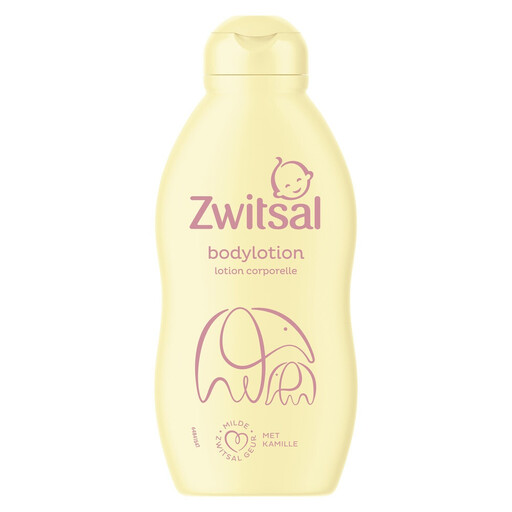
Why it suits this profile: This 200 ml body lotion is affordably priced and suitable for regular use on clean, dry skin. According to the product information, the formula is designed for baby skin and contains no colourants.
The intended use and target audience are clearly stated. Bear in mind that it contains fragrance, and check the ingredients if you want to avoid perfume.
200 ml, baby body lotion with chamomile extract and ingredients of natural origin, according to the product description.
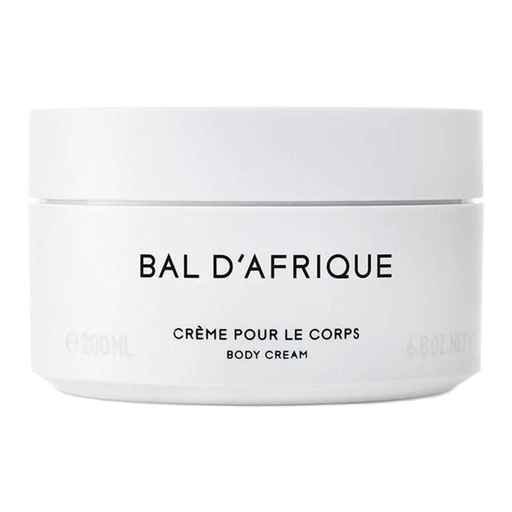
Why it suits this profile: This nourishing body cream combines skincare with a subtle fragrance. It’s a good fit for shoppers who value a prestigious brand and a refined experience.
The ingredients list is available, so you can check for shea butter, glycerine, perfume and fragrance allergens before ordering.
200 ml, formulated with shea butter and designed to hydrate while offering a light fragrance.
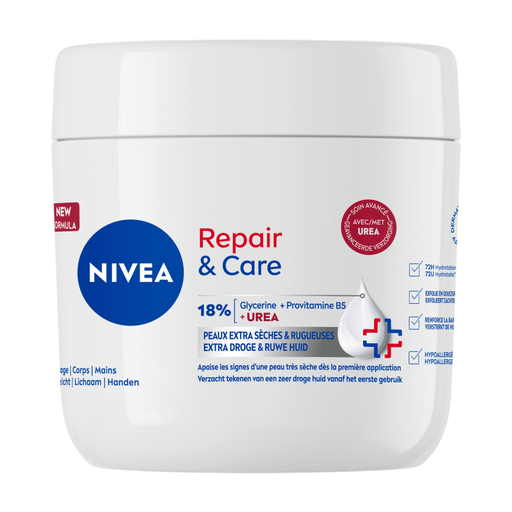
Why it suits this profile: This 400 ml cream is designed for very dry, rough skin. It’s a good choice for adults looking for a richer formula for larger areas of the body as part of their daily routine.
The product description lists the relevant ingredients and explains the basis for the 72-hour claim. Check the current packaging, as the stated glycerine percentages differ.
400 ml, with glycerine, urea and provitamin B5 according to the product information; designed to help reduce moisture loss.
We’ve put together a full, up-to-date list of products that meet these strict selection criteria and current European safety regulations.
Apply the cream after showering to clean, slightly damp skin. Start with a small amount and apply more to dry areas if needed. A rich cream often works well on legs, elbows and knees, while body lotion is more convenient for quick, everyday body care.
Check the use-by date and the PAO symbol on the packaging, such as “12M”. Store the product as directed, close the jar or bottle securely, and don’t use the cream if its scent, colour or texture has clearly changed.
Not necessarily. Compare the price per 100 ml, the amount you need and what you’ll use it for. A concentrated cream may go further, but a large bottle of body lotion could work out cheaper for everyday use all over the body. Always check the ingredients too, and make sure you’re happy with the fragrance and texture.
