
Vandaag of morgen in huis

Kwaliteit gegarandeerd

Welkomstaanbiedingen ontgrendelen: GRATIS bezorging | Tot 80% korting | Gratis 30 dagen JoyPlus-proefperiode
Download de app
Buying a body cream seems simple, until you’re faced with a shelf full of tubs, lotions and different fragrances. A rich cream can feel too greasy, a lightweight product may not be comforting enough for dry skin, and a pleasant fragrance may contain ingredients that aren’t suitable for sensitive skin.
As Joybuy Product Recommendation Officer, I filter product information for practical details: ingredients, areas of use, texture, size and warnings. This helps you compare body creams based on verifiable features rather than eye-catching marketing claims.
Claims such as “48-hour hydration”, “smoother skin” or “reduces pigmentation spots” sound clear-cut, but the evidence varies from product to product. For example, NIVEA states that some products are based on self-assessments or studies involving volunteers. This is information provided by the brand, not a guarantee that everyone will experience the same results.
So, take a look at the formula too. Glycerine, oils, butters, panthenol, urea and hyaluronic acid can give you an idea of a product’s moisturising properties. An ingredient’s position in the ingredients list can also indicate how much of it is in the product, although it won’t always tell you the exact concentration.
A perfumed body cream may smell lovely, but fragrance ingredients such as limonene, linalool and citronellol may not suit everyone. That doesn’t mean every fragranced cream will cause problems. If you have sensitive skin, check the full ingredients list and test a small amount on a small area of skin.
A natural body cream isn’t automatically fragrance-free or suitable for everyone either. Natural fragrances can also cause sensitivity.
Body lotion is often thinner and absorbs quickly. That makes it handy after a shower or when you want to get dressed straight away. A rich body cream usually contains more oily ingredients and may feel more comfortable on rough areas such as elbows, knees and hands. The right choice depends on how your skin feels, the season and when you plan to use it.
For normal or slightly dry skin, look for a lightweight formula containing ingredients such as glycerine, jojoba oil or vitamin E. According to the product information, NIVEA Soft contains vitamin E and 100% natural jojoba oil.
If your skin is very dry or rough, a body cream with urea may be worth considering. Urea acts as a moisture-binding ingredient in cosmetic formulas. According to its ingredients list, the NIVEA Repair & Care formula contains urea, glycerine and provitamin B5.
A nourishing body cream often contains shea butter, plant oils or other soothing ingredients. These can leave your skin feeling more nourished, but a rich texture isn’t always comfortable in warm weather or under clothes.
If you want a perfumed body cream, check that the fragrance suits your preferences and feels comfortable on your skin. If your skin is dry or sensitive, an unperfumed option may be more practical, if one is available.
Products containing fruit acids, such as AHAs, need extra care. According to the product information, Sol de Janeiro Bom Dia Bright Body Cream contains fruit acids and vitamin C. The product description says it is designed to give skin a smoother, more even-looking appearance, but also notes that irritation is possible. If you have sensitive skin, do a patch test first and stop using the product if you experience redness, itching or a burning sensation.
Not every body cream is intended for use on your face. A product labelled body cream for face and body makes its intended use clearer. According to the product information, NIVEA Soft is suitable for the face, hands and body.
Always check the packaging if you want to use a cream on your face. A product with a strong fragrance, rich texture or exfoliating ingredients may feel different from a dedicated face cream.
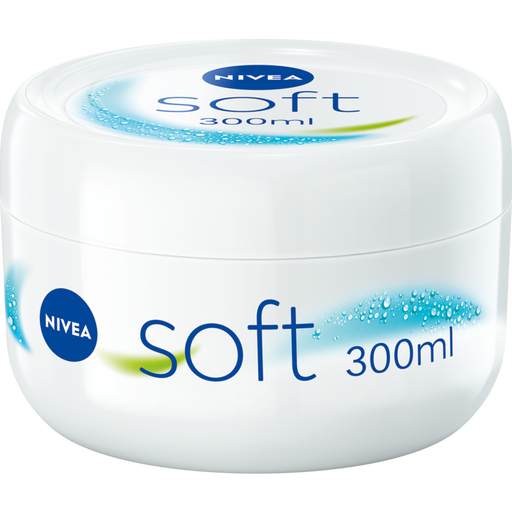
Why it suits this profile: A versatile cream for everyday use on the face and body, with a lightweight texture and a generous size.
The product information describes it as fast-absorbing and non-greasy, so you don’t have to start with a heavy body cream.
300 ml; glycerine, vitamin E and jojoba oil; described as suitable for everyday use on the face and body.
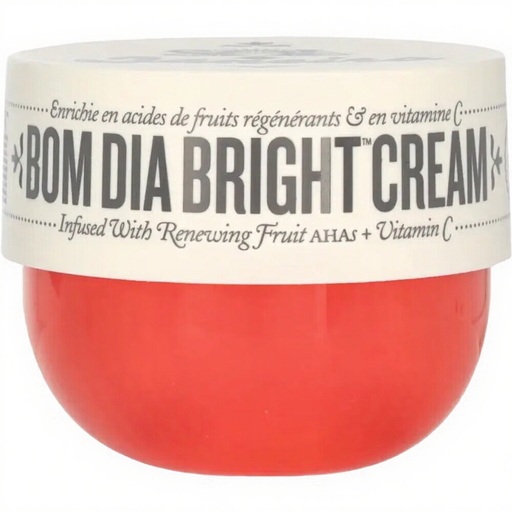
Why it suits this profile: For anyone who wants to combine body care with a fragrant experience and ingredients such as fruit acids and vitamin C.
The product information specifically recommends doing a patch test and notes that irritation may occur. This makes the usage warning clear.
240 ml; contains AHAs and vitamin C according to the product information; fragranced with pistachio and salted caramel.
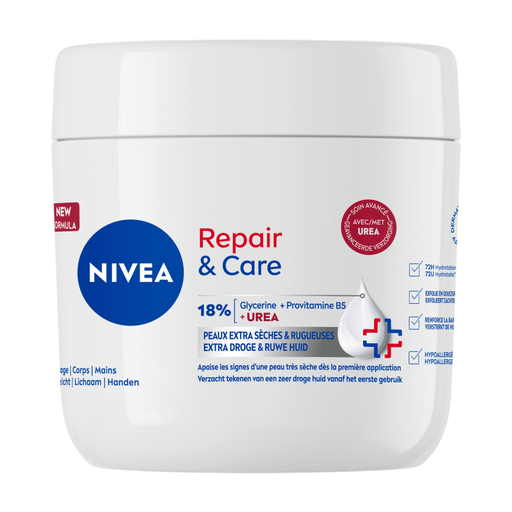
Why it suits this profile: Designed for shoppers looking for a rich body cream for very dry, rough skin and larger areas of the body.
This formula is about more than fragrance: the ingredients list includes urea, glycerine and provitamin B5 as caring ingredients.
400 ml; contains urea, glycerine, shea butter and panthenol; the product information recommends it for very dry, rough skin.
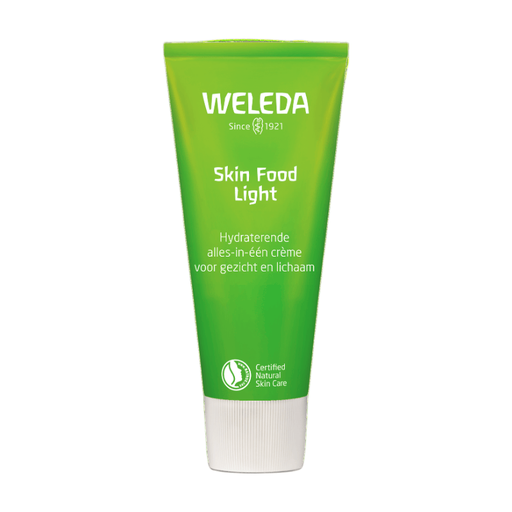
Why it suits this profile: A handy-sized cream for dry areas on the face and body, with a lightweight texture and natural ingredients according to the product information.
This version is lighter than the classic Skin Food formula, making it more practical for everyday use if a very thick cream feels inconvenient.
75 ml; for the face and body; the brand states that it contains 100% natural ingredients and carries a NATRUE label.
We’ve put together a complete, up-to-date list of products that meet these strict selection criteria and the applicable European safety requirements.
Apply body cream to clean skin, preferably after showering while your skin is still slightly damp. Use enough product on dry areas, but start with a small amount to see how quickly the cream absorbs.
Also, keep these points in mind:
Yes, many body creams are designed for everyday use. Apply the product after washing or whenever your skin feels tight. If you have sensitive skin, check the ingredients and instructions for use first.
Body lotion is usually thinner and absorbs more quickly. Body cream is often richer and contains more emollient fats, butters or oils. Choose lotion for a lightweight feel and cream for extra care on dry or rough areas.
Check the packaging for the expiry date and the period-after-opening symbol, such as 12M. Keep the tub or tube tightly closed, at room temperature and out of direct sunlight. If the fragrance, colour or texture changes, stop using the product.
