
Same-day & Next-day Delivery

Quality Guaranteed

Unlock Your Welcome Offers: FREE Delivery | Up to 80% OFF | Free 30-day JoyPlus trial
Download the APP
A body cream can become a staple in your daily skincare routine, but not every formula suits every skin type or situation. A lightweight body lotion feels comfortable after showering, while a rich body butter or body cream may be better suited to very dry skin. Focusing only on fragrance, packaging or a striking claim can lead to choosing a product that feels sticky, causes irritation or fails to provide sufficient care.
In this guide, you’ll learn what to look for, which marketing claims deserve a critical eye and which popular options suit different skin types and routines.
Claims such as “48-hour” or “72-hour hydration” sound clear, but they do not automatically mean that everyone will experience the same effect. Check the small print. For some products, the claim is based on self-assessment or an instrumental measurement carried out under specific conditions.
For example, NIVEA states that its Repair & Care Urea Body Cream was subject to a self-assessment involving 41 volunteers, with the skin evaluated 72 hours after two weeks of use. This is relevant information, but it is not a guarantee for every user.
A natural body cream may contain plant oils, butters or essential fragrance oils. These ingredients are not automatically gentler. Natural fragrance ingredients such as limonene and linalool can also cause reactions in some people.
Always review the complete ingredient list. Pay particular attention to fragrance, alcohol and known fragrance allergens if you are looking for a body cream for sensitive skin.
A firming body cream may temporarily leave the skin feeling smoother or more supple, but cosmetic skincare does not simply change the shape of the body. Caution is also advisable with a body cream for stretch marks. According to Weleda’s own research, 89% of participants observed a reduction in the appearance of stretch marks when using the Pregnancy Body Butter. This is a brand claim based on a specific study group and should not be interpreted as a guaranteed result.
Texture determines how easily a product fits into your routine.
A rich texture is not always an advantage. If you want to get dressed quickly in the morning, a fast-absorbing lotion or cream may be the better choice.
For a body cream for dry skin, humectants such as glycerin, urea and sodium lactate are useful ingredients to look for. Urea can help rough skin feel more comfortable. For very dry skin, a formula that also contains shea butter or other richer emollients may feel more nourishing.
A moisturising body cream for normal skin does not need to be as rich. Vitamin E, jojoba oil and glycerin are often found in everyday formulas. If you want a body cream with Q10, check that Q10 is actually listed among the ingredients. NIVEA Q10 products, for example, combine this ingredient with vitamin C or hyaluronic acid, depending on the variant.
Fragrance is a personal preference. A fragranced body cream can be appealing if you want to combine skincare with scent, but an unfragranced formula is often the more sensible option for sensitive skin. Also check the product size:
Check the expiry date and the period-after-opening symbol on the packaging. Stop using the product if its scent, colour or texture changes noticeably. Avoid contact with the eyes and discontinue use if irritation occurs.
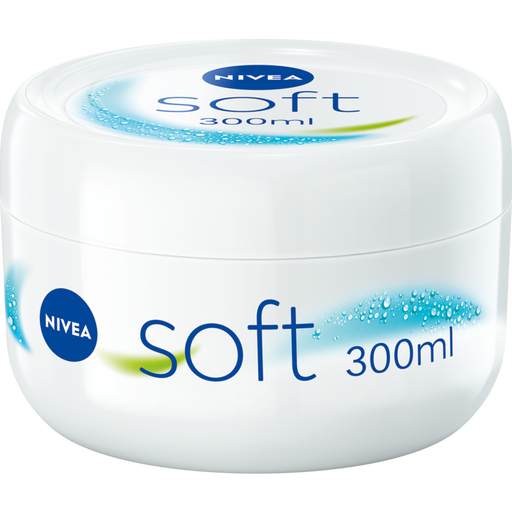
Why it’s a good match: A versatile cream for the face, hands and body. Its lightweight texture is suitable for everyday use after showering.
The product information highlights a fast-absorbing formula and clearly states the size: 300 ml. This makes it easier to assess the texture and expected usage period in advance.
Contains glycerin, vitamin E and jojoba oil. According to the brand description, the cream provides up to 48 hours of hydration.
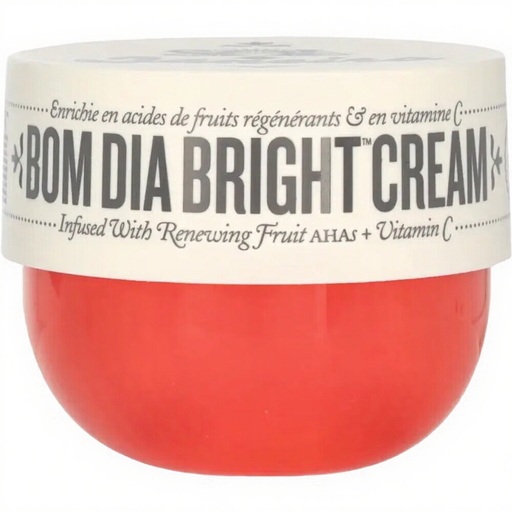
Why it’s a good match: For anyone who sees body cream as a sensorial skincare ritual with fragrance. This variant has a pistachio and salted caramel scent.
The product information explicitly states that fruit acids and vitamin C are part of the formula. A patch test is recommended first for sensitive skin.
240 ml of product, quick absorption according to the product description, and a combination of skincare and a subtle fragrance.
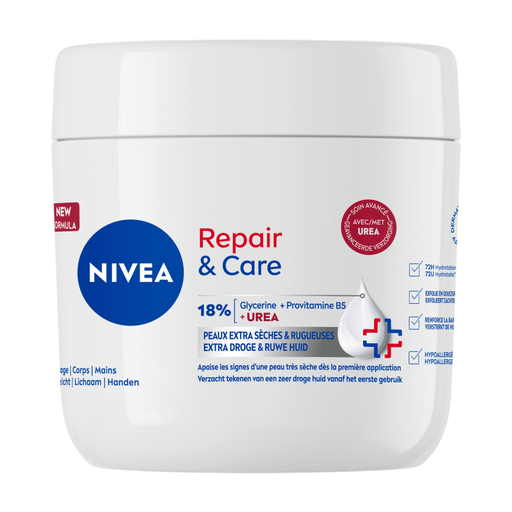
Why it’s a good match: The rich formula is designed for very dry, rough skin, including areas such as elbows, lower legs and hands.
The product description lists specific ingredients: 18% glycerin, provitamin B5 and urea. This makes the formula easier to compare than a generic claim about “intensive nourishment”.
400 ml of product and a formula that, according to NIVEA’s own research, provides up to 72 hours of care. According to the product information, skin compatibility has been dermatologically approved.
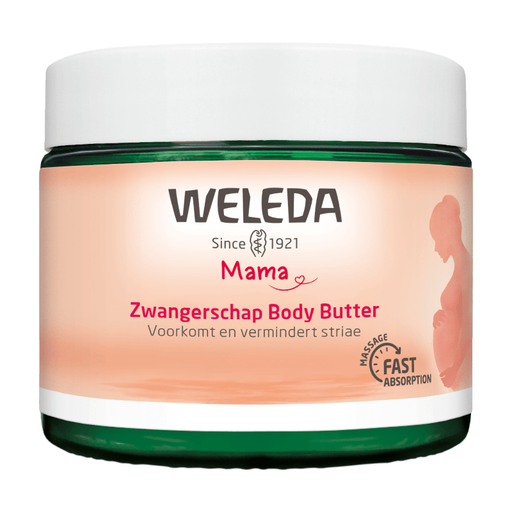
Why it’s a good match: A rich body butter for the abdomen, breasts, buttocks and thighs during pregnancy and after childbirth.
The formula and recommended application areas are clearly described. The claim about reducing the appearance of stretch marks comes from Weleda’s own research and is not a guarantee.
According to the product information, it contains shea butter, jojoba oil and Centella asiatica. The product is described as 100% natural and NATRUE-certified.
Browse our current body cream range and compare products by skin type, ingredients, texture, fragrance and size.
Ideally, apply the cream to clean skin after showering or bathing. Pat your skin dry, but do not wait until it is completely dry. Smooth the body cream over the skin in a thin layer and massage it in gently. Very dry areas may require a second layer.
When trying a new formula, first apply a small amount to a limited area of skin. This is particularly advisable with a body cream for sensitive skin or a product containing fragrance, fruit acids or a high concentration of active ingredients. In the event of persistent irritation, damaged skin or uncertainty during pregnancy, consulting a doctor or midwife is a wiser choice than experimenting yourself.
Not necessarily. Body lotion is generally lighter and absorbs more quickly. Body cream or body butter often has a richer texture and may feel more comfortable on dry or rough areas. Choose based on how your skin feels, the season and how often you intend to use the product.
Check the expiry date and the symbol showing, for example, “12M” on the packaging. This generally means that the product is intended to be used for 12 months after opening. Store the cream at room temperature, away from direct sunlight, and keep the packaging tightly closed.
No. A body cream can hydrate the skin and leave it feeling supple. Claims about preventing or reducing stretch marks are specific to the product and the research behind it. Check who made the claim, under what conditions and whether the supporting research is available.
