
Livraison le jour même et le lendemain

Qualité garantie

Débloquez vos offres de bienvenue: Livraison GRATUITE | Jusqu'à -80 % | 30 jours d'essai gratuits à JoyPlus
Téléchargez l'application
A good body cream can become a regular part of your daily skincare routine, but there’s a huge range to choose from. Some products are rich and creamy, while others sink in quickly, like a body lotion. Scent, ingredients and size all play a part, too. If you choose based only on attractive packaging or big promises, you may end up paying for features that don’t suit your skin or routine.
A thick body butter can feel nourishing, but that doesn’t automatically mean it’s comfortable to use every day. A rich cream may transfer onto clothes or take longer to sink in. A lotion is often lighter and handy after a shower, while a butter may be a better fit for dry areas such as elbows, knees and heels.
A scented body cream can be lovely to use, but perfume and fragrance ingredients may not suit sensitive skin. Always check the ingredients list. If your skin reacts easily, it’s often best to choose a simple formula and test any new product on a small patch of skin first.
Terms such as “collagen support”, “glow” or “reducing stretch marks” don’t automatically mean you’ll see a guaranteed result. According to Sol de Janeiro’s product description, Beija Flor Elasti Body Cream supports natural collagen production. Treat this as a brand claim, not a proven effect. WELEDA’s claim that the product reduces the appearance of stretch marks is also based on the brand’s own research. Focus on comparing the objectively stated size, texture, ingredients, scent and directions for use.
Apply a hydrating body cream to clean skin, ideally soon after a shower, before your skin has dried out completely. Massage it in gently, paying attention to areas that tend to get dry more quickly.
Look for ingredients that help retain moisture or leave skin feeling supple, such as glycerine, hyaluronic acid, shea butter, jojoba oil, almond oil and panthenol. Ingredients near the top of the list are generally present in greater quantities than those near the bottom. However, this alone doesn’t tell you how well a product works; the whole formula and your skin type matter.
For body cream for dry skin, shea butter and plant oils are worth looking out for. If you have sensitive skin, a short ingredients list without a strong fragrance is often a practical choice. If you’re looking for a natural body cream, check which certification, if any, is actually shown on the packaging. The meaning of “natural” can vary between brands and product descriptions.
Don’t compare the selling price alone. A 75 ml pot is handy for travelling, but a 200 or 240 ml pack may be better value for everyday use. For a multipack, such as two bottles of Kneipp body lotion, check whether the listed price is for one product or the whole set.
Shelf life and the period after opening matter, too. Follow the information on the packaging, such as any 12M symbol. Stop using the product if its scent, colour or texture changes noticeably.
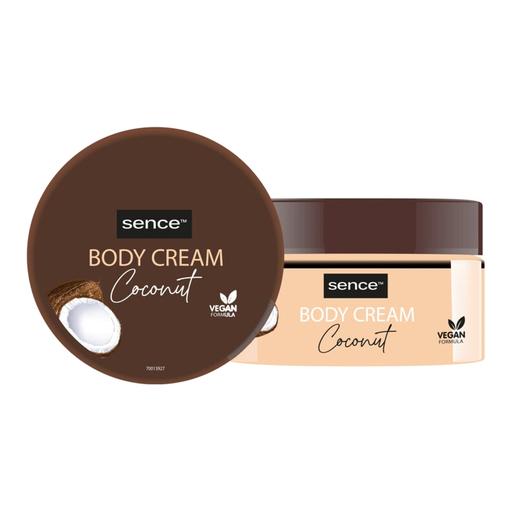
Why it suits this profile: An affordable body cream for anyone looking to combine everyday care with a distinct coconut scent and a 200 ml size.
The product description clearly states the texture, coconut scent and size, without technical skin claims that can be difficult to assess.
200 ml; creamy body cream; coconut scent; designed for everyday use.
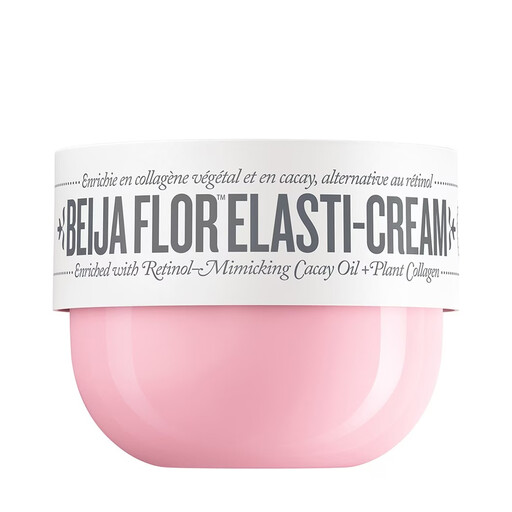
Why it suits this profile: A great choice if you’re looking for a luxury body cream in a generous size, with a soft floral scent and a formula that the product description says absorbs quickly.
The product details list the 240 ml size, consistency, scent and ingredient claims separately. Sol de Janeiro says the formula supports natural collagen production; this remains a brand claim.
240 ml; floral scent; vegan according to the product details; free from parabens and sulphates according to the listed product specifications.
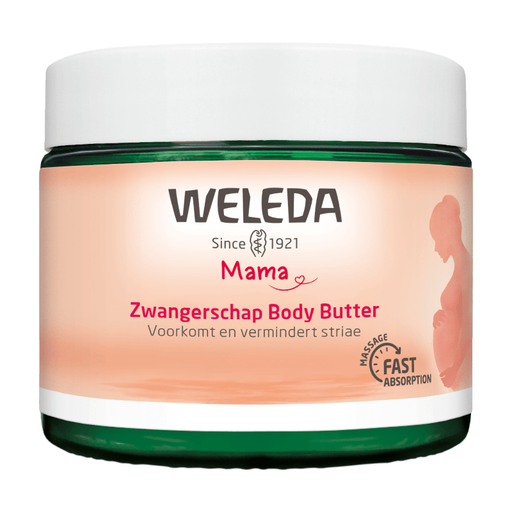
Why it suits this profile: This pregnancy body butter is designed for daily care of the tummy, breasts, bottom and thighs during and after pregnancy.
The product description states what it’s intended for, its scent and ingredients such as shea butter and jojoba oil. Claims about stretch marks come from the brand’s own communications and aren’t a guarantee.
150 ml; 100% natural ingredients according to the product description; rose, orange blossom and myrrh scent; rich butter texture.
Why it suits this profile: An intensive body lotion for anyone looking for rich care without a strong focus on fragrance.
The product information describes the texture and intended use, and mentions Dead Sea mud. If you have sensitive skin, always check the full ingredients list.
250 ml; Dead Sea mud according to the product details; quick-absorbing texture according to the product description; suitable for everyday use.
We’ve put together a complete, up-to-date list of products that meet these strict selection criteria and current European safety regulations.
Take extra care to check the ingredients list for products containing acids, perfume or essential oils. According to the product details, Bom Dia Bright Body Cream contains fruit acids and vitamin C. The product description recommends a patch test, especially if you have sensitive skin or allergies.
No. Body lotion is usually lighter and more fluid, while body cream and body butter are richer. The right choice depends on your skin, the season and how quickly you want to get dressed.
Check the shelf-life information on the packaging. Once opened, a 12M symbol may apply, for example. Store the pot or bottle in a cool, dry place away from direct sunlight. If the scent or texture changes, it’s best to stop using the product.
Use enough to cover your skin in a thin, even layer. Start with a small amount and add more where needed. For larger areas of the body, a 200 to 250 ml pack is more practical than a 75 ml travel size.
