
Same-day & Next-day Delivery

Quality Guaranteed

Unlock Your Welcome Offers: FREE Delivery | Up to 80% OFF | Free 30-day JoyPlus trial
Download the APP
A body cream may seem like a straightforward purchase, but there are big differences in texture, ingredients and how you use it. A lightweight body lotion can feel pleasant after a shower, while a deeply nourishing cream may be better for rough elbows, dry hands or skin that feels tight. If you focus only on a big claim on the packaging, you could end up choosing a product that doesn’t suit your daily routine.
Terms such as “intense hydration” or “long-lasting moisturising effect” don’t tell you how a cream feels or which skin type it’s intended for. So check the ingredients and texture. Glycerine, hyaluronic acid and urea are often used as moisture-binding ingredients. Oils, shea butter and silicones can help the skin feel moisturised for longer.
It’s also worth checking the basis for a claim. According to the product information for NIVEA Repair & Care Urea, the 72-hour claim is based on a self-assessment by 41 volunteers, measured after two weeks of use. That’s different from an independent clinical study.
A product labelled face and body cream can be practical, but your face and body don’t always have the same needs. A rich formula may feel heavy on your face. A scented cream may feel pleasant on your arms and legs, but be less suitable if you prefer to avoid fragrance.
So check the full ingredients list. Look out for fragrance and fragrance allergens such as limonene, linalool or citronellol. If you have sensitive skin, it’s a good idea to apply a small amount to a limited area of skin first.
“Natural” tells you something about the origin or composition of the ingredients, but it doesn’t rule out a reaction. For example, Melvita lists natural fragrance allergens such as linalool and limonene. According to the product information, Weleda Skin Food contains plant extracts and carries a NATRUE label, but it’s still important to check the ingredients list, even with natural products.
Choose a body lotion or lightweight moisturiser if you want to get dressed quickly after a shower. A richer body cream is better suited to an evening routine or areas that tend to become rough. Look out for words such as “light”, “rich”, “milk” and “cream”, but check the ingredients too.
For a cream for dry skin, the following ingredients are worth looking out for:
You shouldn’t take a product claim such as repairing the skin barrier as a guaranteed result. Consider the formula, directions for use and how well your skin tolerates it. If irritation or redness persists, or your skin is damaged, it’s better to seek advice from a doctor or dermatologist than to keep experimenting.
Sizes range from 50 ml for a face cream to 400 ml for everyday body use. A small pack is handy for your handbag or for trying a product first. For your legs, arms or whole body, a larger tub often works out cheaper per millilitre.
Fragrance is another practical consideration. Sence Coconut, Sol de Janeiro Bom Dia Bright and various perfume brands are clearly fragrance-focused. If you prefer a subtle or fragrance-free routine, check the ingredients list rather than relying on the product name alone.
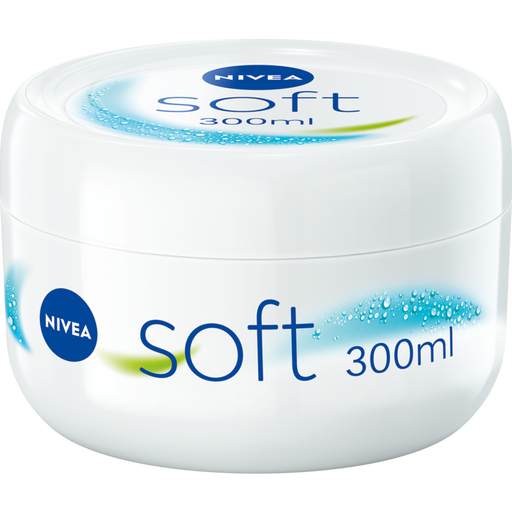
Why it suits this profile: The 300 ml pack is suitable for everyday use on the face and body. Its lightweight texture is practical after a shower and ideal if you want to use just one product.
The product information describes a fast-absorbing formula and clearly states the pack size. Before buying, though, check the ingredients list for fragrance and fragrance allergens.
300 ml, suitable for the face and body, with glycerine, jojoba oil and vitamin E according to the product information.
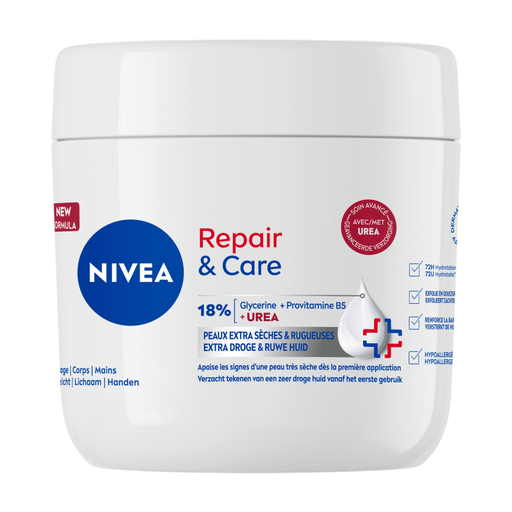
Why it suits this profile: The large pack and rich formula are well suited to everyday use on very dry or rough skin, such as on the legs, hands and elbows.
The product description lists glycerine, urea and provitamin B5. Note that the title and description give different glycerine percentages, so check the packaging before buying.
400 ml, designed for very dry and rough skin, with urea, glycerine and panthenol according to the product information.
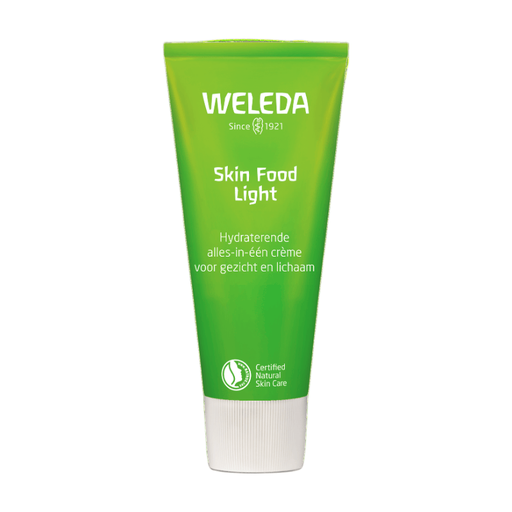
Why it suits this profile: The lightweight version is intended for the face and body. It’s a good fit if you’re looking for natural ingredients, a smaller pack and a fast-absorbing texture.
The product information mentions the NATRUE label and 100% natural ingredients. If you’re sensitive to fragrance or plant extracts, though, check the ingredients for scented components.
75 ml, suitable for the face and body, with a lightweight texture and natural composition according to the product description.
We’ve put together a complete, up-to-date list of products that meet these strict selection criteria and current European safety regulations.
It depends on your skin and the product. Applying it daily after a shower is a practical routine, especially if your skin feels dry. With a deeply nourishing cream, applying it just to rough areas may be enough. Always follow the directions on the packaging.
Body lotion is usually lighter and absorbs more quickly. Body cream often feels richer and contains relatively more emollient or occlusive ingredients. Lotion may feel comfortable on normal skin, while a richer cream may be a better fit for dry or rough skin.
Check the best-before date and the open-jar symbol, such as 12M. Store the cream as directed, usually away from direct sunlight and at room temperature. If its scent, colour or texture changes, stop using it.
