
Vandaag of morgen in huis

Kwaliteit gegarandeerd

Welkomstaanbiedingen ontgrendelen: GRATIS bezorging | Tot 80% korting | Gratis 30 dagen JoyPlus-proefperiode
Download de app
A body cream may seem like a simple product, but the range varies from lightweight body lotion to rich body butter. Fragrance, ingredients and claims also differ considerably. If you choose based solely on the packaging or marketing copy, you could end up with a cream that feels too greasy, runs out quickly or actually irritates your skin.
The three most common pitfalls:
A body lotion is relatively fluid and spreads easily over large areas of the body. This makes it practical for everyday use, especially when you want to get dressed quickly after showering.
A classic body cream is thicker and feels more comfortable on dry areas such as elbows, knees and shins. A body butter often contains more butters and oils. This texture may be suitable for very dry skin or for evening use, but it is not always comfortable in summer or under tight clothing.
Also consider the size. A 200 to 250 ml container is practical for everyday body care. Smaller sizes, such as 75 or 150 ml, are useful for trying a product, travelling or targeted use.
For hydration, you will often see glycerine, oils, shea butter, panthenol or hyaluronic acid in the ingredients list. These substances tell you something about the formula, but they do not guarantee the same result for every skin type.
For natural cosmetics, a certification mark is more relevant than simply seeing the word “natural” on the front of the packaging. For example, product information for the Weleda products mentioned includes a NATRUE label and natural ingredients. Check the certification mark and the current packaging before ordering.
Claims about collagen, skin elasticity, stretch marks or more even-looking skin should be read carefully. According to Weleda’s own research, 89% of participants saw a reduction in visible stretch marks with the pregnancy product mentioned. This is a brand claim from the product information and is not a guarantee for every user. Sol de Janeiro’s description of supporting natural collagen production is also a claim made by the brand.
A fragranced cream can be a pleasant part of your skincare routine. However, if your skin reacts quickly to perfume, it is better to choose a fragrance-free formula. Also check for specific fragrance allergens, such as limonene, linalool, geraniol, alpha-isomethyl ionone and hydroxycitronellal.
Test a new product on a small area of skin first. Stop using it if redness, itching or irritation occurs, and follow the safety instructions on the packaging. Avoid contact with the eyes and use cosmetics externally only.
The period after opening is often shown with the symbol “12M” or “24M”. Keep body cream tightly sealed and store it somewhere cool and dry. Always follow the label for the exact shelf-life information.
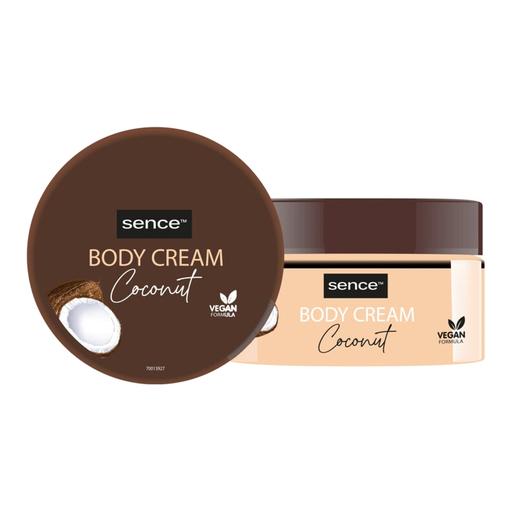
Why it suits this profile: A practical size for everyday use, with a coconut fragrance for those who enjoy scented skincare.
The product description clearly states that it contains 200 ml, has a cream texture and a coconut fragrance. This tells you what you are buying in advance, rather than leaving you to rely on appealing lifestyle images.
200 ml content; rich cream with a coconut fragrance according to the product information.
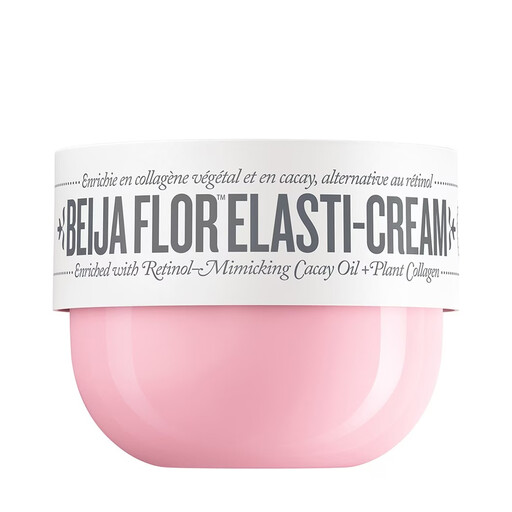
Why it suits this profile: Ideal for anyone looking for luxurious body care with a floral fragrance and a fast-absorbing texture.
The specifications state the size, body application, floral fragrance and suitability for all skin types. The instructions recommend massaging it into clean, dry skin every day.
240 ml content; vegan, paraben-free and sulphate-free according to the product details.
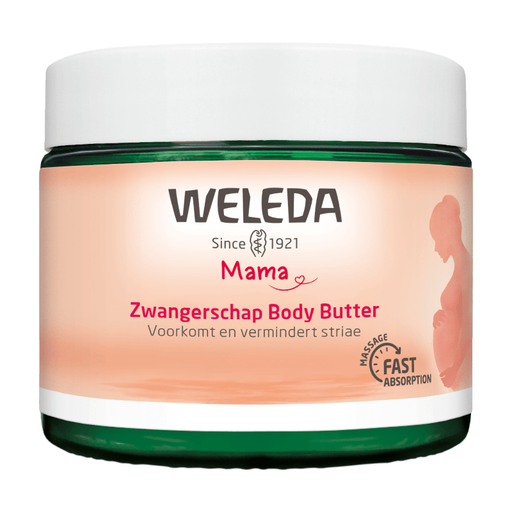
Why it suits this profile: Designed for pregnant users who want to apply a rich, natural body butter to their stomach, breasts, buttocks and thighs.
The intended use, fragrance and formula are clearly described. According to Weleda’s own research, 89% of participants saw less visible stretch marks; this remains a brand claim and is not a guaranteed outcome.
150 ml; shea butter, jojoba oil and Centella asiatica according to the product description; natural formula according to the listed product specifications.
We have compiled a complete, up-to-date list of products that fully meet these strict selection criteria and the applicable European safety regulations.
Use body cream on the body only. A face cream is generally formulated for different skin needs and may have a lighter or more targeted formula. For small, dry areas when you are out and about, a hand cream is more practical. An anti-ageing cream or hydrating face cream also belongs in your facial skincare routine, not automatically in your body-care routine.
If you are looking for a vegan cream or natural body cream, it is wise not to look only at the front of the packaging. Check the certification mark, ingredients and product details. For sensitive skin, perfume, essential oils and known fragrance allergens are important points to check.
Apply body cream after showering or bathing to clean, dry skin. Daily use is practical if you have dry skin. For normal skin, applying it whenever your skin feels tight may be sufficient. Always follow the instructions for the specific product.
Not necessarily, but body butter often has a richer texture and contains more butters or oils. This can feel pleasant on very dry areas. Body lotion generally absorbs more quickly and is more convenient for large areas and everyday use. Choose primarily based on comfort, ingredients and your own routine.
This varies by product. Look for the open-jar symbol on the packaging, such as 12M or 24M. The Sol de Janeiro body products mentioned state 12 months after opening; for other products, check the label. A change in fragrance, colour or texture is a reason to stop using the product.
