
Vandaag of morgen in huis

Kwaliteit gegarandeerd

Welkomstaanbiedingen ontgrendelen: GRATIS bezorging | Tot 80% korting | Gratis 30 dagen JoyPlus-proefperiode
Download de app
The skincare aisle can be overwhelming. Dozens of jars and tubes promise silky-smooth skin, but which body cream truly delivers on that promise? As a Product Recommendation Officer at Joybuy, I see daily how marketing claims cause confusion. Many people overpay for a product that doesn't suit their skin type or, worse, irritates their skin over time. Let's look at the most common pitfalls and how you can avoid them.
Before you make a purchase, it's wise to know what to look for. Many choices are influenced by clever marketing rather than the actual ingredients of the product.
skin cream isn't necessarily better. You often pay for a luxury brand name, fancy packaging, and expensive advertising campaigns. An effective moisturising cream is all about the concentration of active ingredients, not the price tag.To avoid a bad purchase, it's helpful to know how to read a label and which specifications are truly important.
The ingredients on a label are listed in order of concentration. The first five ingredients make up the bulk of the product. Look for proven hydrating and nourishing cream ingredients such as:
Be cautious if Alcohol Denat. or Parfum appear high on the list, as these can dry out or irritate the skin, especially in a cream for dry skin.
The name of the product says a lot about its texture and which skin type it's suitable for.
Based on product specifications and use cases, we have highlighted a few choices that suit different needs.
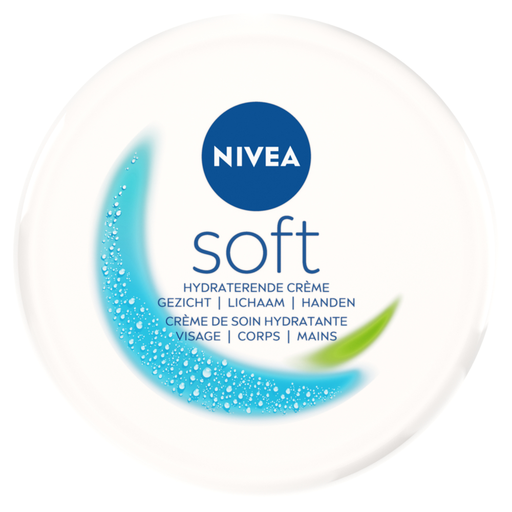
Why this is a good match: For those looking for a no-fuss, affordable, and versatile cream for the whole family. Suitable for both body and face, ideal for a daily routine without any hassle.
This product proves that an effective moisturising cream doesn't have to be expensive. The formula focuses on proven ingredients like glycerin and jojoba oil, without the high cost of a luxury brand.
Lightweight formula that absorbs quickly without feeling sticky. Contains Vitamin E and jojoba oil for nourishment and refreshment.
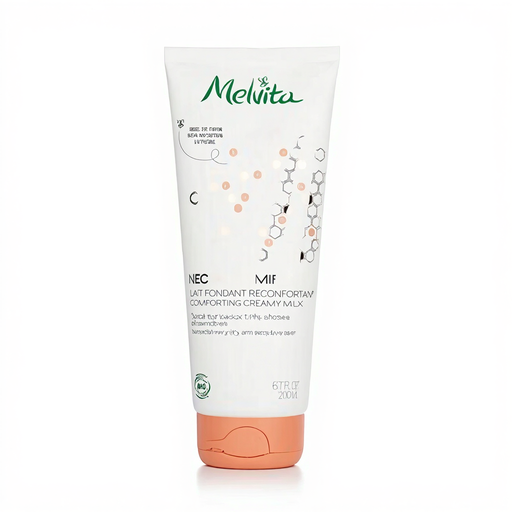
Why this is a good match: Ideal for those with dry, sensitive skin who are looking for soothing and nourishing care with a focus on organic ingredients.
This product goes beyond the "natural" marketing claim with an ECOCERT certification. The focus is on the restorative properties of thyme honey, not on empty promises.
Certified organic, with 20% of ingredients from organic farming. The formula is specifically designed to nourish and soothe dry and sensitive skin.
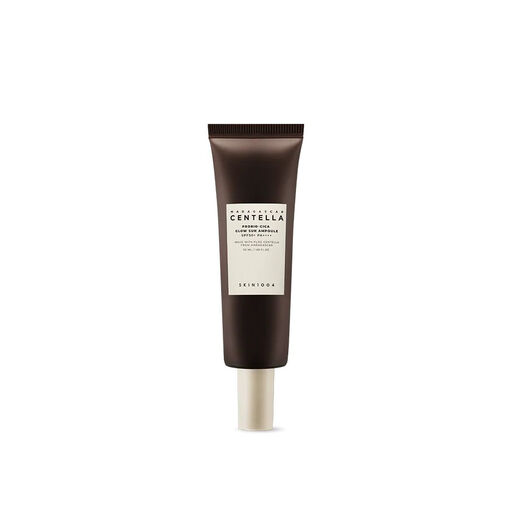
Why this is a good match: For those who want to combine daily hydration with high sun protection, without the heavy, sticky texture of a traditional sunscreen.
This is not a standard thick skin cream. Its light, watery texture absorbs quickly, providing both hydration and SPF 50+ protection without drying alcohols.
High sun protection in a lightweight texture. Contains Centella Asiatica for a soothing effect, making it suitable for sensitive skin.
We have compiled a complete, up-to-date list of products that meet these selection criteria.
The main difference lies in the water-to-oil ratio. A body lotion contains more water, is more fluid, and feels lighter on the skin. A body cream is thicker because it contains more oil, providing more intensive and long-lasting hydration. A cream is often better for dry skin, while a lotion can be pleasant for normal skin or in warmer weather.
Although some creams, like NIVEA Soft, are formulated for both body and face, it is generally better to use a separate face cream. The skin on your face is thinner and more sensitive. Body creams are often richer and oilier, which can clog pores and cause breakouts in people prone to them.
For optimally hydrated skin, it is recommended to apply it daily. The best time is right after showering or bathing. The skin is still slightly damp, which helps the cream lock in moisture more effectively. Apply the cream to clean skin and gently massage it in until it is fully absorbed.
