
Vandaag of morgen in huis

Kwaliteit gegarandeerd

Welkomstaanbiedingen ontgrendelen: GRATIS bezorging | Tot 80% korting | Gratis 30 dagen JoyPlus-proefperiode
Download de app
A good body care routine doesn’t need to involve lots of steps. Yet it’s easy to overpay for a pretty bottle, a striking scent or a promise that doesn’t match your skin. The right choice starts not with marketing, but with your skin type, when you’ll use it and the ingredients list.
A pleasant fragrance can make a shower gel, body lotion or body mist appealing. However, fragrances don’t automatically care for your skin and can be less agreeable for some people. If you have sensitive skin, check whether perfume and known fragrance allergens appear on the ingredients list.
A product designed for fragrance, such as the Sol de Janeiro Brazilian Crush Cheirosa 40 Hair & Body Mist, is primarily intended for a scent experience. According to the product description, this mist contains plum, black amber, orchid, vanilla, woody notes and musk, among others. That makes it a suitable choice if fragrance is your priority, but not as a replacement for a hydrating body lotion.
The term hydrating only means something when you also look at the composition and how you use it. Ingredients such as glycerine, oils and occlusive agents can help lock moisture into the skin. Also pay attention to the texture: a light lotion is practical for daily use, while an oil or richer cream can be more pleasant on rough areas.
According to the product information, Vaseline Intensive Care Essential Healing contains glycerine, petrolatum, dimethicone and oat extract, among others. The manufacturer claims long-lasting moisturising effects; treat this as a brand claim and check whether the formula and skin goal suit you.
A body scrub with sea salt works mechanically: the grains massage the skin as you rinse off. A product with AHA, BHA or PHA works through exfoliating ingredients. Neither option is automatically suitable for daily use or for sensitive skin.
With dry, irritated or damaged skin, caution is important. Test a new product on a small area of skin first, follow the label and stop if you feel a burning sensation, itching or redness. Products with acids can increase sensitivity to sunlight; therefore use sun protection on uncovered skin and limit exposure according to the product warning.
Decide what you want to achieve with your routine:
Compare millilitres or grams with the price. A 500 ml bottle may seem good value, but it’s less handy if you have limited space or want to try a product first. A pump bottle can be practical for daily use, while a compact bottle is easier to take with you.
Also check the shelf life, batch information and the period after opening on the packaging. Store body care products in a dry, cool place away from direct sunlight when the label recommends it.
Words like “dermatologically tested”, “natural”, “gentle” or “for all skin types” provide context, but don’t predict how your skin will react. According to a brand’s own research, a formula might, for example, offer a certain level of hydration or long-lasting freshness. That is not a universal guarantee.
Therefore always look at the full ingredients list. This is especially relevant if you have sensitive or acne-prone skin, or if you have previously reacted to perfume, essential oils, acids or preservatives.
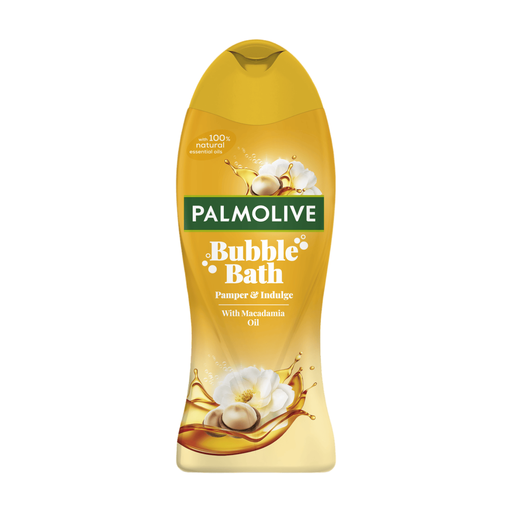
Why this fits the profile: A large bottle for daily showering, with a scent centred around macadamia oil.
The 500 ml content makes it easier to compare price per quantity. Do check the fragrance ingredients if you have sensitive skin.
500 ml content; according to the product information, 97% biodegradable formula and dermatologically tested.
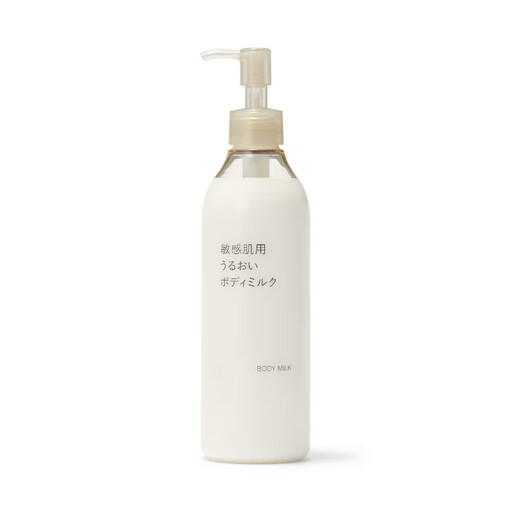
Why this fits the profile: The product information states a fragrance-free formula with ceramide and amino acids, designed for sensitive skin.
The packaging clearly states which substances have not been added, including perfume, colourants, alcohol and mineral oil.
300 ml content; fragrance-free according to the product description; mildly acidic formula according to the manufacturer.
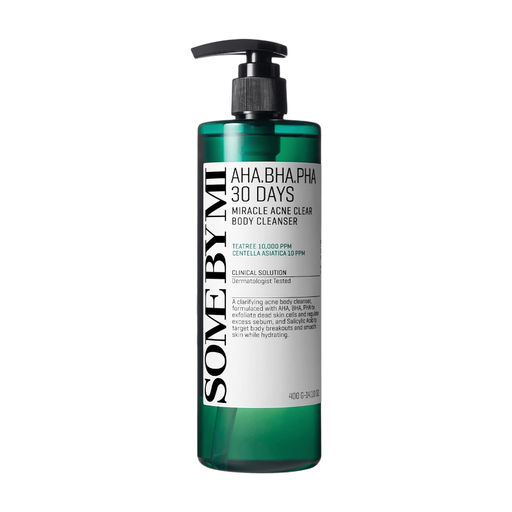
Why this fits the profile: According to the ingredients list, the body cleanser contains salicylic acid, gluconolactone and plant extracts, among others.
The exfoliating ingredients are specified. Use according to the label, avoid damaged skin and perform a patch test first if you have sensitive skin.
400 ml content; combination of AHA, BHA and PHA according to the product information; intended for use on the body.
We’ve put together a full, up-to-date list of products that fully meet these strict selection criteria and comply with current European safety regulations.
For most adults, a practical order is sufficient:
Choose a body lotion or body oil with moisture-retaining ingredients and apply it after showering. Avoid long, hot showers. If you have sensitive, dry skin, also check for perfume and known allergens in the ingredients list.
That depends on the grain, formula and your skin’s reaction. Start gently, for example once a week, and follow the instructions for use. Do not use on damaged or irritated skin. A scrub should not cause pain or a burning sensation.
Deodorant primarily targets body odour. An antiperspirant is designed to help reduce sweating and can also mask odour. Check the product type, ingredients and warnings before making your choice.
