
Vandaag of morgen in huis

Kwaliteit gegarandeerd

Welkomstaanbiedingen ontgrendelen: GRATIS bezorging | Tot 80% korting | Gratis 30 dagen JoyPlus-proefperiode
Download de app
Choosing a new body lotion, shower gel or body scrub seems straightforward. Yet shoppers often pay for a fragrance, packaging or marketing claim that tells them little about how a product performs day to day. When choosing body care, the key things to consider are your skin type, the amount of product, the ingredients list and how you plan to use it.
A 1,000 ml bottle may look like a good deal, but it’s less convenient if you’re short on space or quickly tire of a fragrance. Check the price per 100 ml and think about how much product you actually use. A multipack can be good value for everyday use, while a travel size may be more suitable for short breaks or a gym bag.
A fresh, fruity or warm fragrance can be appealing, but perfume and fragrance ingredients may not suit everyone. Check the full INCI ingredients list on the packaging. If you have sensitive skin, for example, look out for perfume and known fragrance allergens such as limonene, linalool or coumarin.
Brands may also use terms such as ‘hydrating’, ‘nourishing’ or ‘24-hour moisturising’. Treat these as product information from the brand, not as a guaranteed result. For example, according to Dove’s product description, certain shower gels contain MicroMoisture technology. You can compare this with the ingredients, your experience of using the product and your own skin’s needs.
A lightweight body lotion absorbs quickly and is practical to use after a shower. Body cream or body oil usually feels richer and may be more suitable for dry areas such as elbows, knees and heels. The right choice depends on the texture, when you’ll use it and your personal preference.
If irritation or redness persists, or your skin is damaged, it’s best to stop using the product and seek professional advice. Cosmetic products are not a substitute for medical care.
First, decide what you want the product to do:
For dry skin, glycerine, plant oils, shea butter and other moisturising ingredients are often worth comparing. Also consider the texture: a lotion is usually lighter than a cream or oil.
Don’t just compare the number of millilitres. Also check:
Cosmetics sold in the European Union should include information such as an ingredients list, the amount of product, shelf-life details and the details of the responsible person. Check that the information on the label matches the online product page.
Also look out for warnings such as for external use only, avoiding contact with the eyes, and not using the product on damaged or irritated skin. If a product contains perfume or essential oils, checking the ingredients is especially useful if you’ve reacted sensitively to body care products before.
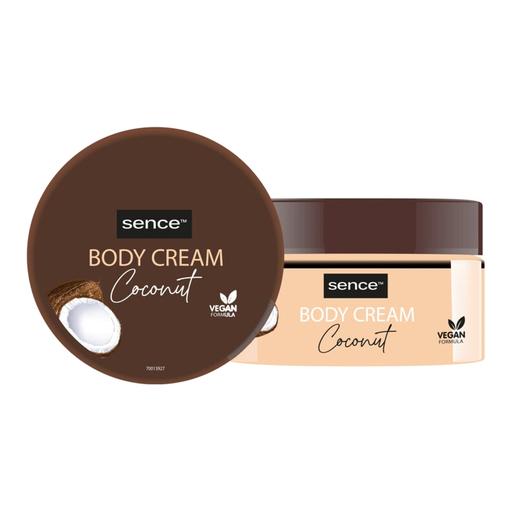
Why it suits this profile: A manageable 200 ml pack for anyone looking to add body cream to their daily routine without buying a large bottle straight away.
The amount is clearly stated, and the product description specifically mentions the coconut fragrance. Before buying, check the current ingredients and shelf-life information on the packaging.
200 ml; creamy body cream; coconut fragrance according to the product description.
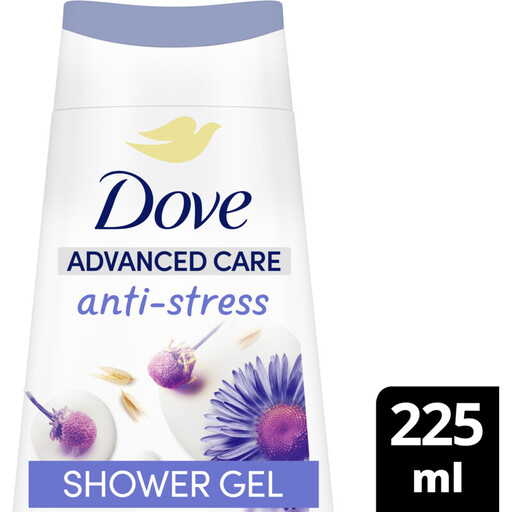
Why it suits this profile: A good choice if you’re looking for a shower gel that cleanses gently and contains caring ingredients such as coconut oil and almond extract, according to the product information.
The formula and amount are specified, including 225 ml and a sulphate-free formula according to the product description. Check the label when it arrives.
225 ml; coconut oil and almond extract according to the product information; suitable for daily showers.

Why it suits this profile: The 400 ml bottle is well suited to everyday use over larger areas of skin and to anyone who applies body lotion regularly.
The product description mentions aloe vera, quick absorption and a non-greasy texture. Treat these as brand and product information, and check that the texture suits your preference.
400 ml; aloe vera according to the product description; a lotion formula that, according to the description, absorbs quickly.
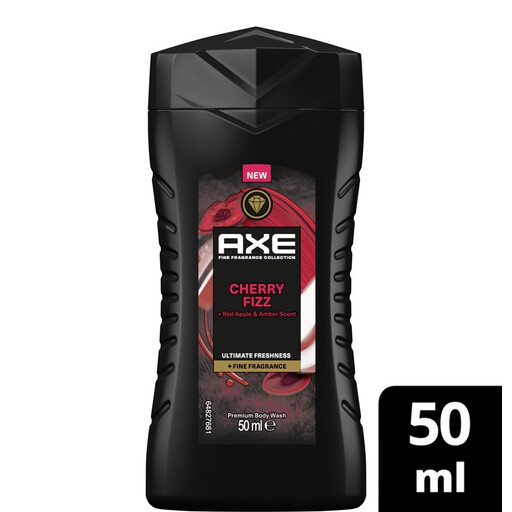
Why it suits this profile: The compact 50 ml size fits easily into a washbag for a weekend away, the gym or hand luggage.
You don’t have to buy a large bottle for occasional use. The ingredients list includes perfume; check it if you have any known allergies or sensitivities.
50 ml; compact travel size; cherry fragrance according to the product description.
We’ve put together a complete, up-to-date list of products that meet these strict selection criteria and the applicable European safety requirements.
Look for a body lotion or body cream with ingredients such as glycerine, shea butter or oils. Body oil may feel pleasant if you prefer a richer texture. Ideally, apply the product after showering, while your skin is still slightly damp. Always check the ingredients if you’re sensitive to perfume.
It depends on the formula and your skin. Start gently and follow the directions on the packaging. Avoid using a scrub on irritated or damaged skin. A product such as Sence Body Scrub Coconut contains sea salt, according to the product information, and is designed to exfoliate the skin. Use only as much as needed and rinse thoroughly.
Comparing products online makes it easier to weigh up quantities, multipacks, fragrances and product types. Be sure to check the price per 100 ml or per item, delivery costs, delivery time and shelf life. That way, you can avoid a low unit price becoming less attractive because of a small pack size or extra costs.
