
Vandaag of morgen in huis

Kwaliteit gegarandeerd
Download de app
Categorieën

A Bodum French Press represents an authentic coffee experience. Opting for a French press is often a deliberate choice: you're selecting rich, full-bodied flavor, a simple brewing process, and a sustainable method that eliminates disposable filters. But with various models like the Chambord, Caffettiera, and Brazil, it can be challenging to determine which Bodum coffee maker best suits your needs. This guide will help you make an informed decision based on factual product features.
When selecting a coffee press, several key parameters are important. Paying attention to these details will help you avoid a poor purchase and choose a model that fits your lifestyle.
Below is an overview of three popular Bodum models. This selection is based on specifications provided by the manufacturer.
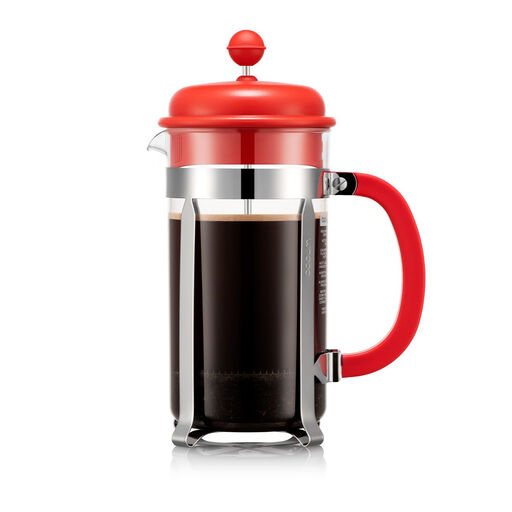
Why this product: The Bodum Caffettiera combines iconic French press functionality with a striking, colorful design. Its chrome-plated steel frame protects the glass carafe, while the plastic lid and handle ensure safe handling.
Advantages:
Who is this for: For the coffee lover who values design and a pop of color in their kitchen as much as functionality. It's a solid middle ground between the Brazil and the Chambord.
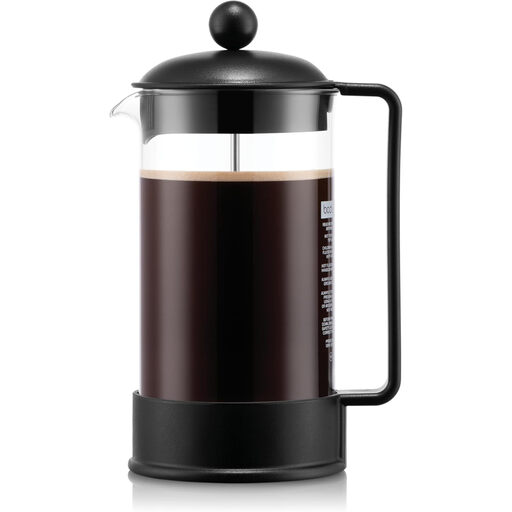
Why this product: The Bodum Brazil, first designed in the 1980s, focuses on affordability and functionality. Its body, handle, and lid are made from lightweight, BPA-free plastic, making it an accessible entry-level model.
Advantages:
Who is this for: Ideal for beginners or budget-conscious users who want to experience the benefits of French press coffee without a major investment. The focus is purely on function.
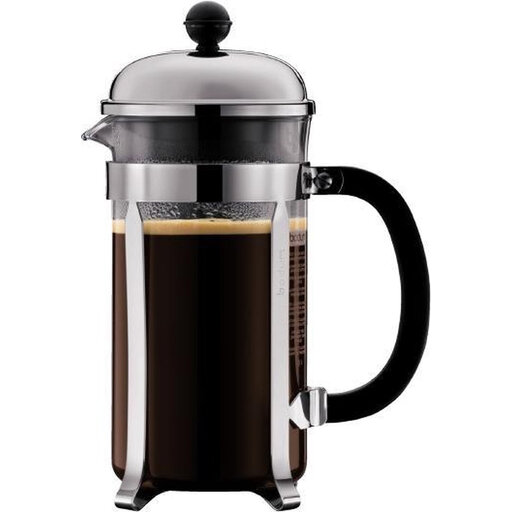
Why this product: The Bodum Chambord is considered by many to be the original and definitive French press design. The model is based on a pre-World War II design and is produced with a focus on durability and craftsmanship.
Advantages:
Who is this for: For the coffee connoisseur who invests in tradition, durability, and superior materials. This model is a statement of quality and design.
| Feature | Bodum Caffettiera | Bodum Brazil | Bodum Chambord | | :--- | :--- | :--- | :--- | | Frame Material | Chrome-plated SS | BPA-free plastic | Durable SS | | Handle | Plastic | Plastic | Polypropylene (matte) | | Positioning | Colorful design | Functional entry-level | Premium & classic | | Dishwasher Safe | No (hand wash recommended) | Yes | No (hand wash recommended) |
If, after considering these models, you conclude that a coffee press isn't the right brewing method for you, there are several alternatives. Perhaps you prefer the speed of an espresso machine, the clarity of a pour-over coffee maker, or the convenience of a drip coffee machine. For a broader overview of brewing methods, you can explore our full range of products.
Explore our full range of Coffee & Tea Makers for more options.
1. How do you make coffee with a Bodum French Press? The process is simple. Place the French press on a flat surface. For each cup (120 ml / 4 oz) of water, add one level tablespoon or scoop of coarsely ground coffee. Pour hot water (approximately 92-96 °C / 195-205 °F) into the carafe, leaving at least 1 inch (2.5 cm) of space at the top. Stir with a wooden or plastic spoon. Place the lid on the carafe with the plunger pulled up and let the coffee brew for 4 minutes. Afterwards, press the plunger down slowly and steadily. Your coffee is ready to serve.
2. What grind size do I need for a French press? A coarse grind is essential for a French press. The grind should have the consistency of coarse sea salt. A grind that is too fine can clog the filter and will result in a muddy, bitter coffee due to over-extraction.
3. What is the difference between the Bodum Chambord and the Caffettiera? The main difference lies in the materials and finish. The Chambord features a frame and lid made entirely of durable stainless steel, giving it a premium look and feel. The Caffettiera combines a steel frame with a plastic lid and is often available in various colors, placing a greater focus on design and personalization.