
Vandaag of morgen in huis

Kwaliteit gegarandeerd

Welkomstaanbiedingen ontgrendelen: GRATIS bezorging | Tot 80% korting | Gratis 30 dagen JoyPlus-proefperiode
Download de app
A Bluetooth speaker seems easy to pick: pair your phone, press play and take it with you. Yet many purchases disappoint. A model may look sturdy in the product photos, but in reality it might not get loud enough, run flat quickly, or fail to withstand rain and sand.
So don’t just look at wattage or vague terms like “party sound”. Focus on the battery life, IP rating, dimensions, connections and your real-world use case. Below you’ll find practical pointers and a selection of portable Bluetooth speakers for different situations.
Higher wattage doesn’t automatically mean a speaker sounds better. It mainly indicates output power under certain conditions. A compact, lower-powered speaker can be plenty for a bedroom or picnic, whereas a garden party calls for more volume and a larger cabinet.
Also check:
A water-resistant speaker usually has an IP rating. The first digit refers to dust protection, the second to water. With IP67, the first digit 6 means complete protection against dust. The 7 refers to temporary immersion under the manufacturer’s stated conditions.
That makes an IP67 speaker suitable for rain, the beach or a knocked-over drink, but not automatically for prolonged use under water. Also check that flaps covering USB ports are fully closed. A speaker that gets wet while charging can be damaged.
A Bluetooth speaker claiming “24 hours of battery life” typically achieves that figure under specific conditions. Volume level, bass modes, lighting and the type of audio file all affect playtime. With party lights on or at high volume, the real runtime can be much lower.
So don’t just compare the maximum hours; also consider:
For everyday use on the go, a light, compact speaker is practical. According to the product information, the Sony SRS-XB100 weighs 274 grams and has a stated battery life of 16 hours. That suits cycling, travel, a trip to the park or use in a student room.
A larger portable speaker can offer more volume and bass, but also takes up more space. The Sony ULT FIELD 3 weighs approximately 1.2 kilograms and lists a battery life of 24 hours. That’s a different trade-off to a compact speaker: more headroom versus more weight.
If you’ll use your speaker outdoors, the IP rating is a key check. An IP66 rating protects, per the standard, against dust and powerful water jets. IP67 adds protection against temporary immersion under the defined conditions.
Note the difference between IP67 and IPX6. With IPX6, dust protection isn’t specified in the rating. The Tronsmart Bang 2, for example, lists IPX6 and is therefore geared towards protection against powerful water jets, but isn’t specified in the same way as an IP67 model.
Bluetooth 5.3 or 5.4 can provide a modern wireless link, but range and stability also depend on obstacles and the device you connect. If you play music from multiple sources, extra inputs can be useful.
Practical features include:
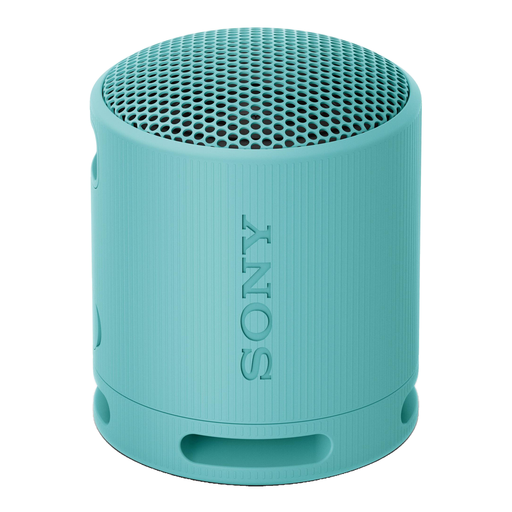
Why it suits this profile: This compact speaker is, according to the product specs, lightweight, fitted with Bluetooth 5.3 and compatible with iOS and Android. The carry strap makes it handy for a bag, bike or quick trips.
The IP67 rating is more explicit about what the housing protects against than a vague “waterproof” claim. The stated 16-hour battery life gives you a clear comparison point.
274 grams, USB-C, 16 hours’ stated battery life, IP67 and support for pairing with another speaker.
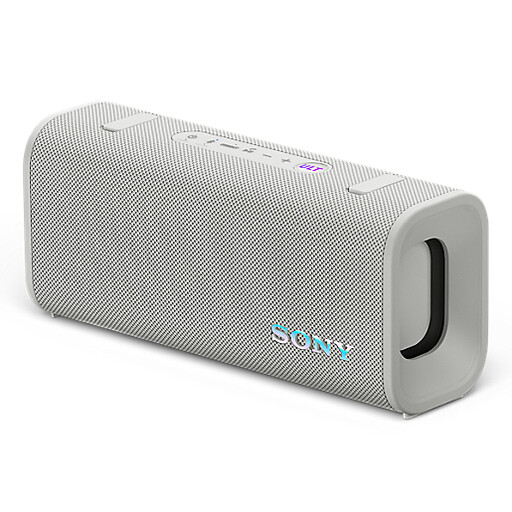
Why it suits this profile: If you want more headroom at home and outdoors, the stated specs include 27 W RMS, ULT Sound Mode, a 7-band equaliser and up to 24 hours of battery life.
Beyond sound modes, the product info lists concrete details about power, weight and IP67 protection. That makes it easier to judge the speaker against your intended use.
27 W RMS, up to 24 hours’ stated playtime, IP67, USB-C, power bank function and connection for up to 100 compatible Sony speakers.
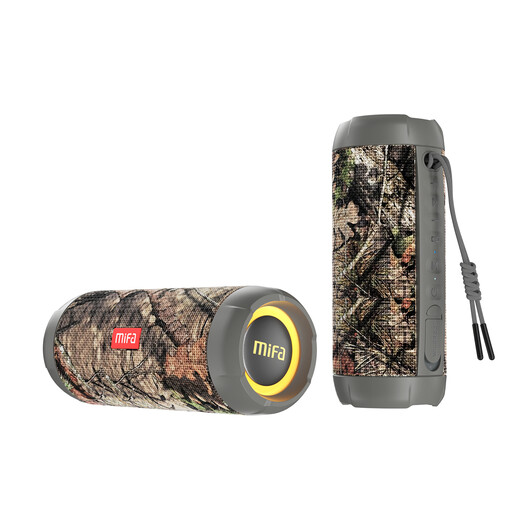
Why it suits this profile: For camping, beach days and active outdoor use, the manufacturer lists IP67 dust protection and IPX7 water resistance. The speaker also features Bluetooth 5.3, a 30 W audio system and a battery for up to 12 hours of playback.
The product info lists dust and water protection separately. That avoids using a single catch-all marketing term as a substitute for a verifiable IP rating.
45-degree design, 30 W audio system, Bluetooth 5.3, microSD support, two simultaneous Bluetooth devices and up to 12 hours’ stated playtime.
We’ve compiled a complete, up-to-date list of products that fully meet these strict selection criteria and comply with current European safety regulations.
Switch the speaker on and activate pairing mode. Then open the Bluetooth settings on your smartphone, tablet or laptop and select the speaker’s name. After the first pairing, the device will usually reconnect automatically. If it doesn’t, remove the old pairing and restart both devices.
Runtime depends on the battery, volume level, sound mode and any lighting. A compact speaker might, according to the product specs, offer around 12 to 16 hours, while larger models list up to 24 hours. Batteries gradually degrade with charge cycles. Don’t store a speaker completely empty for long periods, and avoid heat while charging.
During playback, a Bluetooth speaker mainly draws power from its built-in battery. Power consumption while charging is usually modest, but varies by model and charger. A speaker with lighting, high volume or a power bank function can drain faster and therefore need charging more often. So check charging time and playtime together, not just a single figure.
