
Vandaag of morgen in huis

Kwaliteit gegarandeerd

Welkomstaanbiedingen ontgrendelen: GRATIS bezorging | Tot 80% korting | Gratis 30 dagen JoyPlus-proefperiode
Download de app
Buying a new audio setup sounds simple, until you have to choose between a wireless speaker, a soundbar for your TV, gaming speakers or wireless headphones. Manufacturers often highlight high wattages, surround technology and long playback times. However, these figures do not always tell you how well a product will suit your living room, garden or intended use.
The biggest buying mistakes usually come down to three pitfalls:
Start by considering the room, the source and your listening habits.
Do not look only at the highest wattage in the title. Check whether it refers to RMS power or peak power. RMS provides a more useful indication of the stated continuous power, although this alone still does not tell you everything about the sound.
A 2.0 system has two main speakers. A 2.1 setup adds a subwoofer. A 5.1 or 7.1 system has additional channels or surround speakers. A larger channel layout does not automatically produce a better result in a small room. Speaker placement and the room’s acoustics remain important.
Bluetooth is convenient for playing music from a phone, tablet or laptop. Check the Bluetooth version and supported profiles, but do not assume that a higher version number alone guarantees better sound quality.
For a TV, HDMI ARC or eARC is usually more practical than Bluetooth alone. This often allows the TV remote to control the volume and compatible audio formats to be transmitted. An optical connection is a useful alternative, but it does not always support the same features as eARC.
For an outdoor speaker, IPX6 means protection against powerful water jets. IPX7, according to the IP rating, refers to temporary immersion under specific test conditions. Always check the manual and close the covers securely before using the product outdoors.
When it comes to batteries, pay attention to the difference between the stated maximum playback time and your own usage. Lighting, high volume and heavy bass reduce playback time. For example, the Tronsmart Bang 2 states up to 26 hours at 50% volume with the LED lighting switched off; a shorter playback time is specified when the lighting is on.
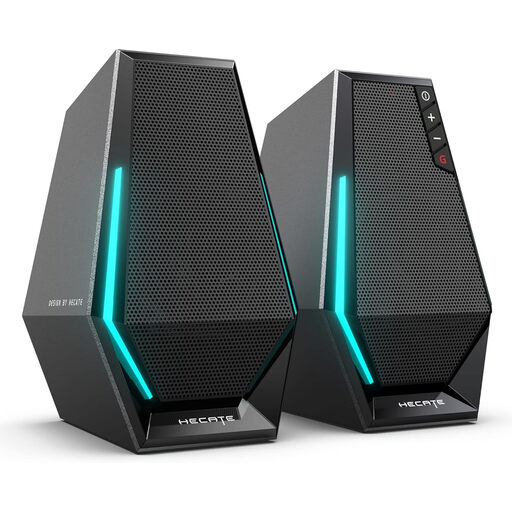
Why it suits this profile: These compact gaming speakers are designed for use on a desk and offer Bluetooth 5.3, USB and 3.5mm AUX. This makes connecting them to a PC, laptop or mobile device straightforward.
The product information lists multiple inputs and USB power, so you do not need a separate amplifier. The stated peak power is 10 W; this is not presented as continuous RMS power.
2.5-inch full-range drivers; five RGB lighting effects; modes for gaming, music and films.
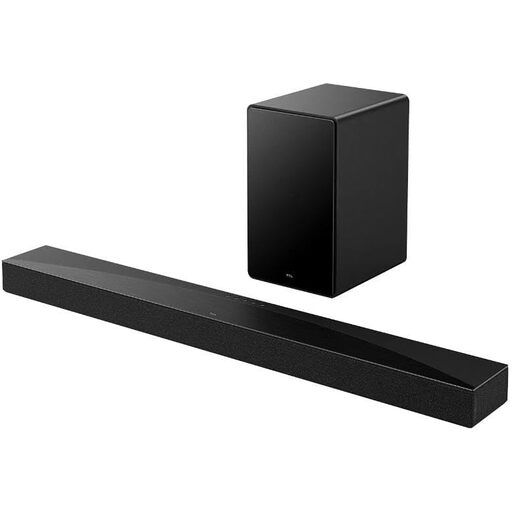
Why it suits this profile: For films, series and gaming, this soundbar provides a fixed home cinema setup with a wireless subwoofer and support for Dolby Atmos and DTS:X, according to the product information.
Alongside Bluetooth, it includes HDMI eARC, HDMI input, optical and USB connections. However, check that your TV supports eARC and the audio formats you want to use.
5.1-channel layout; 100 W RMS wireless subwoofer; HDMI 2.1 and eARC.
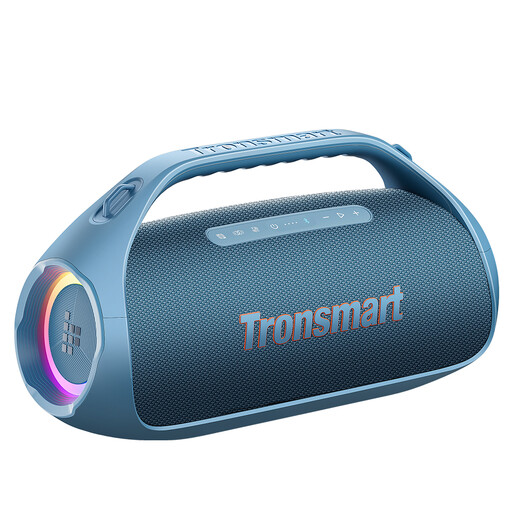
Why it suits this profile: This party speaker is designed for outdoor use and portability. The handle, detachable shoulder strap, Bluetooth 5.3 and battery make it suitable for the garden, campsite or a gathering.
The stated IPX6 rating makes it clear that this means protection against water jets, not immersion. Maximum battery life depends on the volume and LED usage.
90 W stated output power; up to 26 hours at 50% volume with the LED switched off; pair two speakers for stereo sound.
Before buying, check whether cables, wall brackets, a remote control and power adapter are included. With a soundbar and subwoofer, you should also leave enough space for the subwoofer and check that wireless connections work reliably in your home.
An active speaker system is usually simpler than passive speakers with a separate amplifier. A more extensive surround sound system may require more equipment and cables. Also consider energy consumption: a larger setup with a subwoofer and multiple speakers will generally use more energy than a compact Bluetooth speaker or headphones.
Do not place speakers right up against a wall or in an enclosed cabinet if the manufacturer specifies ventilation space. Take breaks when listening at high volumes and follow the manufacturer’s safety instructions to avoid prolonged exposure to loud sound.
We have put together a complete, up-to-date list of products that fully meet these strict selection criteria and the applicable European safety regulations.
It can be, but check your TV’s Bluetooth compatibility. There may be a delay between the picture and sound. For fixed TV audio, HDMI ARC or eARC is usually more practical, especially when using a multi-channel soundbar.
Its lifespan depends on battery usage, charging habits, moisture, drops and storage temperature. Stated playback time is a maximum measured under specific conditions. Use the correct charger, do not charge a wet device and avoid storing the speaker completely flat for long periods.
Consumption varies by model, volume and standby function. A soundbar with a wireless subwoofer and additional surround speakers will generally use more power than a compact 2.0 soundbar. Check the energy label, the manual and whether automatic shut-off is available.
