
Vandaag of morgen in huis

Kwaliteit gegarandeerd

Welkomstaanbiedingen ontgrendelen: GRATIS bezorging | Tot 80% korting | Gratis 30 dagen JoyPlus-proefperiode
Download de app
A Bluetooth speaker might seem easy to choose: pick a compact model, check the wattage and you’re done. In practice, small differences can make a big impact. A speaker that sounds great in your living room may not be the best choice for a bike ride, a day at the beach or a garden party.
Many buyers also focus on marketing claims such as “extra bass”, “waterproof” or “long battery life” without checking the technical details. Read on to find out which specifications matter, which pitfalls to avoid and which models suit different needs.
More power can mean higher volume, but on its own it says little about sound quality, bass performance or distortion. Size, speaker configuration and casing also play a part. A compact single-channel speaker is handy on the go, but it won’t necessarily deliver the same spacious sound as a larger model with multiple drivers.
So, as well as checking the power, look at:
A waterproof Bluetooth speaker with an IP rating is protected within the limits of that rating. IP67 means, according to the protection rating, that the device is dust-tight and can withstand temporary immersion under certain conditions. This makes an IP67 speaker suitable for rain, splashes and some situations near water, but not for prolonged use underwater.
Also check that the port covers are firmly closed. An open USB port can reduce the level of protection. Salt water, chlorine, high-pressure water and charging the speaker while it’s wet can also pose risks.
A speaker advertised with “24-hour battery life” will usually achieve that figure only under specific conditions. Volume, lighting, music type and connection all affect playback time. On a model with lighting, for example, the battery may run down noticeably faster.
So don’t just compare the maximum number of hours. Also check:
Bluetooth 5.3 or 5.4 features in the specifications of several modern models. A newer version can help provide an efficient, stable connection, but your experience also depends on your smartphone, distance and any obstacles. Check that the speaker works with iOS and Android, and consider whether features such as multipoint, NFC or quick pairing matter to you.
A built-in microphone is handy for hands-free calls. If you want to play music without using your phone, look for a wireless speaker with microSD, TF card, USB or AUX support.
For use on the patio, while camping or at the beach, an outdoor Bluetooth speaker should have a clear IP rating. IP66 protects against dust and powerful water jets, according to the product specification. IP67 adds protection against temporary immersion, subject to the stated conditions.
Check the design, too. A portable speaker with a sturdy strap, handle or attachment point is easier to take with you than a heavy model without one.
A compact speaker weighing a few hundred grams will fit in a rucksack or bike bag. A larger model often delivers more volume and bass, but takes up more space. That may be a worthwhile trade-off for a living room or garden party.
Think about how you’ll use it:
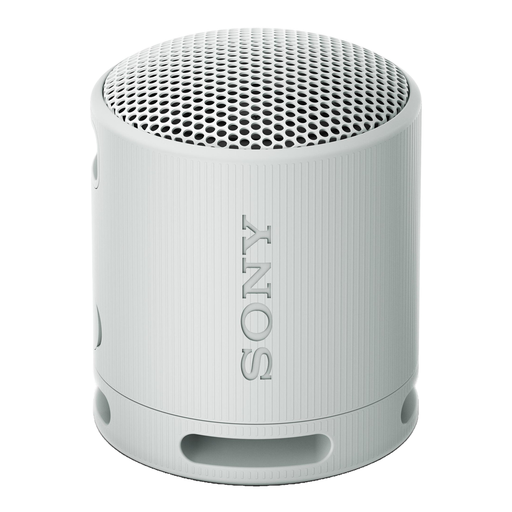
Why it suits this user: Weighing just 274 grams, this compact speaker is easy to take to work, the park or on holiday, and comes with an adjustable carrying strap.
The product specifications give a specific battery life of 16 hours and an IP67 rating, rather than relying on general claims about portability.
Bluetooth 5.3, USB-C, a built-in microphone and a stated battery life of 16 hours.
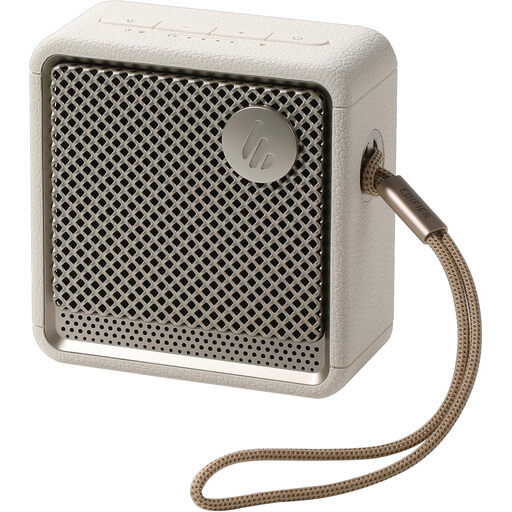
Why it suits this user: This model combines a compact design with 360° sound, mood lighting and control via the EDIFIER ConneX app.
The specifications list 6 W RMS, passive bass radiators and up to 15 hours of playback, helping you make a more realistic assessment of its size and performance.
Bluetooth 5.4, IP67, RGB ambient lighting and the option to use two speakers as a stereo pair.
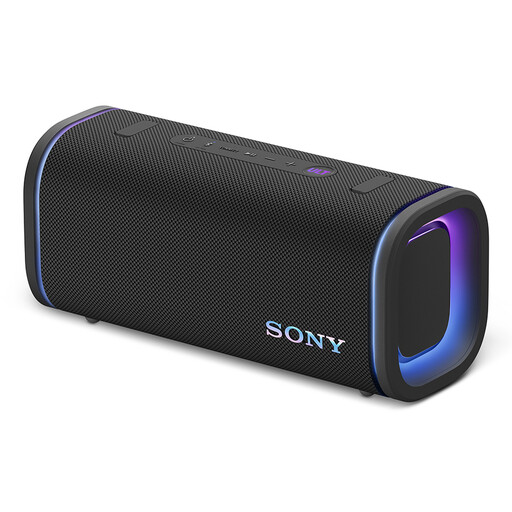
Why it suits this user: With a stated battery life of up to 25 hours, an IP67 rating and a weight of 3.3 kg, this model is designed for home use, garden parties and longer outdoor sessions.
The larger casing and 27 W RMS output are clearly stated. So you know this isn’t an ultra-light travel speaker, but a model with more power in reserve.
10-band equaliser, ULT sound modes, USB phone charging and 360° lighting, according to the product specifications.
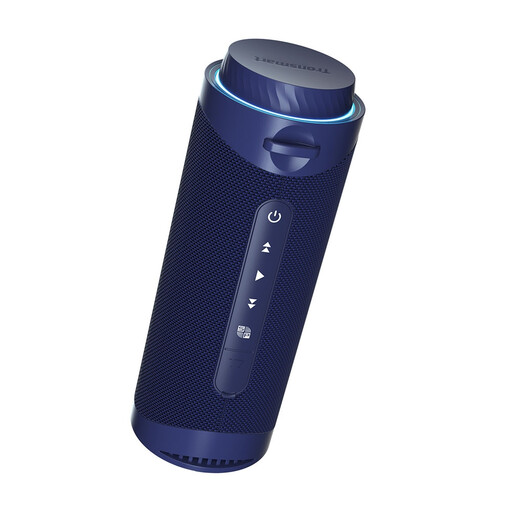
Why it suits this user: With 30 W output, rhythm-synced LEDs and a TWS function, this is a natural choice for a Bluetooth party speaker at home or outdoors.
The product specifications distinguish between up to 12 hours without lighting and around 4 hours with it on. This helps set realistic expectations for battery life.
30 W output, Bluetooth 5.3, IPX7 and the option to pair two speakers for stereo sound.
We’ve put together a complete, up-to-date list of products that meet these strict selection criteria and current European safety regulations.
Turn on the speaker and activate pairing mode. Then open the Bluetooth settings on your smartphone and select the speaker’s name. On models with Fast Pair or an app, connecting may be quicker. If you have trouble, check that the speaker isn’t already connected to another device.
Its lifespan depends on battery use, charging habits, temperature, moisture and physical wear. Use the recommended cable and adapter, don’t charge a wet speaker and avoid storing it in extreme heat for long periods. The stated playback time is different from the overall lifespan of the device.
A wireless speaker uses relatively little power while playing music, but consumption increases at high volume, with the LEDs on and when extra features are in use. A model with USB-C and a battery indicator makes it easier to recharge in good time. With daily use, how often you need to charge it is the main factor in its practical power consumption.
