
Vandaag of morgen in huis

Kwaliteit gegarandeerd

Welkomstaanbiedingen ontgrendelen: GRATIS bezorging | Tot 80% korting | Gratis 30 dagen JoyPlus-proefperiode
Download de app
A Bluetooth speaker may seem simple to choose: look at the size, power and price. Yet many buyers later find themselves facing limitations. A small speaker may sound perfectly fine in the bedroom, but lack volume outdoors. A model with long battery life may be heavy or slow to charge. And a waterproof housing does not automatically mean that you can use the speaker underwater for extended periods.
As a Joybuy Product Recommendation Officer, I filter the most important product specifications and practical considerations. This helps you see which wireless speaker suits listening to music, watching films, gaming, parties or use on the go.
Higher wattage does not tell you everything about the listening experience. The size of the housing, the drivers used, the tuning and the speaker’s placement also affect the sound. So check whether the specification refers to RMS power or peak power. RMS gives a more useful indication of continuous output power.
For a compact speaker on a desk or in a bedroom, modest power is often sufficient. For a living room, garden party or larger space, a more powerful model is the more logical choice.
The stated play time is usually a maximum measured under specific conditions. Volume, bass mode, lighting, Bluetooth connection and the type of music all affect actual usage time. So a Bluetooth speaker with long battery life will not automatically last 24 hours at high volume.
Also pay attention to the charging connection. A Bluetooth speaker with USB-C is practical if you already use USB-C cables for your phone, tablet or laptop.
The IP rating consists of two digits. The first digit refers to protection against dust and the second to water. IP67 means complete protection against dust and protection during temporary immersion under specified conditions. Sony’s product information also states that prolonged use underwater is not recommended.
Also check whether the manufacturer mentions only water and dust resistance, or protection against impacts and rust as well. A speaker for the beach, camping or cycling trips requires different protection from a speaker for use at home.
A portable Bluetooth speaker should suit the way you plan to carry it. A compact speaker weighing a few hundred grams is suitable for a rucksack, bike bag or kitchen shelf. A more powerful outdoor speaker often delivers greater volume, but also takes up more space.
Pay attention to:
Bluetooth 5.3 is found in several modern models and can provide an efficient, stable connection, provided that your phone or tablet is also compatible. The actual connection also depends on distance, obstacles and the device being used.
A speaker with Bluetooth only is simple to use. For greater flexibility, look for:
A speaker for podcasts and background music has different requirements from a gaming speaker or a model for films. Look for stereo sound, bass control, equaliser functions and any delay with Bluetooth audio. For a TV, a soundbar or speaker with AUX, optical or coaxial connection may be more suitable than a small portable speaker.
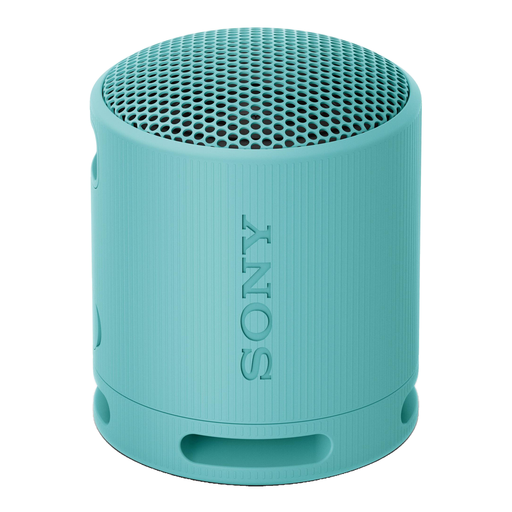
Why it suits this profile: This lightweight model is designed for everyday use, for example in the kitchen, bedroom, office or on the go.
The product information lists both the 274-gram weight and IP67 protection, as well as a USB-C connection. This means you do not have to judge portability and protection from marketing photos alone.
According to the product details: up to 16 hours of battery life, Bluetooth 5.3, IP67 and an adjustable carry strap.
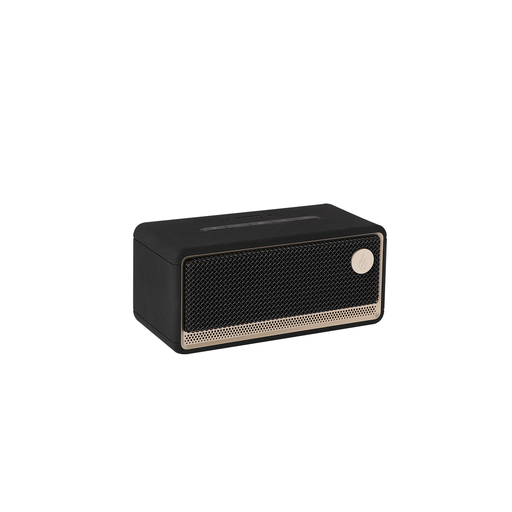
Why it suits this profile: This model is aimed at home use, music, films and gaming, and offers more connection options than a basic portable speaker.
You are not dependent on Bluetooth alone: the speaker lists WiFi, USB and AUX. This gives you extra options for different sources and situations.
According to the manufacturer, the model offers 60 W total power, Bluetooth 5.3, LDAC, AirPlay 2 and up to 12 hours of battery life.
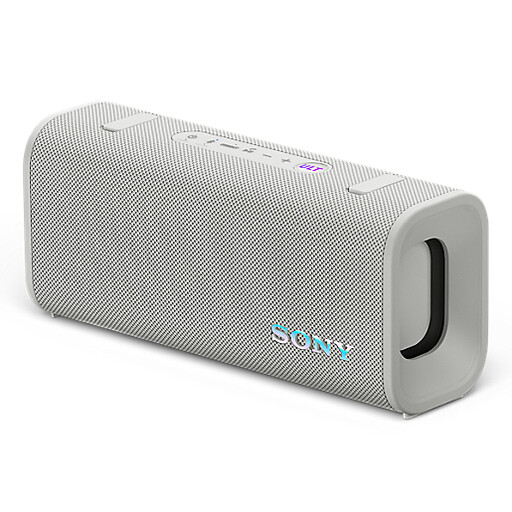
Why it suits this profile: The combination of portability, extended battery life and outdoor protection makes it suitable for camping, garden parties and intensive everyday use.
The stated protection and battery life are listed alongside specific dimensions and weight. This makes it easier to weigh the model against the level of portability you need.
According to Sony: up to 24 hours of battery life, IP67, 27 W RMS, USB-C and a seven-band equaliser in the app.
We have put together a complete, up-to-date list of products that fully meet these strict selection criteria and the applicable European safety regulations.
Start by pairing the speaker with your phone at close range. Switch on Bluetooth, select the speaker’s name and check that the device is shown as connected. For models with an app, you can then configure the firmware, equaliser and sound modes.
Keep these practical points in mind:
Switch on the speaker and activate pairing mode. Then open the Bluetooth settings on your smartphone, select the speaker’s name and confirm the connection. If the device has been paired before, this often happens automatically when Bluetooth is switched on.
This varies by model and usage. Product information may state 8, 12, 16 or 24 hours, for example, but actual battery life depends on volume, bass settings, lighting and the audio source. So do not compare only the maximum play time; also consider the charging port and charging process.
Always check the IP rating and the manufacturer’s safety information. IP67 refers to protection against dust and temporary immersion under certain conditions. It is not an invitation to leave a speaker in a swimming pool for an extended period. Also take chlorine, salt water, impacts and an unsecured charging port into account.
