
Vandaag of morgen in huis

Kwaliteit gegarandeerd

Welkomstaanbiedingen ontgrendelen: GRATIS bezorging | Tot 80% korting | Gratis 30 dagen JoyPlus-proefperiode
Download de app
A Bluetooth speaker seems simple enough: connect it to your phone and play music. Yet many people buy a wireless speaker that doesn’t suit the way they use it. A compact speaker, for example, can be handy on the go but not loud enough for a garden party. A model with a long battery life might be heavy, while a waterproof Bluetooth speaker isn’t necessarily suitable for prolonged exposure to water.
The main pitfalls usually come down to three things:
The right choice starts with how you plan to use it and a few specifications you can check.
A modern portable Bluetooth speaker often uses Bluetooth 5.2, 5.3 or 5.4. A newer version can offer benefits in terms of connectivity and power consumption, but compatibility with your smartphone still matters. Also check whether the speaker has any additional connections.
A USB-C port may be for charging only. For wired audio, you’ll need a 3.5 mm connection. If you want to connect a laptop, games console or television, it’s worth looking for a wireless speaker with an AUX, USB or optical input.
Latency matters for films and games. A Bluetooth connection is convenient, but an HDMI or optical connection is often a better choice for a permanent TV set-up.
A Bluetooth speaker with long battery life is a tempting choice for camping, travelling or long days outdoors. Don’t just look at the quoted number of hours: consider the weight and charging method too.
A few examples from the range:
A larger battery often means a larger speaker. Also check whether you can use the speaker while it’s charging and whether it can charge a smartphone. The ULT FIELD 5, for example, is listed as having a USB port for charging a mobile device.
The IP code consists of two digits. The first indicates protection against dust and the second, protection against water. For IP67, the product rating indicates complete dust protection and protection against temporary immersion under specified conditions.
That makes a waterproof Bluetooth speaker suitable for, say, a rain shower or use by the pool, but always check the manufacturer’s warnings. Salt water, chlorine, high water pressure and a port that hasn’t been properly closed can still cause damage. Only charge a wet speaker once its connections are dry.
Don’t assume that an outdoor speaker without an IP rating is splash-resistant.
A speaker for home doesn’t need the same features as a compact wireless speaker for your bike. Before you buy, think about the following questions:
The selection below matches different models to specific types of user. The details quoted are based on the product specifications and information. Features such as sound quality and bass response depend on the room, source material and volume. Where the manufacturer describes performance, this is based on information provided by the brand.
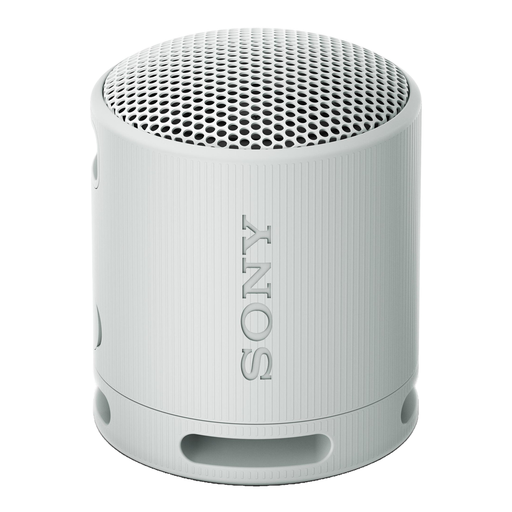
Why it suits this profile: This compact model is designed for everyday use, taking on the go or using in a small space. Its carry strap and weight of 274 grams make it easy to take with you.
The product specifications list both IP67 and a battery life of 16 hours, so you don’t have to rely on marketing terms such as ‘compact’ or ‘powerful’ alone.
Bluetooth 5.3, USB-C, IP67, built-in microphone and support for pairing with a second speaker.
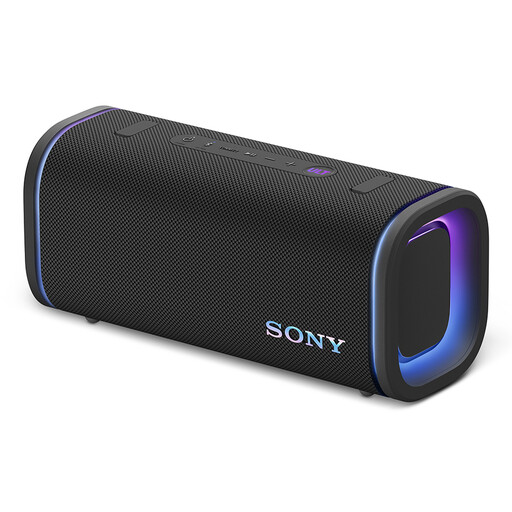
Why it suits this profile: This larger model is aimed at anyone looking to combine portability with more power, adjustable audio and extended use outdoors.
Its weight of 3.3 kilograms is clearly stated, so you’ll know in advance that this isn’t a lightweight speaker for your bag, but a more powerful model for home or outdoor use.
27 W RMS, up to 25 hours of battery life, IP67 and a 10-band equaliser, according to the product information.
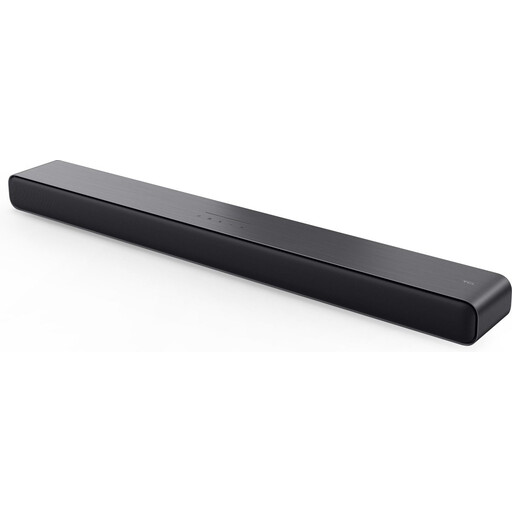
Why it suits this profile: For TV viewers, a Bluetooth soundbar is more practical than a portable speaker. This model is designed for a permanent set-up by the TV.
The connections are clearly listed: HDMI, optical, USB and 3.5 mm. Before ordering, check whether your TV supports ARC or eARC.
2.0-channel system, 25 W RMS, Bluetooth 5.2, HDMI ARC/eARC and support for Dolby Atmos and DTS features, according to the product information.
We’ve put together a complete, up-to-date list of products that meet these strict selection criteria and comply with current European safety regulations.
Turn on the speaker and activate pairing mode. Then open Bluetooth on your smartphone and select the speaker’s name. Some models support faster pairing with Android phones, such as Fast Pair. Remove old pairings if the connection won’t establish.
Battery life per charge varies considerably. Compact models often offer around 6 to 16 hours, while larger models may offer up to about 25 hours. The built-in battery’s lifespan over several years depends on charging cycles, temperature, storage and use. Don’t leave a speaker completely flat or in extreme heat for long periods.
A portable speaker uses relatively little power while charging, but consumption varies depending on the battery capacity and charger. A soundbar or fixed wireless speaker stays connected to the mains. So look out for automatic standby, especially if the device is left switched on but unused for hours each day.
