
Vandaag of morgen in huis

Kwaliteit gegarandeerd

Welkomstaanbiedingen ontgrendelen: GRATIS bezorging | Tot 80% korting | Gratis 30 dagen JoyPlus-proefperiode
Download de app
A Bluetooth speaker may seem simple to choose: connect your phone, press play and you’re all set. Yet many people buy a model that disappoints after a few weeks. The sound may be too quiet outdoors, the battery may not last as long as advertised, or the speaker may be less suitable for rain than expected.
Product descriptions and user reviews often give you a clearer picture than marketing claims alone. Look out for these three common pitfalls:
If you’re looking for a portable Bluetooth speaker to take to the park, beach or campsite, the IP rating is worth checking. The first digit relates to dust, while the second relates to water.
Also check that the charging port is properly sealed before exposing the speaker to rain. Salt water, chlorine, mud and drops can cause more damage than the rating alone might suggest.
A Bluetooth speaker with long battery life is handy for a day outdoors, but remember to consider its weight and dimensions too. A compact model weighing around 274 grams is easy to carry, while a more powerful outdoor speaker weighing over 3 kilograms may offer greater volume but be less suitable for a cycle ride.
Advertised play time is a guide. Volume, equaliser settings, lighting, Bluetooth connection and temperature all affect real-world battery life. Check the charging port too, such as whether it uses USB-C, and whether the speaker can charge your phone.
Bluetooth 5.3 or 5.4 provides a modern wireless connection, but also check codec support, microphone features and the option to pair with a second speaker. USB and 3.5mm AUX connections are handy for a PC. For a television, HDMI ARC or eARC, an optical connection and compatibility with your TV matter more.
A speaker for home and outdoor use doesn’t always have to be the same type. A compact wireless speaker fits in a bag, while a dedicated soundbar makes more sense for films. If you’re looking for a Dolby Atmos soundbar, also check whether a subwoofer and surround speakers are included, which connections are available and how your room is laid out. Having Dolby Atmos on the specifications list doesn’t guarantee the same immersive effect in every room.
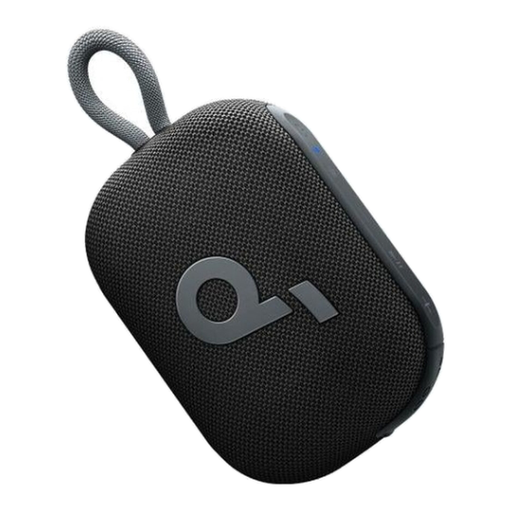
Why it suits this profile: This compact model is a good choice if you want a straightforward wireless speaker for walks, cycle rides or use in the garden.
The specifications state battery life of up to 20 hours and IP67 protection. That gives you a clearer basis for choosing than relying on the word ‘outdoor’ alone.
263.65 grams, 5 W sound output, integrated carry loop, IP67 and TWS pairing for two speakers.
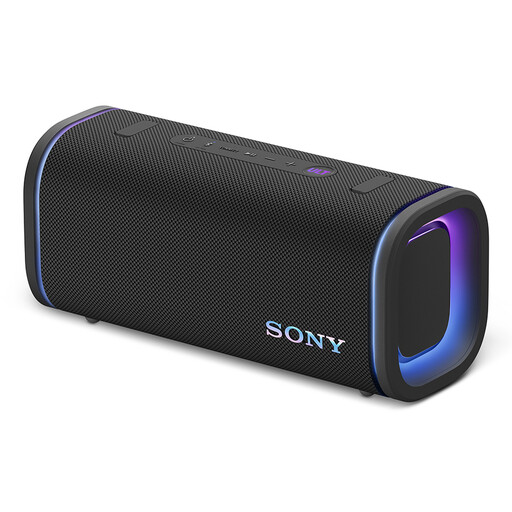
Why it suits this profile: A good option if you want portability combined with a larger size, longer battery life and adjustable sound.
The product information lists more than just a bass mode: it also includes a 10-band equaliser, a 3.5mm input and a USB-C connection.
27 W RMS, up to 25 hours of battery life, IP67, Bluetooth 5.3 and the option to charge a smartphone through the speaker.
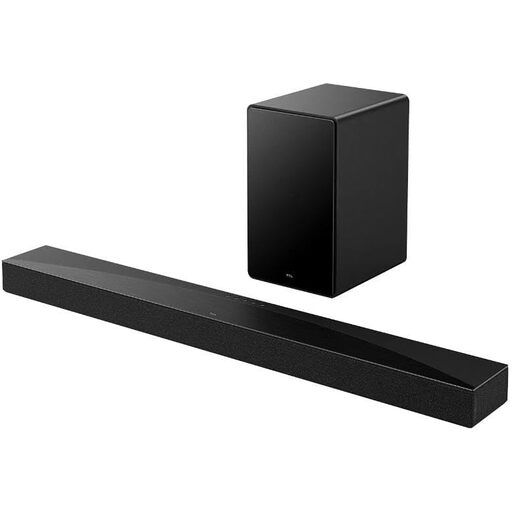
Why it suits this profile: For film fans and gamers looking for a permanent home setup with a soundbar, subwoofer and immersive audio.
The connections are clearly listed: HDMI eARC, HDMI input, optical and USB. This means you can check in advance whether the set is suitable for your TV and console.
5.1 channels, Dolby Atmos, DTS:X, wireless active subwoofer, 580 W RMS according to the product specifications, and wall mounting.
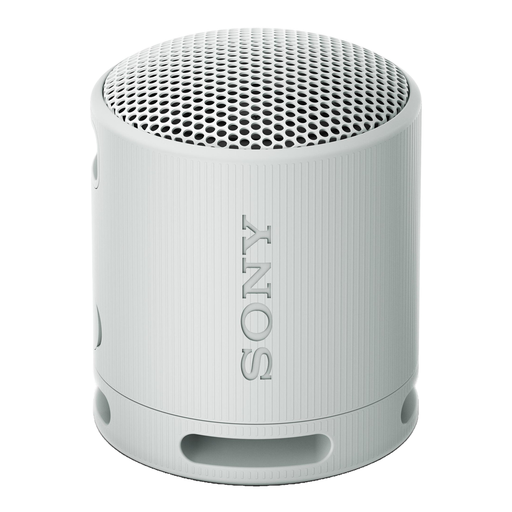
Why it suits this profile: Handy for everyday use at home, on the balcony or on the go, when low weight matters more than maximum volume.
The size, weight and IP67 rating are clearly stated. This makes it easier to judge whether the model will suit your bag and where you plan to use it.
274 grams, advertised battery life of 16 hours, Bluetooth 5.3, USB-C, microphone, and IP67 dust and water protection.
We’ve put together a complete, up-to-date list of products that meet these strict selection criteria and the applicable European safety regulations.
Switch on the speaker and activate pairing mode. Then open the Bluetooth settings on your smartphone, select the speaker’s name and confirm the connection. Some models support features such as Fast Pair on Android phones. If the connection doesn’t work, remove any previous pairing and try again.
Battery life depends on battery capacity, charging habits, volume and temperature. A battery loses capacity over time. Use the recommended USB cable, avoid prolonged exposure to heat and don’t charge the speaker while its ports are still wet. The statutory guarantee and any additional manufacturer’s terms may vary by product.
While playing music, a portable speaker mainly uses energy from its built-in battery. Power consumption while charging is generally limited, but depends on the battery size and adapter. A fixed soundbar with a subwoofer uses power whenever the system is on, so switch it off if you won’t be using it for a while.
