
Vandaag of morgen in huis

Kwaliteit gegarandeerd

Welkomstaanbiedingen ontgrendelen: GRATIS bezorging | Tot 80% korting | Gratis 30 dagen JoyPlus-proefperiode
Download de app
Choosing a Bluetooth speaker seems simple: connect your phone, press play and you’re ready to go. Yet many people end up disappointed with their purchase. A small speaker might look powerful on paper, but the sound can distort at higher volumes. A model with long battery life may not last as long in practice if you often listen outdoors. And a waterproof speaker isn’t automatically suitable for prolonged use underwater.
This buying guide highlights the specifications that really make a difference in the UK. Compare portable speakers, outdoor speakers, Bluetooth speakers and TV soundbars using verifiable information rather than marketing claims.
Wattage tells you something about output power, but it doesn’t tell you everything about sound quality. The casing, speaker sizes, tuning and placement also have an impact. A compact speaker with modest power might sound good in a bedroom, but be less suitable for a garden party.
So consider the combination of power, speaker configuration and size. Also check whether the stated power is RMS. This is a more useful point of comparison than an unspecified peak power rating.
A waterproof speaker should have a clear IP rating. In IP67, the first digit, 6, indicates dust protection, while the second digit, 7, indicates protection against temporary immersion under specified conditions. This doesn’t mean you can use the speaker indefinitely in pool water, seawater or under a strong jet of water.
Also check that the port covers are properly closed. According to their product specifications, the Sony SRS-XB100 and Sony ULT FIELD 1 both have an IP67 rating. It’s still important to follow the manufacturer’s instructions for use.
Stated playback time usually depends on volume, content, Bluetooth connection and temperature. So “up to 16 hours” doesn’t mean every user will get exactly 16 hours of playback. Also check the charging time, charging port and whether a cable is included.
A battery indicator is useful for everyday use. At home, a mains-powered model or TV soundbar may make more sense than a speaker with a large battery.
Bluetooth 5.0, 5.2 and 5.3 provide a modern wireless connection, but your experience also depends on your phone, tablet or laptop. Check that the speaker connects to the devices you use and whether it has features such as hands-free calling, multipoint connectivity or the option to pair two speakers.
A Bluetooth speaker with an AUX input is useful if you also want to connect an older device. A USB or Micro SD input can come in handy if you want to play music without using your phone. According to its product specifications, the Mlove BV800 supports Bluetooth, AUX, USB and TF card, and also has an FM radio.
A compact speaker is handy for a bike ride, holiday or desk, but there’s usually less room for low frequencies. A larger, more powerful speaker can deliver more volume and bass, but takes up more space and is less convenient to carry around.
When choosing a portable speaker, check:
For music, a speaker with bass and equaliser settings might appeal. For films and TV programmes, clear dialogue and immersive sound are often more important. A Bluetooth soundbar usually works better with a television than a small portable speaker, especially if the soundbar supports HDMI ARC or eARC.
According to its product specifications, the TCL S45H has a 2.0 configuration, 25 watts RMS, Bluetooth 5.2, HDMI ARC/eARC and an optical connection. Dolby Atmos and DTS technology are listed by the manufacturer as features; the experience you get will depend on your TV, source and room.
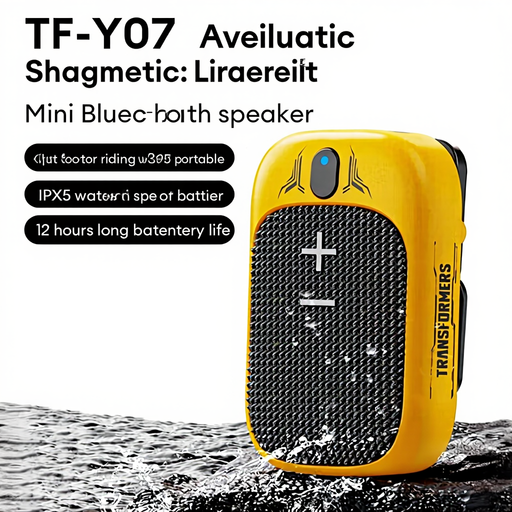
Why it suits this user: This model is designed for anyone looking for a lightweight speaker for cycling, exercise or short trips. At around 80 grams, with stated playback time of up to 6 hours, it’s easy to take with you.
The specifications state a power output of 3 watts, dimensions of around 4 x 4 x 4 cm and battery life of up to 6 hours. This gives you a clear idea of its size and intended use.
Bluetooth connection, on-device controls, low weight and a stated charging time of around 1.5 hours.
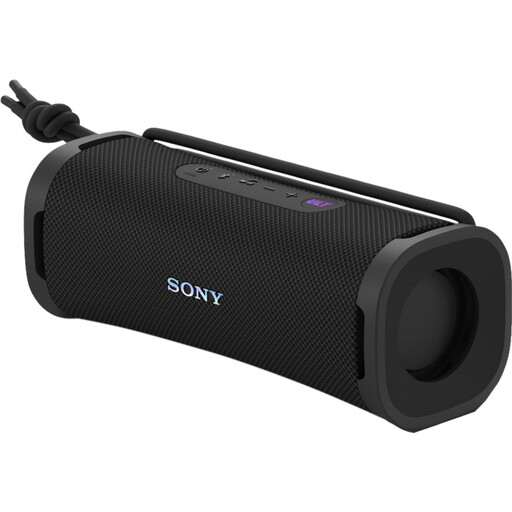
Why it suits this user: A good choice if you want portability, more sound settings and a robust casing for indoor and outdoor use.
The IP67 rating, weight of around 650 grams and stated battery life of up to 12 hours make its key outdoor features easy to check.
According to the product specifications, this model offers 30 watts RMS, Bluetooth 5.3, a ULT sound mode and the option to pair it with a second speaker.
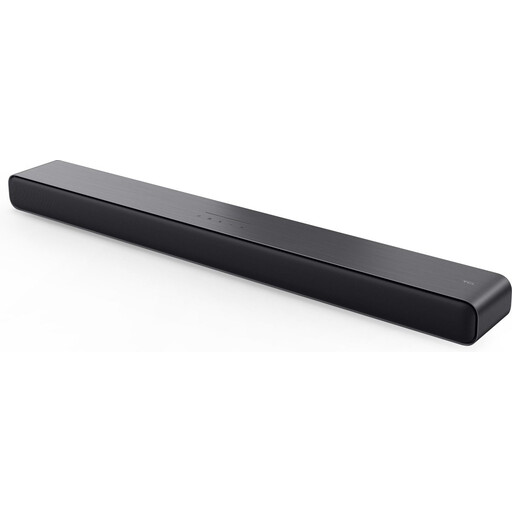
Why it suits this user: For watching TV, films and gaming, a fixed Bluetooth soundbar is often more practical than a battery-powered speaker that needs to be moved around.
The connections are clearly listed: HDMI, optical, 3.5 mm and USB. Check which connection your TV supports and whether ARC or eARC is available before you buy.
2.0-channel system, 25 watts RMS, Bluetooth 5.2, app control and support for immersive audio technologies, according to the product information.
We’ve put together a complete, up-to-date list of products that meet these strict selection criteria and comply with current European safety regulations.
Switch on Bluetooth on your smartphone, tablet or laptop. Turn on the speaker and activate pairing mode. Select the speaker’s name from the Bluetooth list. Many models reconnect automatically the next time you use them. Keep the speaker and source device close together while pairing.
It varies by model and how you use it. Product information often gives a maximum playback time, such as 12, 16 or 20 hours. The actual result depends on volume, audio content, temperature and connection. A speaker with long battery life is especially useful if you use it outdoors or when travelling.
It can be, but check for audio delay and the available connections. For films and TV programmes, a TV soundbar with HDMI ARC/eARC or an optical input is often more practical. A portable speaker can work for occasional use, while a Bluetooth soundbar is a better fit for a permanent set-up. Also check whether your TV supports Bluetooth audio and whether the sound stays in sync with the picture.
