
Vandaag of morgen in huis

Kwaliteit gegarandeerd

Welkomstaanbiedingen ontgrendelen: GRATIS bezorging | Tot 80% korting | Gratis 30 dagen JoyPlus-proefperiode
Download de app
Choosing a Bluetooth speaker might seem straightforward: pick a size, compare the wattage and check the price. But many buyers later run into the same problems. The battery doesn’t last as long as expected, the speaker isn’t suitable for rain, or the sound only works well at low volumes.
This buying guide helps you compare the key features of a wireless speaker in a practical way. You’ll find out which specifications really matter and which models suit home use, holidays, parties or outdoor activities.
The stated play time usually depends on volume, audio content and extra features. Lighting, for example, can use more power. The Tronsmart T7 is said to offer up to 12 hours of play time with the LED lights off; with the lights on, the product information gives up to around 4 hours.
So don’t just look at the highest number of hours. Check:
A powerful Bluetooth speaker may have a high output, but that doesn’t automatically tell you how clearly voices and instruments will sound. The cabinet, speaker design, passive bass radiators and sound tuning all play a part too.
A compact model is practical for a bike bag or desk, but it has physically less room for deep bass than a heavier portable speaker. So think about how you’ll use it first: background music, podcasts, a garden party or a large living room.
Check the IP rating. An IP67 Bluetooth speaker is fully dust-tight according to its stated rating and can be temporarily submerged in fresh water under certain conditions. This level of protection only applies when the covers are properly closed and the manufacturer’s conditions are followed.
Salt water, chlorine, high-pressure jets and charging the speaker while it’s wet can still cause problems. An IPX7 model, such as the Tronsmart T7, is rated as water-resistant, but has no dust rating. That difference matters at the beach, while camping or in a dusty shed.
A portable Bluetooth speaker should suit the way you plan to carry it. The Sony SRS-XB100 weighs 274 grams and has an adjustable carrying strap. That’s handy for a rucksack, picnic or bike ride. Larger models often offer more volume and bass, but they also take up more space.
As well as the weight, check:
Bluetooth 5.3 or 5.4 can provide a modern connection, but the overall experience also depends on your smartphone, distance and obstacles. For everyday use, easy pairing and a stable connection matter more than the version number alone.
Extra features can come in handy:
For everyday use, 8 to 12 hours is often practical. If you’re looking for a Bluetooth speaker with long battery life for a weekend, holiday or event, it’s worth considering models with a stated play time of 20 to 25 hours. Bear in mind that volume and features such as lighting can affect battery life.
A power bank function can also be useful for charging your smartphone. Just check that this feature is actually listed in the product specifications.
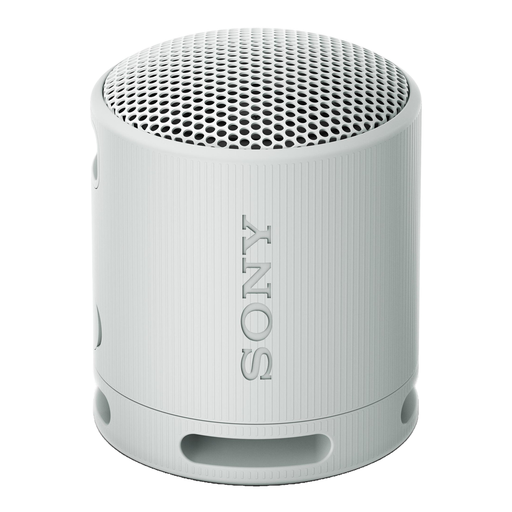
Why it suits this profile: This compact model is easy to carry and well suited to everyday listening, podcasts and music on the go.
The specifications give a clear battery life of 16 hours, USB-C charging and IP67 protection. That makes it easier to see what the speaker is designed for.
274 grams, Bluetooth 5.3, carrying strap, microphone and IP67 protection according to the product specifications.
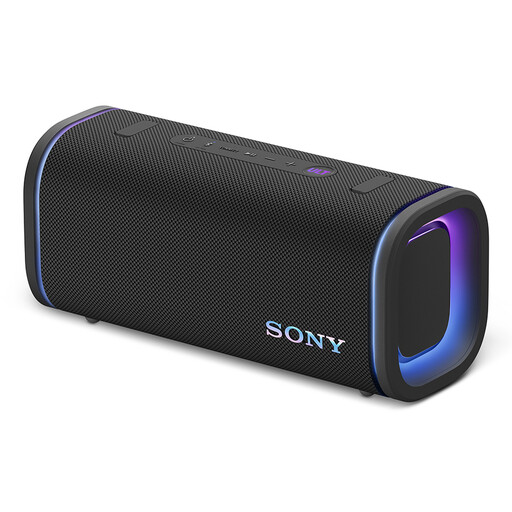
Why it suits this profile: This larger model is designed for listeners looking for more volume, bass settings and features for parties or outdoor use.
The product information lists 25 hours of battery life, IP67 protection and a 10-band equaliser. You can compare the features side by side, rather than relying on marketing claims alone.
25 hours of battery life, 3.3 kg, 360° lighting, power bank function and IP67 protection according to the product description.
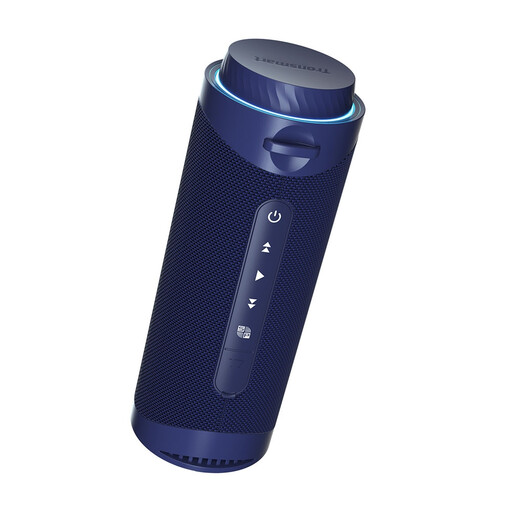
Why it suits this profile: A practical choice for outdoor use and get-togethers, and for anyone who wants lighting and stereo pairing.
The product details distinguish between play time with and without the LED lights. The IPX7 rating is also listed separately.
30 watts of output power, Bluetooth 5.3, LED lights, TWS and up to 12 hours of play time with the lights off.
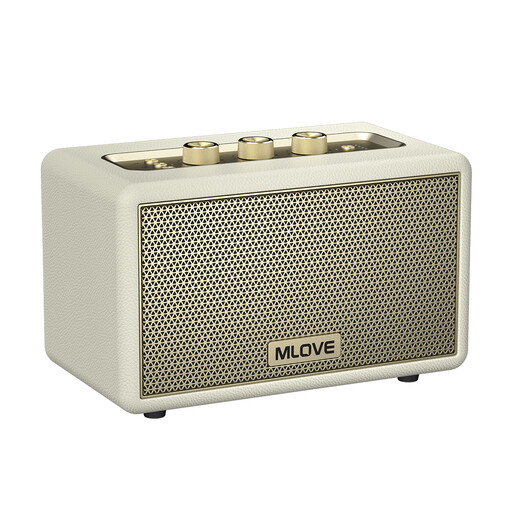
Why it suits this profile: Its retro design, physical buttons and range of connections make this model a good fit for a desk, living room or house party.
As well as Bluetooth 5.3, it has aux and USB connections and a microSD card slot. That means you’re not entirely reliant on a wireless connection.
Bluetooth 5.3, TWS support, physical bass and treble controls, and a range of playback options.
We’ve put together a complete, up-to-date list of products that meet these strict selection criteria and the applicable European safety regulations.
Turn on the speaker and activate pairing mode. Then open the Bluetooth settings on your smartphone and select the speaker’s name. With some models, including certain Sony devices, compatible Android phones support faster pairing. If you’re having trouble connecting, remove the old pairing and try again.
It depends on the battery capacity, volume, audio content and extra features. The stated play times for the products featured range from around 8 to 25 hours. Lighting, higher volumes and phone calls can reduce battery life. Treat the stated play time as a guide, rather than a guarantee.
You can, as long as the casing is designed for it. Check the IP rating and make sure the protective covers are properly closed. A Bluetooth speaker for outdoor use with an IP67 rating is generally better protected against dust and temporary contact with fresh water than a model without an IP rating. Let a wet speaker dry completely before charging it.
