
Vandaag of morgen in huis

Kwaliteit gegarandeerd

Welkomstaanbiedingen ontgrendelen: GRATIS bezorging | Tot 80% korting | Gratis 30 dagen JoyPlus-proefperiode
Download de app
A Bluetooth speaker seems simple enough: connect it to your phone and play music. But models can vary considerably in volume, battery life, water resistance and ease of use. A compact wireless speaker for cycling has different requirements from a powerful model for a garden party or a dedicated speaker for your desk.
Many buyers focus mainly on wattage, lighting or a low price. That can lead to disappointment. So first consider how you’ll use the speaker, then compare the specifications.
A high wattage doesn’t automatically mean a speaker will sound louder or better. The size of the drivers, the enclosure, the tuning and the use of a passive bass radiator all play a part. Check whether the power is listed as RMS, and look for information about the speaker channels.
A compact mono speaker is handy when you’re out and about, but it won’t give you the same stereo width as a model with two channels or two linked speakers. You may notice the difference when watching films, gaming or listening to music in the living room.
A waterproof Bluetooth speaker isn’t automatically suitable for prolonged immersion, salt water or use while charging. The IP rating gives you more information:
Make sure any covers for the USB and audio ports are firmly closed before using the speaker outdoors. If the speaker gets wet, let it dry before charging it.
Claimed battery life usually applies under specific conditions. High volume, bass boost, RGB lighting and a poor Bluetooth connection can all shorten play time. For example, the Tronsmart T7 is listed as offering up to 12 hours with the lighting off, while the manufacturer quotes around 4 hours with the lighting on.
If you’re looking for a Bluetooth speaker with long battery life, it’s worth checking the charging type, charging time and whether it can also act as a power bank. A USB-C model is practical, as you may already use the same cable for your phone or tablet.
Bluetooth 5.2, 5.3 and 5.4 are available across a range of models. A newer version can offer benefits in efficiency and connectivity, but your experience also depends on your smartphone or laptop. Also check whether the speaker:
For a desk or gaming setup, a USB or AUX connection may matter more than long battery life.
A portable Bluetooth speaker should suit the way you plan to carry it. A 274-gram model with a carrying loop fits easily in a bag or on a bike mount. A speaker weighing over 3 kilograms will generally deliver more volume and bass, but is less suited to everyday travel.
Think about where you’ll place it, too. Some models work horizontally and vertically; others are designed to stand in just one position. A sturdy carrying loop or shoulder strap stops the speaker from rattling around loose in your bag.
An equaliser in an app can help you adjust the bass, mid-range and treble. This is useful if you use the same speaker for music, podcasts and films. A built-in microphone is handy for hands-free calls, but check whether echo cancellation is specified.
A speaker with RGB lighting could be a good choice for a party or gaming room. Bear in mind that lighting can affect battery life. According to product information from various brands, features such as multiroom, AirPlay 2, LDAC and stereo pairing can also influence your choice.
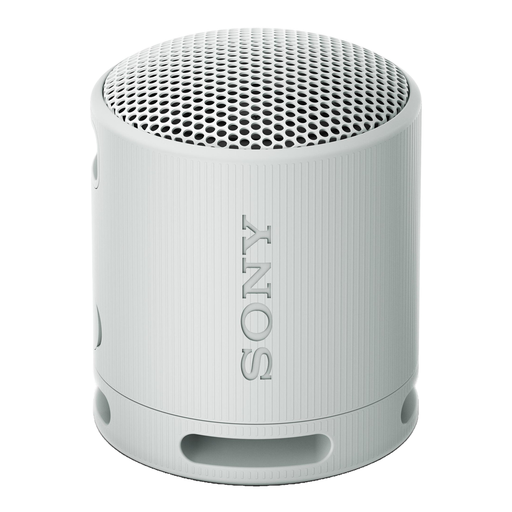
Why it suits this profile: According to the product specifications, this compact Sony Bluetooth speaker weighs 274 grams and has a carrying loop. That makes it suitable for everyday use, travel and an afternoon in the park.
The product specifications give clear figures: 16 hours of battery life, Bluetooth 5.3 and IP67. So you don’t have to rely on general marketing claims alone.
274 grams, USB-C, IP67, built-in microphone and support for pairing with a second speaker.
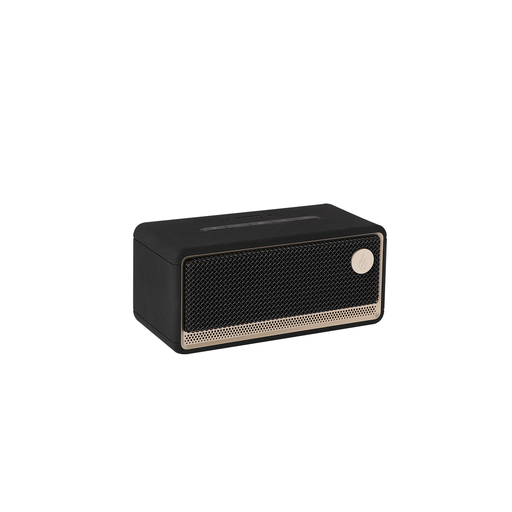
Why it suits this profile: This Edifier model is designed for home use, music, films and gaming. With Bluetooth, Wi-Fi, USB and AUX, it offers more connection options than a basic portable speaker.
Rather than relying on a wattage claim alone, the product information lists the drivers, 60W total power, connections and battery life of up to 12 hours.
Bluetooth 5.3, Wi-Fi, USB, AUX, AirPlay 2, multiroom support and app control.
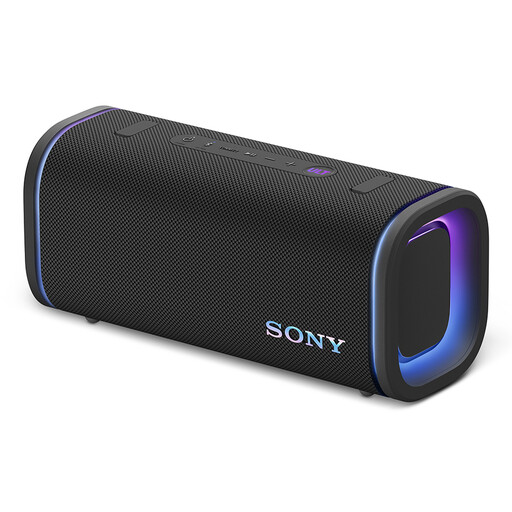
Why it suits this profile: Sony says this model is designed to deliver more powerful sound outdoors. Its claimed 25-hour battery life, IP67 rating and USB phone-charging function make it a good fit for long days outside.
Its suitability for outdoor use is backed up by verifiable details such as IP67, battery life, dimensions and a weight of 3.3 kg.
Up to 25 hours according to the product information, IP67, ULT sound modes, 3.5mm socket and lighting.
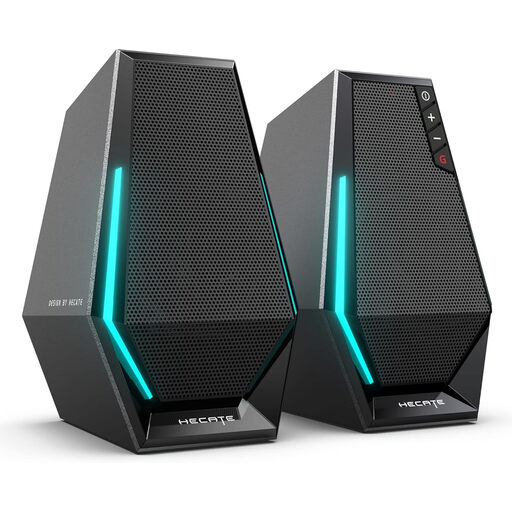
Why it suits this profile: This Edifier speaker is designed for a computer setup and works via Bluetooth 5.3, USB or 3.5mm AUX. The lighting and sound modes are well suited to gaming and desktop use.
Its connections and USB power supply make it easier to understand how it works than a speaker that only operates wirelessly. You can switch off the RGB lighting using the controls.
Bluetooth, USB and AUX, five RGB lighting effects, three sound modes and two full-range drivers.
We’ve put together a complete, up-to-date list of products that meet these strict selection criteria and the applicable European safety regulations.
Switch on the speaker and activate pairing mode. Then open the Bluetooth settings on your smartphone and select the speaker’s name. On some Sony models, Fast Pair can speed up the process on supported Android devices. If it won’t connect, remove the speaker from your list of saved devices and try again.
Its lifespan depends on the battery, charging cycles, enclosure and conditions of use. Avoid prolonged exposure to heat, let a wet speaker dry and use a suitable USB-C charger. Play time decreases over time, and the claimed number of hours isn’t guaranteed for every listening situation.
A portable speaker runs on its built-in battery while in use. It uses power mainly when charging. Higher volume, heavy bass settings and lighting can mean you need to charge it more often. If you use it every day, a clear battery indicator and a USB-C connection are practical features to consider when choosing a speaker.
