
Vandaag of morgen in huis

Kwaliteit gegarandeerd

Welkomstaanbiedingen ontgrendelen: GRATIS bezorging | Tot 80% korting | Gratis 30 dagen JoyPlus-proefperiode
Download de app
A Bluetooth speaker may seem easy to choose: check the power output, compare the price and place your order. Yet many buyers later find that their speaker has limitations. A compact speaker may sound perfectly good in a bedroom, for example, but fail to provide enough volume in a garden. “Waterproof” also does not automatically mean that every model is suitable for prolonged exposure to rain or pool water.
This buying guide will help you choose a wireless speaker based on verifiable specifications. That way, you can avoid paying mainly for lighting, marketing terminology or a high wattage claim that does not suit the way you intend to use it.
A higher RMS power rating may indicate greater volume headroom, but it does not tell you everything about the listening experience. The size of the drivers, the enclosure and the way low frequencies are reproduced also play a part. A small compact Bluetooth speaker with 5W is convenient for a picnic, while a larger model with multiple drivers is better suited to a living room or garden party.
So pay attention to:
“Up to 20 hours of playback” is usually a maximum manufacturer’s figure. Actual results depend on the volume, Bluetooth connection, audio content and any RGB lighting that is switched on. A speaker with long battery life is practical for a day outdoors, but also check the charging port, charging time and whether you can view the battery status.
The IP code consists of two numbers. The first indicates protection against solid particles, such as dust. The second relates to water. IP67 generally means, according to the product information, complete protection against dust and protection during temporary immersion under specified conditions. This makes a model suitable for many outdoor uses, but not automatically for salt water, high-pressure water jets or prolonged exposure to moisture.
Always follow the instructions in the manual. Extra care is advisable at the seaside, around a swimming pool or during heavy rain.
For music in a bedroom, kitchen or home office, a modest power output is often sufficient. For a Bluetooth speaker for outdoor use, you need more volume headroom, particularly when there is wind, traffic or background conversation.
A speaker with 360-degree sound distributes audio differently from a forward-facing model. If you want a wider stereo image, check whether the speaker supports stereo pairing or TWS. This function lets you pair two compatible speakers to create left and right channels.
Bluetooth 5.3 or 5.4 can provide a stable connection and easy pairing, but actual compatibility also depends on your smartphone, tablet or laptop. Useful extras include:
Wi-Fi, AirPlay 2 and multi-room features are mainly relevant for indoor use. A model with Bluetooth only is generally easier to take with you.
A portable Bluetooth speaker should suit the way you plan to carry it. An integrated loop or carrying strap is useful when cycling, walking or camping. Also check that the buttons are easy to reach and that the enclosure is resistant to dust and splashes.
If you are unsure, a slightly heavier model is not automatically impractical: a larger enclosure may allow for greater battery capacity and larger drivers. On the other hand, it may be less suitable for carrying around every day.
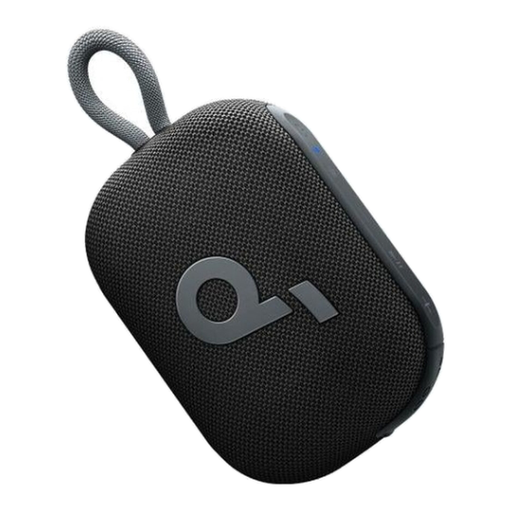
Why it suits this profile: Weighing 263.65 grams, this lightweight model is designed to be carried every day, for example when walking, cycling or visiting the park.
The product information states 5W audio output, IP67 protection and a floating design. So this speaker is not just small; it is also designed with outdoor use in mind.
Up to 20 hours of stated playback time, an integrated carrying strap and TWS pairing for two speakers.
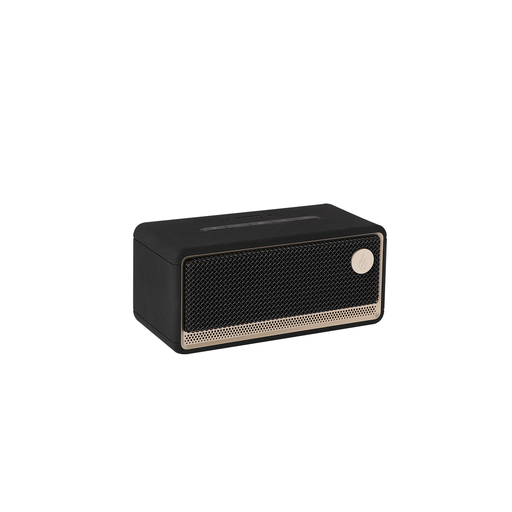
Why it suits this profile: The combination of Bluetooth, Wi-Fi, AirPlay 2, USB and AUX is ideal for listeners who want to use one fixed speaker with multiple sources.
You do not have to rely solely on a wattage claim: the product specifications list a 4-inch mid-bass driver, two tweeters and a total RMS power output of 60W.
Hi-Res Audio certification, multipoint for two devices, multi-room audio via AirPlay 2 and up to 12 hours of battery life.
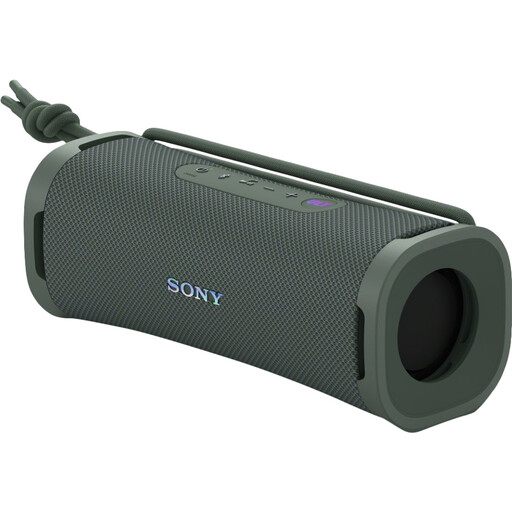
Why it suits this profile: This model is designed for users looking for a portable speaker for travel, the garden, camping and other outdoor occasions.
The stated IP67 rating is combined with protection against dust, water and shocks. However, always follow the limits set out in the manual and avoid prolonged contact with salt water.
30W RMS, up to 12 hours of battery life, USB-C and a function for pairing with a second speaker.
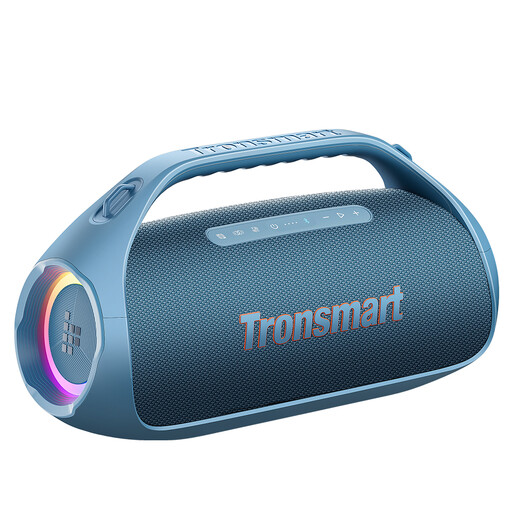
Why it suits this profile: The handle, detachable carrying strap and stated power output make it suitable for larger gatherings in the garden or another outdoor location.
The IPX6 rating indicates that the model has been tested against powerful water jets according to the stated standard, but is not designed to be submerged.
90W stated power output, up to 26 hours of playback without lighting at 50% volume and TWS pairing.
We have put together a complete, up-to-date list of products that fully meet these strict selection criteria and the applicable European safety regulations.
Switch on the speaker and activate pairing mode. Then open the Bluetooth settings on your smartphone, tablet or laptop and select the speaker’s name. With some models, such as Sony speakers with Fast Pair, the first connection may be quicker on supported Android devices. If you experience problems, consult the manual and, if necessary, remove an old pairing.
This varies by model and usage. The stated figures in the product information range from approximately 9 to 26 hours. Volume, lighting, Bluetooth codec and audio content all affect actual playback time. For regular outdoor use, it is sensible to choose a model with additional battery capacity rather than one offering exactly the minimum playback time you need.
Only if both speakers support the same pairing technology, such as TWS or stereo pairing. Check whether they are the same model or belong to a compatible product series. Two random Bluetooth speakers will not automatically work as left and right channels.
