
Vandaag of morgen in huis

Kwaliteit gegarandeerd

Welkomstaanbiedingen ontgrendelen: GRATIS bezorging | Tot 80% korting | Gratis 30 dagen JoyPlus-proefperiode
Download de app
A Bluetooth speaker might seem easy to choose: set your budget, check the power output and click to order. But disappointment often comes from specifications that haven’t been read carefully. A compact speaker, for example, might be handy on a bike ride but not loud enough for a garden party. A model with long battery life might also be heavier than you expect.
This buying guide helps you compare sound quality, portability, battery life, connections and protection against water and dust.
Higher wattage doesn’t automatically mean a speaker sounds better. The enclosure, speaker configuration, tuning and positioning also affect the result. Check whether the stated power is RMS or peak power. RMS gives you a more useful indication of continuous output power.
A compact speaker is often enough for background music in a bedroom or kitchen. For a larger room or outdoor use, a model with multiple speakers, a woofer and higher RMS power may be more suitable.
A waterproof Bluetooth speaker usually has an IP rating. With IP67, the first digit, 6, means the enclosure is completely dust-tight. The 7 refers to temporary immersion under certain conditions, usually to a specified depth and for a set time according to the product standard.
This doesn’t mean you can leave the speaker underwater for a long time. Close any covers securely before using the speaker outdoors, and don’t charge it while it’s wet. Salt water, chlorinated water and high-pressure jets may also fall outside the intended protection.
A claim such as ‘up to 20 or 25 hours’ depends on volume, audio content, connections and lighting. An outdoor speaker with LED effects may have a noticeably shorter play time. So don’t just look at the highest figure: check whether the speaker charges via USB-C, has a battery indicator and can also work as a power bank.
For a speaker to take with you, weight and size are just as important as play time. A model weighing a few hundred grams is easier to fit in a bag than a speaker weighing several kilos. A portable Bluetooth speaker with a carry strap or loop is also handy for a walk, bike ride or holiday.
Look out for the differences between:
For the beach, camping and sports activities, the IP rating, sealed connections and sturdy casing all matter. An IP67 speaker is, according to its rating, dust-tight and protected against temporary immersion. An IP66 model is also dust-tight, but its water protection is based on powerful jets of water rather than immersion.
Always check the manufacturer’s instructions. The rating generally only applies when covers and ports are properly closed.
Bluetooth 5.2 or 5.3 can provide a modern wireless connection, but compatibility also depends on your smartphone, tablet or laptop. Check for additional connections too:
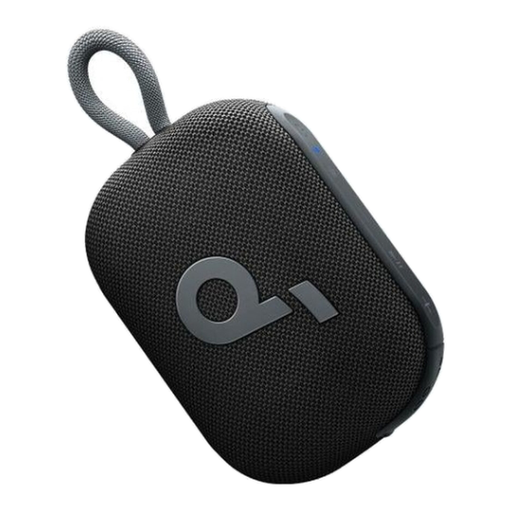
Why it suits this profile: This compact speaker is designed for anyone looking for a simple option at home, on the go or for a day outdoors.
The product information states a 20-hour battery life, IP67 protection and a weight of around 264 grams. This makes it easy to see the trade-off between portability and size before you buy.
5 W sound output, IP67, floats according to the product description, and TWS pairing.
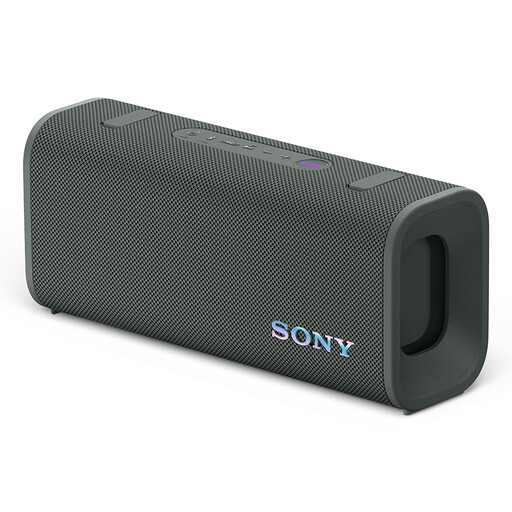
Why it suits this profile: A good choice if you’re looking for a portable speaker with adjustable sound, protection for outdoor use and enough power for larger spaces.
The specifications list a 24-hour battery life, a weight of 1.2 kg, IP67 and a 7-band equaliser. This makes it easier to weigh up sound quality against portability.
27 W RMS, USB-C, 3.5 mm audio input, power bank function and support for pairing with other speakers.
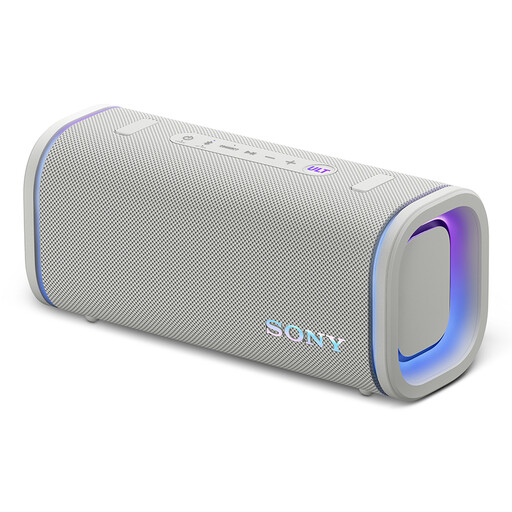
Why it suits this profile: This larger outdoor speaker is a good fit for garden parties, holidays and anyone who prioritises volume, bass and long play time.
Its weight of 3.3 kg and its dimensions make it clear that this isn’t an ultra-compact speaker for every bag. In return, it offers a stated battery life of 25 hours.
27 W RMS, IP67, 3.5 mm input, USB-C and a function for charging a smartphone.
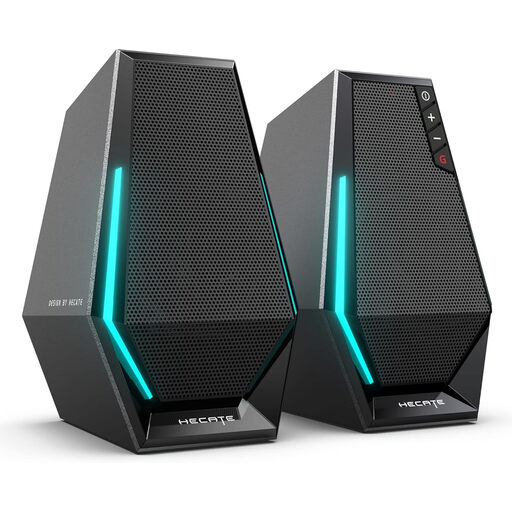
Why it suits this profile: A sensible choice for a desk, laptop or gaming set-up where mains power and multiple connections matter more than portability.
The product description lists Bluetooth 5.3, USB and 3.5 mm AUX. This means you’re not limited to a single connection method.
Two 2.5-inch drivers, 10 W peak power, USB power and several sound modes.
We’ve put together a complete, up-to-date list of products that meet these strict selection criteria and current European safety regulations.
Switch on the speaker and activate pairing mode. Then open the Bluetooth settings on your smartphone, tablet or laptop and select the speaker’s name. The connection will often happen automatically next time, as long as Bluetooth is switched on. Remove old pairings if the speaker doesn’t appear.
Play time per charge varies by model and usage. The product details for the models mentioned list around 6 to 25 hours, but volume, lighting and audio content all have an impact. The lifespan of the built-in battery depends on charging cycles, heat, storage and use. Don’t leave the speaker fully discharged for long periods or in direct sunlight.
A speaker uses relatively little energy while playing music, but consumption varies depending on its power and volume. A portable speaker runs on a rechargeable battery, so the main energy use comes from charging it. A larger speaker with lighting or higher volume will generally use more energy than a compact speaker.
