
Vandaag of morgen in huis

Kwaliteit gegarandeerd

Welkomstaanbiedingen ontgrendelen: GRATIS bezorging | Tot 80% korting | Gratis 30 dagen JoyPlus-proefperiode
Download de app
A Bluetooth speaker may seem easy to choose: select a model, connect your phone and press play. Yet many purchases fail to live up to expectations. A compact wireless speaker may not deliver enough volume in a large living room, while a heavy party speaker is awkward to take on a bike ride. Specifications are also sometimes presented in a way that makes important differences less obvious.
Pay particular attention to these three pitfalls:
Bluetooth 5.3, 5.4 or 6.0 can provide a modern connection, but the experience also depends on your phone, tablet or laptop. So check:
A Bluetooth speaker with wireless connectivity only is convenient for everyday use. For a television, PC or games console, a wired connection can sometimes provide lower latency. With a TV soundbar, HDMI ARC or eARC, optical audio and compatibility with your television are more important than Bluetooth alone.
A Bluetooth speaker with long battery life is practical for a day outdoors, but check the conditions behind the claim. The Sony SRS-XB100, for example, states a battery life of up to 16 hours. The Tronsmart Bang 2 states up to 26 hours with the lighting switched off and the volume at around 50 per cent; according to the product information, this can be considerably lower with the lighting on.
For a quiet evening at home, 8 to 10 hours is often sufficient. For camping, a garden party or a long bike ride, a larger battery, USB-C charging and a battery indicator are useful features. Bear in mind that extra bass, high volumes and RGB lighting can use more power.
The IP code consists of two numbers, or a number and an X. The first character indicates protection against dust; the second indicates protection against water. According to the product specification, an IP67 waterproof speaker is dust-tight and designed for temporary immersion in fresh water up to the stated limit. This makes such a model suitable for rain or an accidental splash near the pool, but not for use under high water pressure.
According to its product description, an IP66 model such as the Edifier ES60 is dust-tight and resistant to water jets. An IPX6 model such as the Tronsmart Bang 2 offers protection against powerful water jets, but has no stated dust rating. Always follow the manual and close the charging ports securely before using the speaker outdoors.
A portable Bluetooth speaker is primarily about weight, portability and battery life. A portable speaker for taking out and about does not need to be the same as a party speaker for ten to twenty-five people. For use at home, larger drivers and multiple connections may be more important than a carrying strap.
For watching TV, a TV soundbar and a separate subwoofer make more sense. A system with Dolby Atmos, HDMI eARC or surround speakers may be suitable for films and games, but first check that your TV and streaming devices support the required standards. For gaming, low latency, clear dialogue and a direct PC connection are often more practical than simply having a high maximum power output. If you prefer a classic setup, you could also consider stereo speakers or passive bookshelf speakers; these usually require a separate amplifier.

Why it suits this profile: This compact model is easy to carry and designed for everyday listening at home, on the go or while out for a walk.
The product information states 16 hours of battery life, a battery indicator and IP67 dust and water protection. This makes the key conditions of use clear.
Bluetooth 5.3, USB-C, 274 grams, carrying strap and support for pairing with a second speaker.
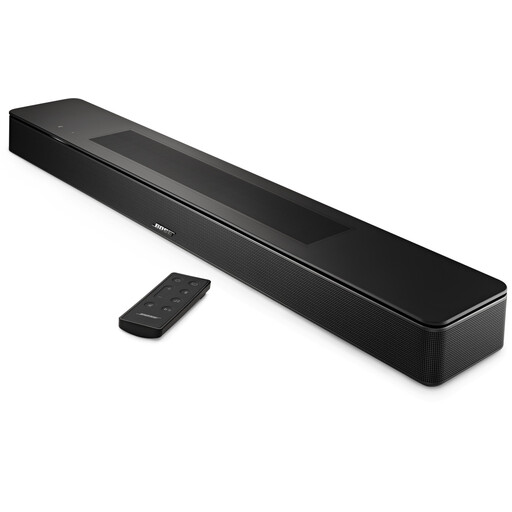
Why it suits this profile: A suitable choice for anyone who wants to combine TV sound and streaming in one compact soundbar.
The product description lists Bluetooth, Apple AirPlay 2, Spotify Connect and Chromecast. Check beforehand which streaming features you actually use.
Dolby Atmos according to the product description, five drivers and a dedicated mode for clearer dialogue.
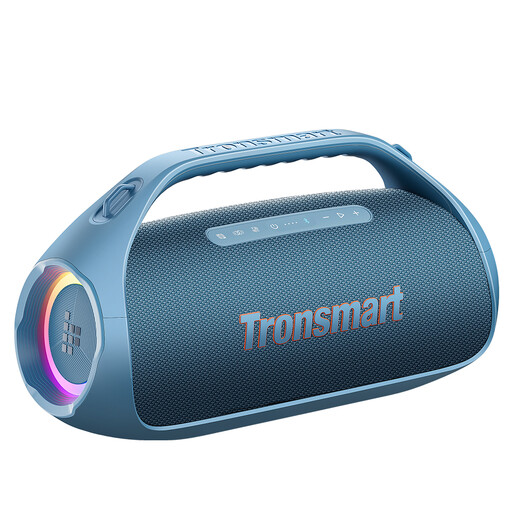
Why it suits this profile: Designed for larger gatherings, outdoor use and users who want to combine portability with a higher stated output.
The product information distinguishes between playback time with and without lighting. It also states IPX6; this is not a dust rating.
Stated power output of 90 W, Bluetooth 5.3, TWS pairing, handle, carrying strap and an 18,000 mAh battery.
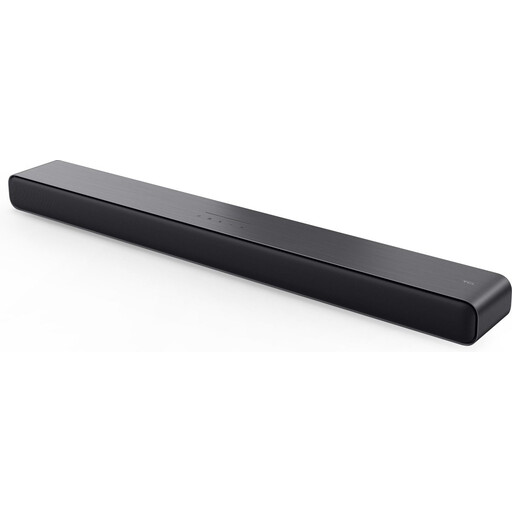
Why it suits this profile: A fixed solution for TV, films and gaming when you do not want to place a separate wireless speaker in the room.
The connections are clearly listed: HDMI, optical, AUX and USB. However, check that your television supports ARC or eARC for the connection you want.
2.0-channel system, 25 W RMS, Bluetooth 5.2, HDMI eARC and support for Dolby Atmos and DTS:X formats.
We have compiled a complete, up-to-date list of products that fully meet these strict selection criteria and the applicable European safety regulations.
Switch on the speaker and activate pairing mode according to the manual. Then open the Bluetooth settings on your phone and select the speaker’s name. If the model does not appear, check whether it is already connected to another device. On some Android devices, models such as the Sony SRS-XB100 support quick pairing.
Usage time per charge is separate from the product’s overall lifespan. Battery life is affected by volume, lighting and audio content. To extend the speaker’s lifespan, avoid exposing it to extreme heat for prolonged periods, use the correct USB-C charger and follow the manufacturer’s charging and safety instructions.
While playing audio, a portable speaker draws power from its built-in battery. Consumption generally increases at higher volumes, with extra bass and when the lighting is on. A model with USB-C and a battery indicator makes charging easier to keep track of. A TV soundbar uses mains electricity and may therefore manage energy differently from a portable speaker. For fixed systems, check the manufacturer’s information on standby and usage.
