
Vandaag of morgen in huis

Kwaliteit gegarandeerd

Welkomstaanbiedingen ontgrendelen: GRATIS bezorging | Tot 80% korting | Gratis 30 dagen JoyPlus-proefperiode
Download de app
A Bluetooth headset might seem straightforward to choose at first glance. Yet small differences in fit, water resistance and battery life can determine whether you use it every day or it ends up in a drawer after a few weeks. The same goes for wireless earbuds, a sports headset and a noise cancelling headphone.
Pay particular attention to three common pitfalls:
For everyday use, in-ear earbuds are compact and easy to carry. They partially seal the ear canal, which can reduce outside noise. An open-ear headset or bone conduction headset, on the other hand, lets more ambient sound through. This can be practical when walking, cycling or running, but traffic noise remains something to be aware of.
An ear-hook design can stay more secure during fitness or running than loose Bluetooth earbuds. Also check the weight, the shape of the ear hook and whether different sizes of ear tips or cushions are included.
The letters IP stand for a standardised level of protection against dust and water. The first digit relates to solid particles, the second to moisture. IPX4, for example, means protection against splashes, while IPX7 indicates protection against temporary immersion. IP68 is used by manufacturers for higher dust and water protection, but the exact test conditions can vary.
Only use a product for swimming when the product information clearly states this. With a swimming headset, also check whether Bluetooth can work underwater. Bluetooth signals have a limited range in water. That's why some models come with a built-in MP3 player or internal memory.
After using a headset in chlorinated or salt water, rinse it with clean water and let it dry completely before charging. A magnetic charging connector must not be damp.
Don't just compare the playtime of the earbuds, but also that of the charging case. Pay attention to the charging port, support for wireless charging and the time needed for a partial charge.
A headset with a microphone is useful for working from home, phone calls and online meetings. Check whether the microphone is in the ear cup or housing and whether call controls are present. For gaming, low latency is also important. With a model that has a built-in MP3 player, you don't need a phone connection during exercise, but you do need to be able to transfer music to the device beforehand.
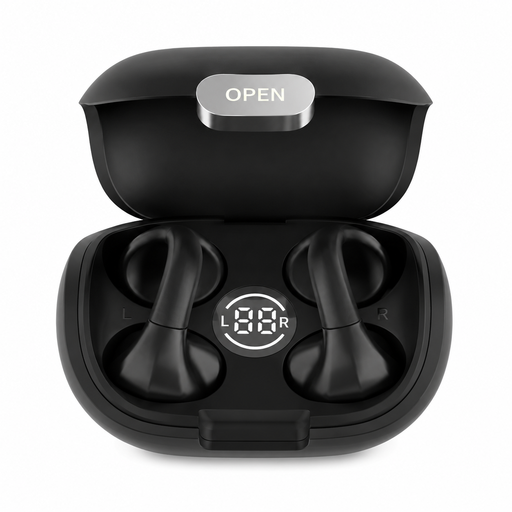
Why this fits the profile: This compact model has Bluetooth 5.4, touch controls and a charging case. The stated playtime is around 5 to 7 hours and the connection has a range of up to 15 metres according to the product information.
The specifications mention an ear hook and instructions for a secure fit. This makes it clearer what this model is intended for than a general claim like "sporty". According to the information, the product is not designed for prolonged exposure to moisture.
Bluetooth 5.4, 300 mAh charging case, touch controls and a stated wireless range of up to 15 metres.

Why this fits the profile: This model is designed for everyday use and includes active noise cancellation, transparency mode, wireless charging and support for voice control.
The product information lists both noise cancelling and a transparency mode. This means you can choose between less ambient sound and more awareness of your surroundings. The IPX4 rating is intended for splashes, not immersion.
Active noise cancellation, transparency mode, wireless charging and three sizes of ear tips.
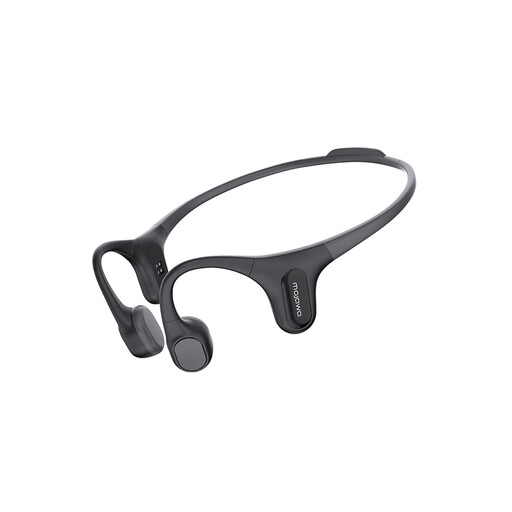
Why this fits the profile: The product name and listing mention an open-ear design, 32 GB MP3 storage and IP68 water protection. This suits running, cycling, fitness and, according to the listing, swimming too.
The built-in storage means you don't need a constant Bluetooth connection during activities. For swimming, do check the usage instructions and let the magnetic connector dry completely.
32 GB internal storage, open-ear bone conduction design and IP68 according to the product listing.
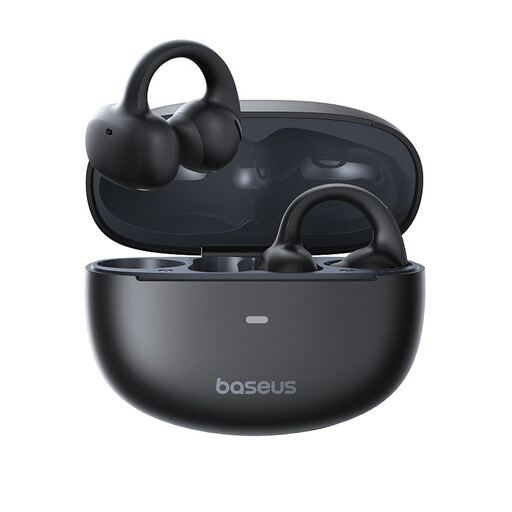
Why this fits the profile: The clip design and open-ear style are intended for people who want to listen to music without fully sealed ear cups. Bluetooth 5.4 and USB-C charging suit daily mobile use.
The product information clearly states that this model is not waterproof. This makes the choice clear: suitable for dry everyday use, but not for rainy sports or swimming.
Open-ear clip design, Bluetooth 5.4, USB-C port and a stated range of 10 metres in an open environment.
We've put together a full, up-to-date list of products that fully meet these strict selection criteria and comply with current European safety regulations.
Turn on Bluetooth on your smartphone, open the Bluetooth settings and put the headset into pairing mode. Then select the product name from the list. With some models, you first need to press and hold a button on the case or headset. If pairing doesn't work, remove a previous connection and try again.
Battery life varies by model and usage. Noise cancelling, high volumes and lots of phone calls can reduce usage time. So pay attention to both the stated playtime per charge and the capacity of the charging case. The product's lifespan also depends on charging cycles, moisture, drops and storage.
For running, a secure fit, ear hooks or an open-ear design are practical features. When cycling or walking in traffic, you need to stay aware of your surroundings. For swimming, you need a model whose product information explicitly states this, ideally with internal music storage. A standard wireless headset with IPX4 is not suitable for that.
