
Vandaag of morgen in huis

Kwaliteit gegarandeerd

Welkomstaanbiedingen ontgrendelen: GRATIS bezorging | Tot 80% korting | Gratis 30 dagen JoyPlus-proefperiode
Download de app
Buying Bluetooth headphones seems simple: choose a model with plenty of battery life, noise cancellation and an attractive price. But many buyers later find they have to compromise. A pair of headphones might seem comfortable, for example, but start to feel tight after an hour. Or a product may promise long battery life, but only deliver it with active noise cancellation switched off.
This buying guide will help you choose wireless headphones based on verifiable specifications and how you plan to use them.
The stated battery life is usually a maximum. The actual playback time of headphones with long battery life may be shorter when you use active noise cancellation, listen at high volumes, make phone calls or use a high-bitrate Bluetooth codec.
So check:
For example, the Marshall Major V lists over 100 hours of playback and up to 15 extra hours of use after a 15-minute charge. These are the manufacturer’s figures under specified conditions; your results may vary.
Active noise cancellation, often known as ANC, uses microphones and electronics to reduce background noise. How well it works varies by frequency and fit. Low, constant sounds such as the rumble of a train or plane may be handled differently from voices or sudden noises.
So noise-cancelling headphones won’t necessarily suit every setting. Check whether they also have a transparency or ambient mode. This can be useful in the street, at the office or while travelling, as it helps you stay more aware of the sounds around you.
Over-ear headphones surround your ears and generally offer more passive sound isolation. However, they can feel heavier and warmer. On-ear headphones rest on your ears and are often more compact, but the pressure on your ears varies from person to person.
Open-ear headphones, ear-clip models and bone conduction headphones leave your ears mostly uncovered. This can be comfortable when walking, cycling or exercising, but it also means you’ll hear more of your surroundings. For a quiet train journey or focused work, closed-back over-ear headphones may be a better choice.
Don’t compare battery life alone. Check the weight, whether the headband is adjustable and what the ear cushions are made from. According to the product information, the Sony WH-CH520 weighs 147 grams, while the Sony WH-CH720N weighs 192 grams. This difference may matter if you carry your headphones with you every day.
For a Bluetooth headset, check the microphone quality and controls too. If you make a lot of calls, a clear microphone is more important than an extra audio mode. For home use, a heavier model with roomy cushions may be more comfortable.
Bluetooth 5.x mainly tells you about the connection technology; it doesn’t automatically indicate sound quality. Also check which codecs are supported, such as SBC, AAC, LC3 or aptX, and whether your smartphone or laptop supports them.
A multipoint Bluetooth headset can stay connected to two devices at once. This is useful if, for example, you work on your laptop and want to take calls on your smartphone. The Sony WH-CH720N, Marshall Major V and Sonos Ace list multipoint support in their product specifications.
Latency matters for gaming. Look for a dedicated low-latency mode and check that it works with your device. A standard Bluetooth connection can cause a slight delay with video or games.
An IP rating has two digits. The first relates to protection against solid particles, and the second to water. A higher water-resistance rating doesn’t mean every product is suitable for swimming. Always check the full IP rating and any restrictions on use.
Sports headphones should also stay securely in place. Open-ear models with ear hooks or a neckband may suit running and cycling, but they usually offer less sound isolation than closed-back models. When taking part in traffic, only use a product and volume setting that allow you to stay sufficiently aware of your surroundings.
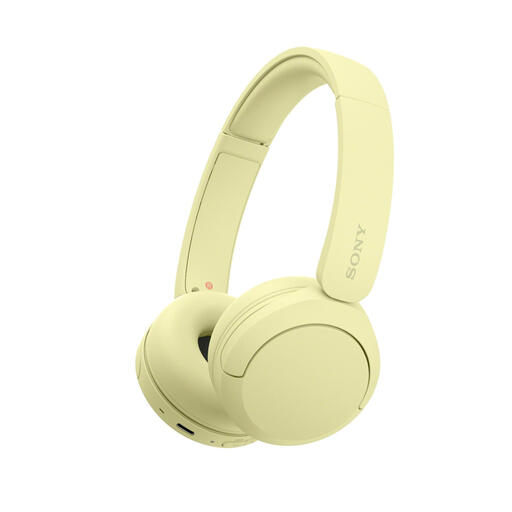
Why it suits this user: This lightweight on-ear model is designed for everyday listening, travel and calls. The product specifications list a weight of 147 grams, multipoint connectivity and up to 50 hours of battery life.
The specifications clearly state the weight, battery life and multipoint connectivity, so you can decide in advance whether the model suits your everyday needs.
147 grams, USB-C, a microphone and connectivity with two devices, according to the product information.

Why it suits this user: Closed-back over-ear headphones for home, travel and focused listening, with ANC, multipoint connectivity and support for several codecs.
The product specifications list ANC, transparency mode, multipoint connectivity and up to 30 hours of battery life separately.
Bluetooth 5.4, USB-C audio, a 3,5mm cable, microphones and active noise cancellation, according to the product information.
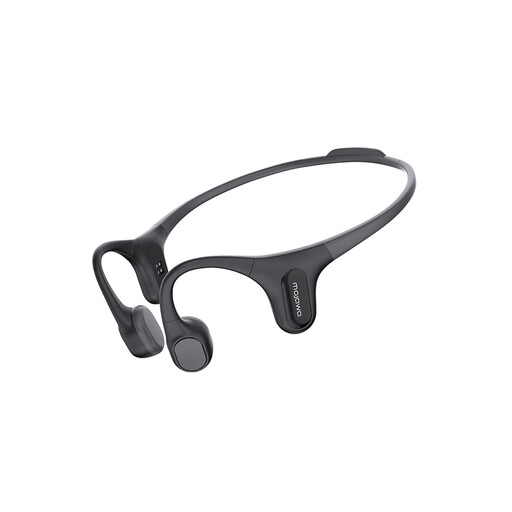
Why it suits this user: Open-ear bone conduction headphones for running, fitness and situations where you want to stay aware of your surroundings.
The product name and description mention an open design, a secure fit and IP68 water resistance. Always check the latest instructions before swimming.
Open-ear design, 32 GB MP3 storage and an IP68 rating, according to the product information provided.
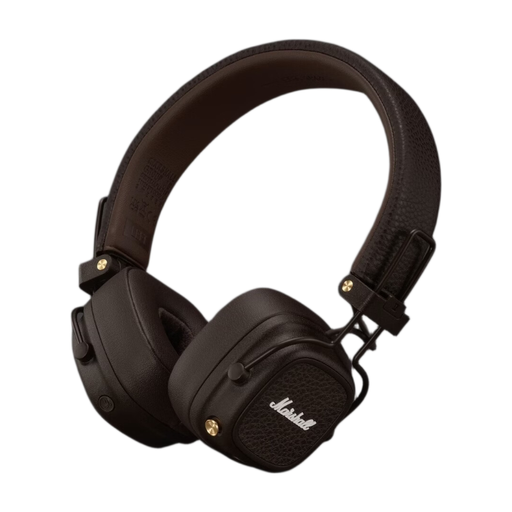
Why it suits this user: Foldable on-ear headphones for travellers and anyone who wants to charge less often.
As well as wireless listening, the manufacturer lists wired use, fast charging and multipoint connectivity. Check that the on-ear fit is comfortable for longer sessions.
Over 100 hours of stated playback time, Bluetooth 5.3, multipoint connectivity and wireless charging, according to the product description.
We’ve put together a full, up-to-date list of products that meet these strict selection criteria and the applicable European safety regulations.
Switch on the headphones and activate pairing mode. Then open the Bluetooth settings on your smartphone and select the product name. If you have multipoint Bluetooth headphones, connect the first device and then the second, following the instructions. Check that both devices are compatible.
Battery life depends on battery capacity, charging habits, volume and features such as ANC. Batteries also degrade over time. Keep your headphones dry, avoid extreme temperatures and use a suitable cable for charging. A model with a wired option can still be used when the battery is flat, but the battery itself usually can’t easily be replaced by the user.
Bluetooth uses power from the built-in battery and draws very little energy from your smartphone while you listen. So the main ongoing costs are usually limited to electricity for charging and any replacement headphones or accessories. When buying, also check the warranty, charging cable, carrying case and availability of spare parts.
