
Vandaag of morgen in huis

Kwaliteit gegarandeerd

Welkomstaanbiedingen ontgrendelen: GRATIS bezorging | Tot 80% korting | Gratis 30 dagen JoyPlus-proefperiode
Download de app
Bluetooth earbuds are handy for music, phone calls, commuting and exercise. But a long list of features doesn’t automatically mean a model is right for you. A low price may be tempting, but the fit might disappoint. A high IP rating may inspire confidence, but it may apply only to the earbuds, not the charging case.
With this buying guide, you can compare wireless in-ear earbuds, true wireless earbuds and wired alternatives using verifiable specifications. That way, you won’t pay for features you’re unlikely to use.
The stated battery life may refer to total use with the charging case, rather than a single charge. So always check both figures:
For example, a model with 36 hours of total battery life may offer 7.5 hours per charge. That’s enough for everyday use, but it’s not the same as 36 hours of continuous listening.
Check the IP rating. IPX4 generally means protection against splashes, but not submersion. On some models, this protection applies only to the earbuds, leaving the charging case vulnerable to rain or water.
You should always check a higher rating, such as IPX5, IPX7 or IP54, alongside the product description. According to the manufacturer’s product information, some models can withstand sweat or rain, but that doesn’t automatically make them suitable for swimming. Also check that the charging port is dry before connecting a USB-C cable.
Noise-cancelling earbuds usually use ANC to reduce background noise for the listener. ENC, or microphone noise cancellation, is mainly designed to make your voice clearer during calls. These are different features.
Claims such as “blocks a certain percentage of background noise” come from the product description or the brand’s own research. Treat them as product specifications, not a guarantee of performance on every train, street or in every office.
Bluetooth 5.4 earbuds are compatible with many modern smartphones, tablets and laptops. However, the Bluetooth version alone doesn’t determine overall sound quality. Also check the supported codecs, connection range and whether you can pair with multiple devices.
Check the operating system too. Features such as an app, equaliser, voice assistant or quick pairing may vary between phones. With Apple products, certain features may be designed primarily for devices in the Apple ecosystem.
In-ear earbuds partially seal the ear, which can help block out more background noise. Semi-in-ear models feel less enclosed to some users, but may come loose more easily during exercise. An open-ear design lets in more surrounding sound, which can be useful when walking or cycling.
Check whether different-sized ear tips are included. A good fit affects comfort, sound quality and passive noise isolation. A heavy model may become uncomfortable over time; specifications such as 3.6 or 3.8 grams per earbud can give you a useful indication.
A USB-C port is handy if you use the same cable for your phone and other devices. Check whether a cable is included. For calls, look at the number of microphones and the description of the call noise reduction.
For exercise, a clear IP rating, secure fit and sweat resistance matter more than a particularly powerful bass sound. Always follow the manufacturer’s usage and safety instructions.
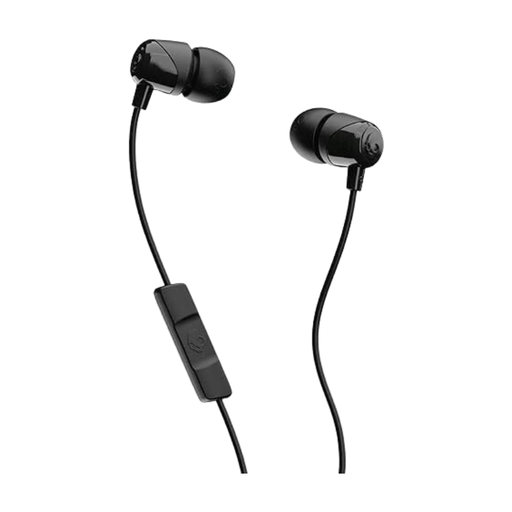
Why it suits this profile: These wired in-ear earbuds are a simple choice for music and calls, with no charging or Bluetooth pairing required. The 3.5mm connection works with compatible smartphones, tablets and computers.
There are no unclear battery-life claims or charging times to compare. The built-in microphone and cable are ready to use, provided your device has a compatible connection.
3.5mm connection, inline microphone and a weight of 18.14 grams according to the product information.
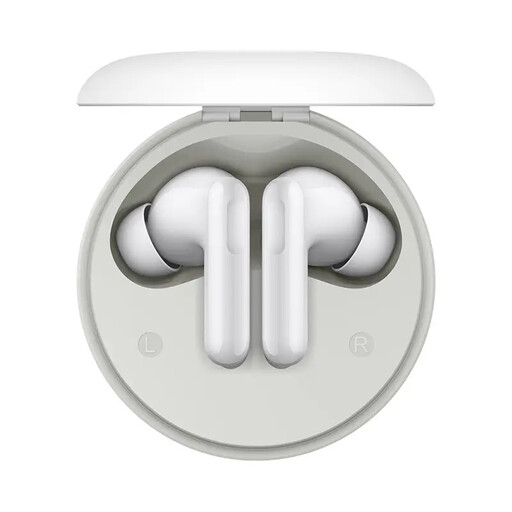
Why it suits this profile: This model is aimed at listeners who value active noise cancellation, a large driver and long total battery life for travel, work and everyday listening.
The product information lists separate Noise Cancelling, Transparency and Off modes. This lets you adjust the feature to suit a quiet room or a setting where you want to hear more around you.
12.4mm driver, up to 49 dB of active noise cancellation according to the product description, and up to 42 hours of battery life with the charging case.
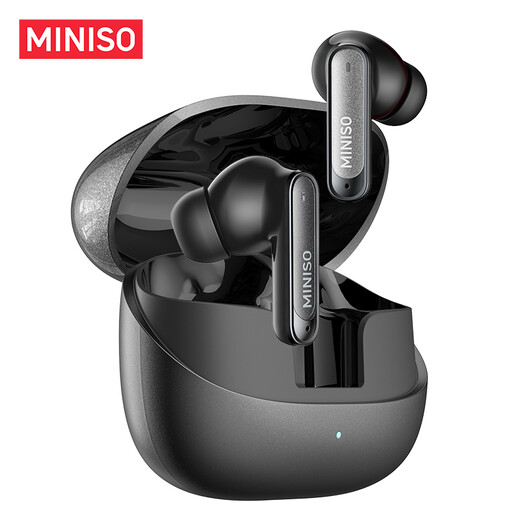
Why it suits this profile: The true wireless design, multiple microphones, touch controls and charging case make these earbuds well suited to exercise, commuting and frequent calls.
The product description states an IPX5 rating for protection against sweat and rain. According to the manufacturer, this does not protect against swimming or submersion.
Up to 55 hours of total battery life according to the product information, a 10mm driver and six microphones for call noise reduction.
Wireless earbuds are handy if you don’t want a cable and are often on the move. However, they need charging and may depend on Bluetooth compatibility. Wired models, such as USB-C or 3.5mm earbuds, don’t need a battery in the earbuds. For USB-C models, check that your device supports audio over USB-C.
For everyday calls, earbuds with a microphone and physical or touch controls are useful. Active noise cancellation can be valuable for travel, while a suitable IP rating and secure fit may matter more than extra audio features when exercising.
We’ve put together a complete, up-to-date list of products that meet these strict selection criteria and the applicable European safety requirements.
Open the charging case or switch on the earbuds, then activate pairing mode according to the instructions. Next, open the Bluetooth settings on your smartphone and select the product name. If the model has been paired before, you may need to remove it from the Bluetooth list first.
Battery life per charge varies by model and listening mode. Batteries lose capacity over time due to charging cycles and heat. So avoid storing your earbuds for long periods in extreme temperatures and use the recommended charging accessories.
That depends on the microphone, fit and IP rating. Check whether the model has a built-in microphone and whether its protection against sweat or splashes is clearly stated. An IPX4 model isn’t automatically suitable for heavy rain or submersion.
