
Vandaag of morgen in huis

Kwaliteit gegarandeerd

Welkomstaanbiedingen ontgrendelen: GRATIS bezorging | Tot 80% korting | Gratis 30 dagen JoyPlus-proefperiode
Download de app
Bluetooth audio equipment makes listening to music, watching films and video calling a breeze. However, a long battery life or a high Bluetooth version doesn't automatically mean a product will suit your needs. A compact Bluetooth speaker, for example, might be handy for on-the-go use, but could lack the volume needed for a living room. A noise-cancelling headphone can be a pleasure on the train, while an open design might be safer when cycling.
The right choice, therefore, starts not with marketing jargon, but with the specifications and your daily usage.
Brands often quote a maximum playtime. That figure can vary depending on volume, codec, noise cancellation and use of a charging case. So, check whether the stated battery life applies to the earbuds themselves, the case, or both together.
A product with a long battery life is especially practical if you travel regularly or don't have a power socket nearby. Also look at the charging time and the type of connection, such as USB-C.
Bluetooth 5.3, Bluetooth 5.4 or Bluetooth 6.0 can contribute to a modern connection, but the version alone doesn't determine sound quality. The supported audio codecs, speakers, microphones and software also play a part.
Also pay attention to compatibility with your phone, tablet, laptop or television. A multipoint connection is useful if you want to switch quickly between, say, a laptop and smartphone, but not every device supports this feature in the same way.
A rating like IPX5 doesn't mean a product is suitable for submersion. IP classifications refer to specific conditions. Always check the full product information and safety warnings.
Water-resistant earbuds for sport or rain are different from Bluetooth audio equipment for swimming. With a bone conduction headphone featuring a swim mode, you need to check whether audio is played via internal memory and whether Bluetooth is actually usable while swimming. Bluetooth signals work poorly underwater.
A wireless headphone covers or rests on the ears and is often suitable for longer listening sessions. An on-ear model is generally more compact, but lets in more ambient noise. Bluetooth earbuds and wireless earbuds are lightweight and easy to carry, but the fit varies from ear to ear.
For cycling or running, an open design, such as a bone conduction headphone, can help you stay aware of surrounding sounds. Always keep the volume at a safe level and take regular breaks during prolonged listening.
Check whether the product supports Bluetooth, which version is stated, and whether there are additional connections. The Mlove A200 features Bluetooth 5.3 as well as a 3.5mm aux input, USB and TF card support. That can be handy when you don't want to listen exclusively wirelessly.
For home cinema use, HDMI ARC, optical input and Bluetooth are relevant. A soundbar for TV with HDMI ARC can also be operated via the television remote control, depending on compatibility.
A heavy headphone or large speaker isn't always practical for travel. Compare weight, dimensions, charging time and the stated playtime. With a Bluetooth speaker, the output power is only one factor: placement, housing and speaker configuration all influence the listening experience.
A wireless microphone, meanwhile, calls for different considerations. Check the interface, for example USB-C, the stated usage time and compatibility with your phone, computer, camera or live-streaming platform.
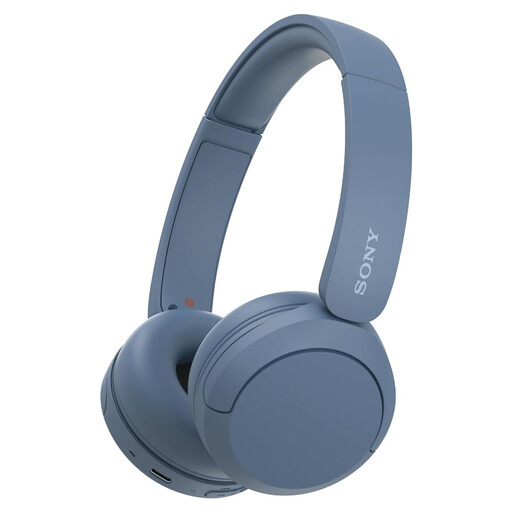
Why this fits the profile: A lightweight on-ear headphone for daily listening, working and travelling, with straightforward controls.
The product information states a weight of 147 grams, USB-C and multipoint connection. Check the current battery figures on the listing, as the stated values in product information may vary.
Bluetooth, microphone, AAC and SBC codecs, adjustable headband and multipoint connection.
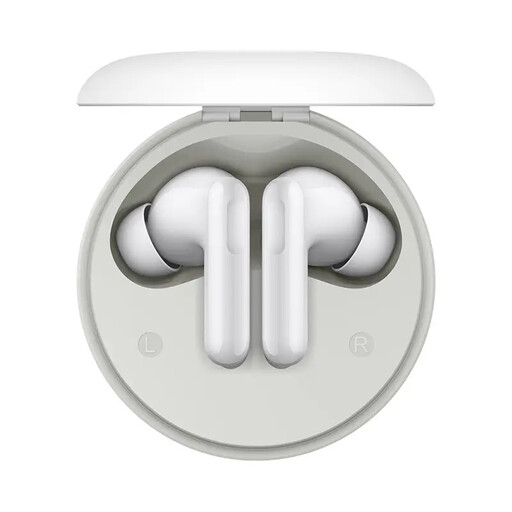
Why this fits the profile: For those looking for compact earbuds with active noise cancellation and control via app or touch.
The product description mentions 49 dB active noise cancellation and a transparency mode. Check the fit and settings; ANC doesn't work the same for everyone.
12.4mm driver, USB-C charging case, app support and a stated total battery life of 42 hours.
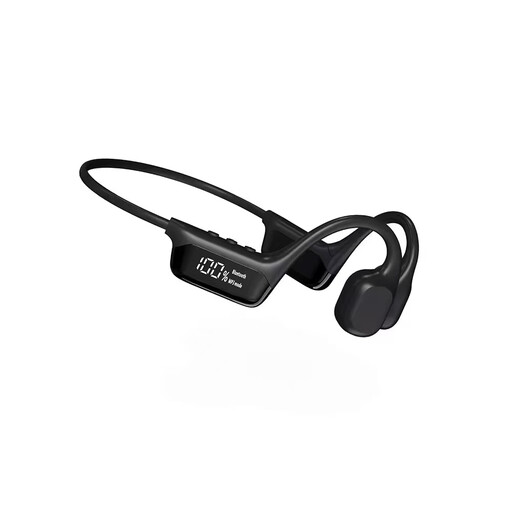
Why this fits the profile: Aimed at runners, cyclists and users who want to try an open-ear design.
The open-ear design doesn't block the ear canal. The product information mentions a swim mode; check the required MP3 or internal mode before use and ensure the charging port is completely dry.
Bluetooth 5.3, multipoint connection, NFC function, ear-hook design and a stated weight of 80 grams.
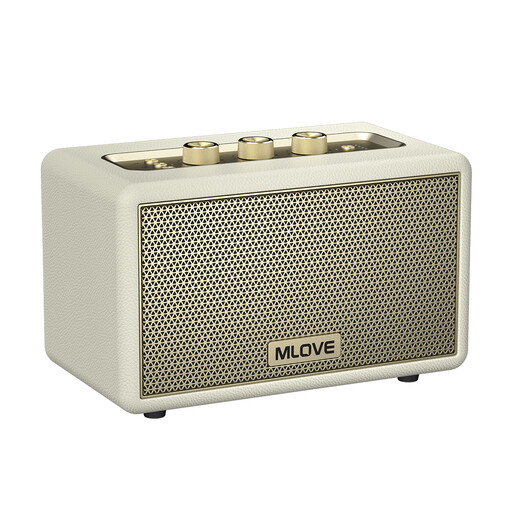
Why this fits the profile: A larger Bluetooth speaker for home, a study or a gathering where physical buttons are preferred.
The playtime is specified as approximately 8 hours for the battery version. Therefore, the claim of 24 hours doesn't necessarily apply to every usage scenario.
Bluetooth 5.3, USB-C, aux input, TF card slot, USB playback and TWS support.
We've put together a full, up-to-date list of products that fully meet these strict selection criteria and comply with current European safety regulations.
Turn on Bluetooth on your phone, put the headphone, earbuds or speaker into pairing mode, and select the product name from the list of available devices. With the Mlove A200, according to the product instructions, you press and hold the "M" button for about two seconds until the Bluetooth indicator flashes rapidly.
The lifespan depends on battery usage, charging habits, moisture, temperature and physical wear. Store earbuds in a dry place, use the supplied charging cable and avoid prolonged charging in a damp environment. With a charging case, the battery capacity usually decreases over time; so also check the warranty and returns policy.
ANC earbuds can reduce ambient noise, for example during travel or in the office. Their effectiveness depends on the fit, the type of noise and the software implementation. If you mainly listen at home, you might benefit more from comfort, a stable connection and a good microphone than from active noise cancellation.
