
Vandaag of morgen in huis

Kwaliteit gegarandeerd

Welkomstaanbiedingen ontgrendelen: GRATIS bezorging | Tot 80% korting | Gratis 30 dagen JoyPlus-proefperiode
Download de app
Bluetooth audio equipment is available for almost every situation: listening to music on the go, making calls at work, exercising, swimming, watching films or recording a livestream. However, a long product title tells you little about everyday use. A wireless headset may look comfortable, for example, but become too warm while travelling. A Bluetooth speaker may advertise high power output but have no battery. And a high IP rating does not automatically mean you can submerge every device.
As a Joybuy Product Recommendation Officer, I therefore start by checking verifiable specifications and only then look at additional features. This helps you avoid paying for marketing terms that do not match the way you intend to use the product.
Claimed playback time usually depends on volume, codec, active noise cancellation and whether a charging case is used. With wireless headphones, battery life may be lower with noise cancellation switched on than with it switched off. Check whether the manufacturer states playback time for each mode.
Also pay attention to the difference between:
Active noise cancellation (ANC) uses electronics to reduce ambient noise. Passive isolation is created by the ear cushions or earbuds themselves. Open-ear or bone conduction headphones work differently: you remain aware of your surroundings, but generally get less isolation from traffic or office noise as a result.
According to a brand’s own research, claims such as “up to -45 dB” or “blocks 99.7% of ambient noise” may have been measured under specific conditions. Treat such figures as product specifications from the product information, rather than a guarantee for every user.
An IPX5 rating indicates protection against water jets under specified test conditions. IPX7 generally refers to temporary immersion in accordance with the relevant test standard. This does not mean that a device is suitable for salt water, chlorinated water, diving or charging while wet.
For sports earbuds, sweat and splash resistance are relevant. For swimming, you should also check whether Bluetooth works underwater. Bluetooth signals travel only a limited distance through water. Headphones with a swimming mode may therefore require built-in storage or an MP3 mode.
Bluetooth 5.0, 5.3, 5.4 and 6.0 indicate the connection technology used, but they do not determine sound quality on their own. Also check:
Many models support SBC and AAC. Some products also list LDAC or another codec. Your phone and playback app must support that codec too. A frequency range of, for example, 20 Hz to 20 kHz is a technical indication, but it does not tell you exactly how a device will sound in your room.
With a soundbar with subwoofer, the number of channels, connection to the television and positioning are also more important than the total wattage alone.
A lightweight on-ear headset is practical for commuting, while an over-ear model may provide more isolation but be larger. Bluetooth earbuds need to stay securely in place when walking or cycling. Bone conduction headphones with an ear hook can be comfortable if you want to keep your ears clear.
Pay attention to:
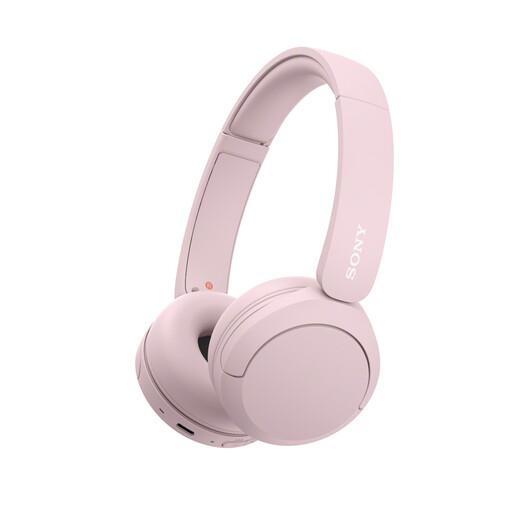
Why it suits this profile: This on-ear headset weighs 147 grams and features USB-C charging, a microphone and multipoint connectivity for your phone and laptop. The product information states up to 50 hours of battery life; another product specification lists 40 hours, so check the current offer.
The specifications list the weight, codecs, Bluetooth, microphone and multipoint connectivity. The different battery figures show why you should check the product page carefully.
147 grams; USB-C; AAC and SBC; multipoint connectivity; adjustable headband.
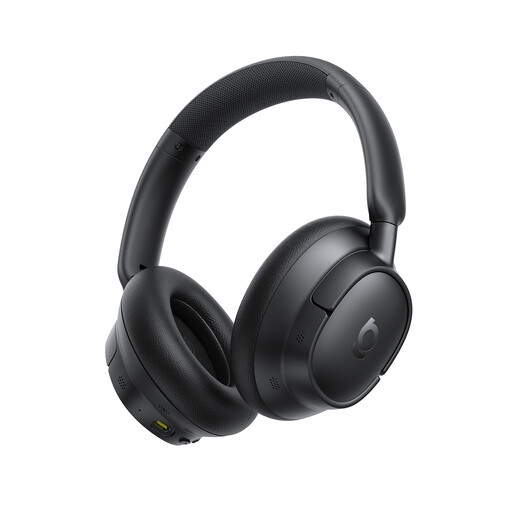
Why it suits this profile: According to the product information, these over-ear headphones are designed for travel, work and everyday use, with adjustable ANC, LDAC and stated playback time of up to 80 hours without ANC.
The ANC figure is presented as a Baseus product specification, not a universal result. Check whether your source device supports LDAC before making your choice based on it.
ANC up to -45 dB according to the product information; LDAC; five microphones; USB-C; up to 80 hours without ANC according to the product listing.
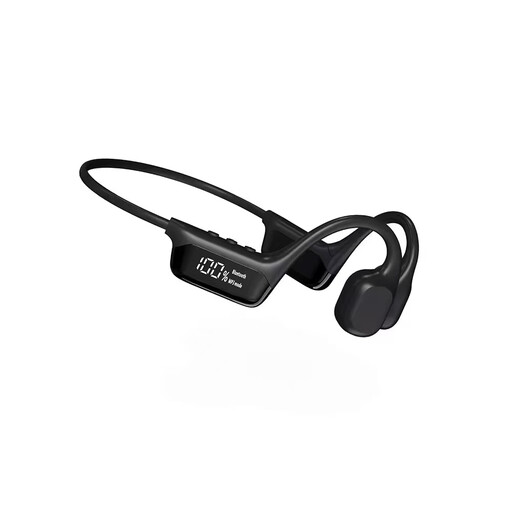
Why it suits this profile: This open-ear model with an ear hook is listed in the product information for swimming, running, cycling and office use. The stated Bluetooth 5.3, calling functions and swimming mode make it suitable for users looking for one device for several activities.
The warnings state that the charging port must be completely dry and that the device should be rinsed after use in chlorinated or salt water. For swimming, check the correct MP3 or built-in mode.
Open-ear design; Bluetooth 5.3; ear hook; calling and voice-control functions; stated 8-hour memory capacity.
For a living room, a Bluetooth speaker with physical bass, treble and volume controls may be easier to use than an app. The Mlove A200 lists Bluetooth 5.3, AUX, USB, TF card, TWS and a 5000mAh battery. The stated playback time varies between approximately 8 and 10 hours in the description, so check the current specifications.
If you want to play radio and local music files, consider the Mlove BV800. This model combines Bluetooth with FM radio, AUX, USB and a TF card. For video recording or live streaming, a wireless microphone such as the Verbex K9 is more practical than a headset. The stated battery life is 3 to 6 hours, which is an important consideration for longer sessions.
For televisions, it is worth checking a soundbar with a subwoofer and connections such as HDMI, optical, coaxial or AUX. Do not just look at “surround sound”; also check the connection to your TV, the remote control and where the subwoofer can be positioned.
We have put together a complete, up-to-date list of products that fully meet these strict selection criteria and the applicable European safety regulations.
Switch Bluetooth on your phone, charge the device and put it into pairing mode. Then select the product name from the Bluetooth list. With earbuds, this often happens when you open the case. If the connection does not work, remove an old pairing and try again. Multipoint only works when the model and connected devices support it.
Battery life depends on battery capacity, volume, temperature and charging habits. Stated battery life is an indication only. Store the device in a dry place, use the supplied or a suitable USB charger, and do not charge it in a damp environment. With a built-in lithium battery, capacity decreases over time; a replaceable battery can extend the product’s practical lifespan.
In addition to the purchase price, electricity consumption, replacement earbuds, cables and a possible charging case are the main factors to consider. Bluetooth itself uses relatively little energy, but ANC, high volume and a powerful speaker reduce playback time per charge. Choose a battery capacity and charging solution that suit your everyday use.
