
Vandaag of morgen in huis

Kwaliteit gegarandeerd

Welkomstaanbiedingen ontgrendelen: GRATIS bezorging | Tot 80% korting | Gratis 30 dagen JoyPlus-proefperiode
Download de app
Fancy something with blueberry flavour, but unsure whether to choose sweets, jelly, a protein bar or dried fruit? The range of blueberry snacks is extensive. Packaging often emphasises claims such as “fruity”, “light” or “sugar-free”, while the most important information appears in smaller print on the label.
As a Joybuy Product Recommendation Officer, I filter products using verifiable information, including ingredients, nutritional values, serving size, allergens and ease of use. This helps you quickly see which blueberry snacks suit your eating occasion and which marketing claims should be treated with a degree of caution.
With blueberry-flavoured snacks, the flavouring may be more significant than the fruit content. So check the ingredients list. Does it mention “blueberry”, “blueberry juice” or “blueberry paste”? Also look at where the ingredient appears in the list. In the EU, ingredients are generally listed in descending order by quantity.
A fruit-flavoured product may therefore consist mainly of sugar, syrup, starch or sweeteners. That does not automatically make it a poor choice, but it is a different choice from dried blueberries or a snack containing fruit purée.
In sugar-free blueberry snacks, sugar is often replaced with polyols or intense sweeteners. For example, Sportlife Strawberry & Blueberry lists sorbitol, isomalt, maltitol, acesulfame-K and sucralose. The nutritional information states 0 grams of sugar per 100 grams, but does contain 69 grams of carbohydrates.
So do not rely solely on the front of the packaging. Large amounts of polyols may also be less comfortable for some people. Follow the usage instructions and take your own tolerance into account.
A 12, 16 or 55-gram serving may appear easy to assess, while the table is shown per 100 grams. Convert the values to the actual serving size. According to the product information, the XXL Nutrition N’Joy Protein Bar White Chocolate Blueberry contains 214 kcal, 20.4 grams of protein and 1.65 grams of sugar per 55-gram bar.
That makes it a different product choice from a sweet or mochi, even if both have a blueberry flavour.
Check the following before buying:
BAMBOO HOUSE Double Filling Blueberry Mochi contains, among other ingredients, blueberry paste, blueberry juice, milk powder and egg white. The product lists egg and milk as allergens. XXL Nutrition’s protein bar lists milk, soya and cereals containing gluten. If you have allergies, always rely on the most recent packaging.
Compare products on the same basis. Pay particular attention to:
Dried blueberries are compact and easy to take with you, but Three Squirrels lists 65.2 grams of sugar per 100 grams. The ingredients consist of 72% blueberries, 27.8% sugar and sunflower oil. The individual 16-gram sachets do make portion control easier.
Soft snacks such as mochi and jelly can be sensitive to heat. BAMBOO HOUSE advises avoiding direct sunlight and high temperatures. Jele Fresshy Light should be refrigerated after opening and consumed within the stated period.
Individual packs are practical when you are out and about. Also check the best-before date, that the seal is intact and the storage instructions. For food supplements or caffeinated drinks, the warnings are particularly important.
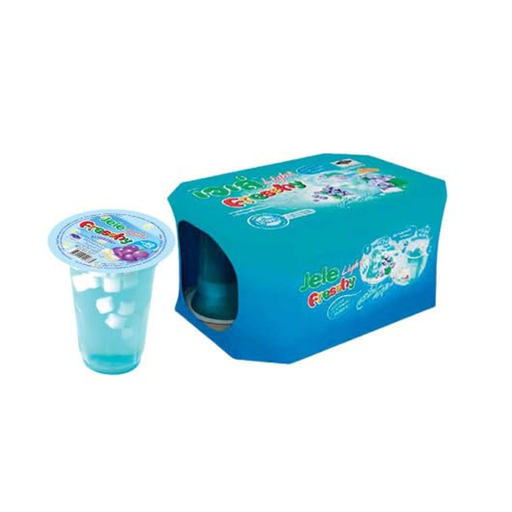
Why it suits this profile: The pack contains six 125-gram servings. This makes the blueberry jelly suitable for keeping at home or dividing between several eating occasions.
The nutritional information states 35 kcal, 8.5 grams of carbohydrates and 5 grams of sugar per stated serving. You therefore do not have to rely solely on the term “light”.
Six individual cups, blueberry juice concentrate listed as an ingredient and none of the 14 main EU allergens listed.
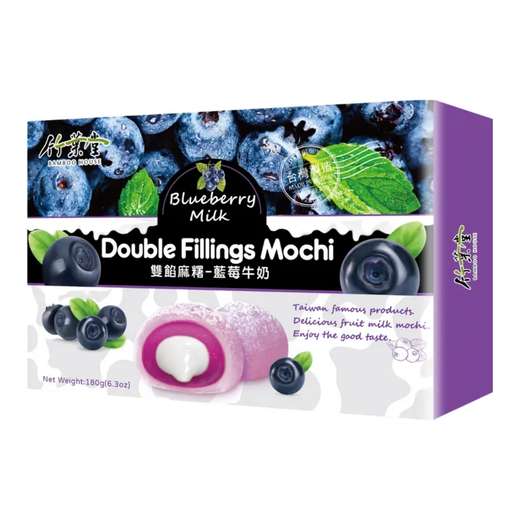
Why it suits this profile: This mochi combines a soft rice layer with a double blueberry and milk filling. It is ideal for anyone who prioritises texture and a dessert-like experience.
The ingredients and nutritional values make it clear that this is a sweet treat: 38.3 grams of sugar per 100 grams and 77.7 grams of carbohydrates.
180 grams per pack, blueberry juice and blueberry paste listed, individual soft mochi pieces.
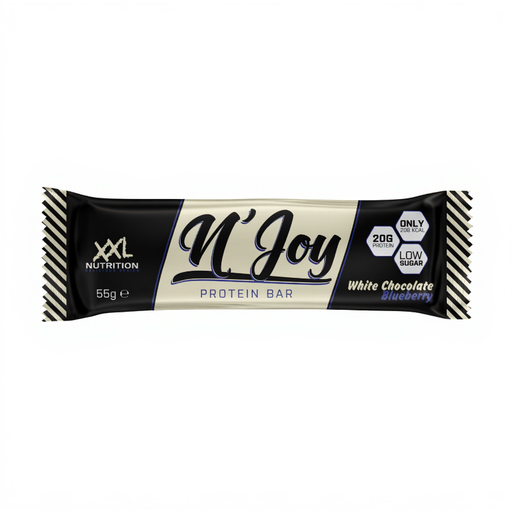
Why it suits this profile: For sportspeople and busy consumers looking for a compact blueberry protein bar after exercise or on the go.
The values are given per bar and per 100 grams. This means you can immediately see that 20.4 grams of protein comes with 214 kcal per serving.
20.4 grams of protein, 1.65 grams of sugar and an individual 55-gram format. It does contain milk, soya and cereals containing gluten.
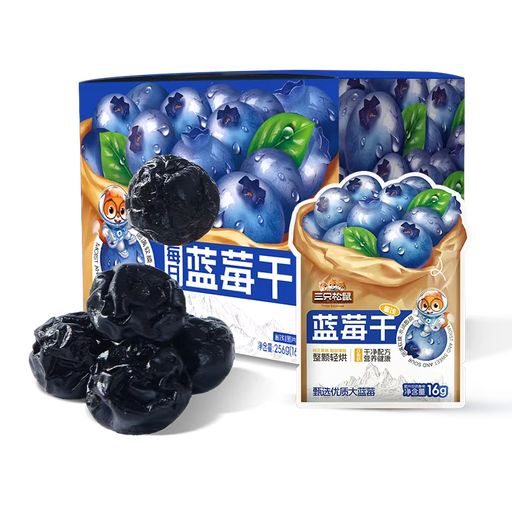
Why it suits this profile: The sixteen 16-gram sachets are handy for lunch boxes, car journeys, walks and controlled portioning.
The serving size is clearly stated on the packaging. At the same time, the ingredients list shows 27.8% added sugar, allowing you to take the sweetness into account.
72% blueberries, 16 individual sachets and no allergens listed in the product information.
We have put together a complete, up-to-date list of products that fully meet these strict selection criteria and the applicable European safety regulations.
No. Some products contain blueberry juice, purée or dried berries; others mainly use flavouring. Check the ingredients list and pay attention to the order of the ingredients. The word “blueberry” on the front of the pack does not, by itself, indicate how much fruit it contains.
Individual packs are practical when you are out and about. Three Squirrels’ dried blueberries come in sixteen 16-gram sachets. A 55-gram protein bar or an individually wrapped snack can also be easily carried in a bag. Store soft products according to the instructions on the label.
Not necessarily. A product without sugar may still contain carbohydrates, polyols or calories. Sportlife Strawberry & Blueberry lists 0 grams of sugar, but 176 kcal per 100 grams. Always compare the full nutritional table and the amount you actually eat.
