
Vandaag of morgen in huis

Kwaliteit gegarandeerd

Welkomstaanbiedingen ontgrendelen: GRATIS bezorging | Tot 80% korting | Gratis 30 dagen JoyPlus-proefperiode
Download de app
A blueberry drink can be many things: sparkling water with flavouring, a sweet soft drink, fruit drink, syrup or Japanese ramune. This makes comparing products less straightforward than the blue colour on the label might suggest. If you only look at the packaging or flavour name, you could end up with a drink that tastes different, contains more sugar or has less blueberry than expected.
This practical guide focuses on the information that really matters. That makes it easier to find a blueberry soft drink, juice drink or squash that suits your taste, occasion and budget.
A bright blue colour may come from colourings, while a product with a purple or red hue may contain fruit juice or plant extracts. Always check the ingredients list, rather than relying solely on the product name.
Some products focus on blueberry flavour, but contain only a limited percentage of fruit juice. For example, Chupa Chups Sour Blueberry lists 1% blueberry juice from concentrate. This makes it primarily a sparkling soft drink with fruit flavouring, rather than the same thing as blueberry juice.
A blueberry drink may contain sugar, glucose-fructose syrup, sweeteners or a combination of these. Check the nutritional information per 100 ml and per pack. A bottle or can often contains more than one serving.
For comparison, according to the product information, GENKI RAMUNE Blueberry Drink contains approximately 10 grams of sugar per 100 ml, while g'woon Blueberry Sparkling Mineral Water lists 0 grams of sugar. The two drinks therefore have clearly different uses, even though they both have a blueberry flavour.
A 1.5-litre bottle is convenient for a family or party, but less practical if you are looking for a single serving. Small cans, bottles and pouches are suitable for taking with you, but may work out more expensive per litre. With a multipack, you should also consider storage space, shelf life and deposits where applicable on the packaging.
First, distinguish between these varieties:
Look out for phrases such as “with blueberry flavour”, “with fruit juice from concentrate” and “100% juice”. These descriptions do not mean the same thing. According to the product information, Ocean Spray Cranberry Blueberry Juice contains a fruit base made from cranberry, apple and blueberry juice from concentrate. The blueberry content is listed as 5%.
At a minimum, compare:
A product with less sugar is not automatically more suitable for everyone; flavour, serving size and intended use also matter. When buying imported drinks, always check the Dutch label or current packaging, as online information may differ from the physical packaging.
Check whether the product needs to be refrigerated after opening, how soon it should be consumed and whether the packaging is damaged. Ramune bottles also have a specific opening method. With HATAKOSEN Ramune Blueberry, the glass marble must be pushed inside using the plunger provided. Children should preferably open this bottle under adult supervision.
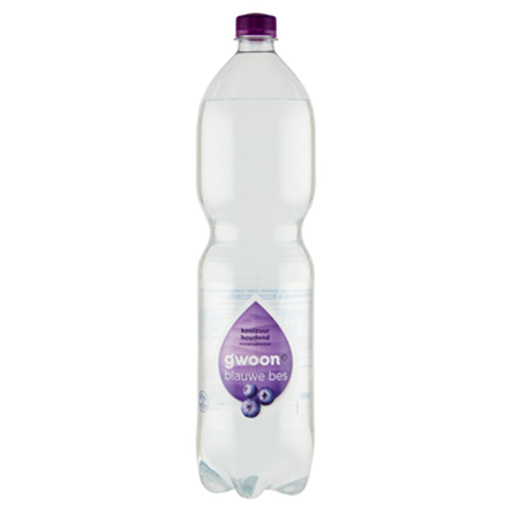
Why it suits this profile: The 1.5-litre bottle is practical for home, with a meal or whenever several people want to enjoy a light blueberry drink.
The product information lists 0 grams of sugar and carbonated natural mineral water with natural blueberry flavouring. Check the packaging when purchasing.
1.5-litre capacity; according to the product information, 0 kcal and 0 grams of sugar per 100 ml.
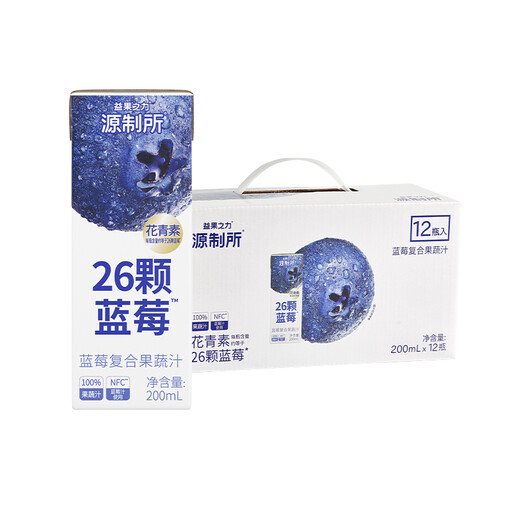
Why it suits this profile: The individual portions are ideal if you want a fruit drink with clear product specifications, without having to store a large opened bottle.
The product information lists a total fruit and vegetable juice content of 100%, with at least 20% blueberry juice. Check the current packaging for the full composition.
12 packs of 200 ml; approximately 41 kcal per 100 ml according to the product information.
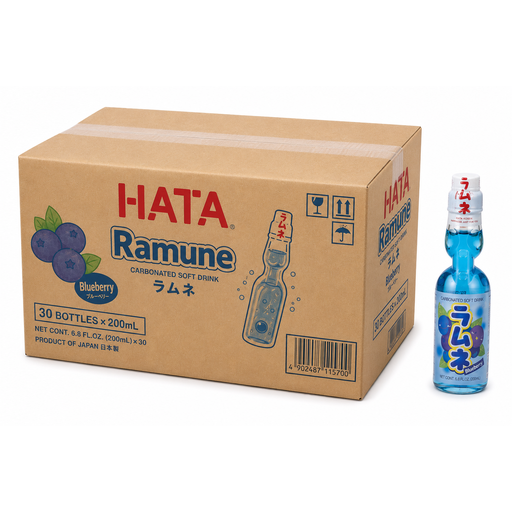
Why it suits this profile: A box of 30 Japanese ramune bottles is ideal for parties, events and anyone who enjoys a distinctive serving experience.
The size and contents are clearly stated. Opening the bottle with its glass marble does require care, so follow the instructions on the packaging.
30 bottles of 200 ml; Japanese ramune packaging; 39 kcal and 8.2 grams of sugar per 100 ml according to the product information.
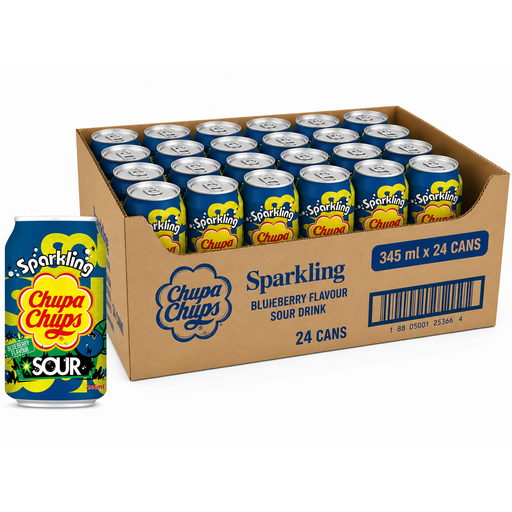
Why it suits this profile: The multipack provides 24 servings for a party or stock cupboard. The combination of sweet and sour appeals to fans of bold soft drinks.
The packaging states that it contains 1% blueberry juice from concentrate. This shows that it is a flavoured soft drink, not pure juice.
24 bottles of 345 ml; 44 kcal per 100 ml according to the product information; suitable for serving chilled.
We have put together a complete, up-to-date list of products that fully meet these strict selection criteria and the applicable European safety regulations.
Do not look only at the price of one bottle. If necessary, calculate the price per litre or per serving. A multipack can offer good value when you will genuinely use the drinks, while a smaller pack makes more sense for occasional use.
For homemade blueberry squash, JENI blueberry syrup may be worth considering. Mix the syrup with still or sparkling water according to your preference. Pay attention to the nutritional information for the syrup itself and to the recommended dilution ratio on the packaging. For a ready-to-drink option, single-serve products such as Ice Talk Blueberry Ade 230 ml or Cantabile Blueberry Ade 230 ml are more convenient.
If you want to order a blueberry drink online, check the following before paying:
No. Soft drinks usually contain carbonation, sugar or sweeteners and flavourings. Juice or fruit drink contains a stated percentage of fruit or vegetable juice. Check the ingredients list to establish the difference.
That depends on the serving size and presentation you want. A multipack of Chupa Chups Sour Blueberry provides 24 bottles of 345 ml. HATAKOSEN Ramune Blueberry comes in 30 bottles of 200 ml and has the distinctive ramune bottle. For both options, serving them chilled is practical.
Always follow the storage advice on the packaging. Many carbonated drinks should be refrigerated after opening and consumed within the stated period. Also check that the cap closes properly, and do not use a product whose seal was damaged on delivery.
