
Vandaag of morgen in huis

Kwaliteit gegarandeerd

Welkomstaanbiedingen ontgrendelen: GRATIS bezorging | Tot 80% korting | Gratis 30 dagen JoyPlus-proefperiode
Download de app
A blueberry drink can refer to several different products in practice: a sparkling soft drink, Japanese ramune, a still fruit drink, juice or a syrup that you dilute yourself. This makes comparisons less straightforward than the label might suggest at first glance.
Pay particular attention to three common purchasing pitfalls:
If you are specifically looking for a blueberry drink, bilberry drink or blueberry soft drink, it is therefore wise to decide first when and how you will use it. Are you looking for something to take on the go, a celebratory bottle, a sugar-free drink or a large-format blueberry drink?
The name “blueberry” or “bilberry” does not necessarily indicate a high proportion of blueberry juice. Check the ingredients list for terms such as blueberry juice from concentrate, “blueberry juice concentrate” or flavouring.
According to the product information, Ocean Spray Cranberry Blueberry Juice contains 5% blueberry juice, alongside cranberry and apple juice. According to the product specification, ORILABO 100% Blueberry Mixed Fruit Juice contains at least 20% blueberry juice and a total fruit and vegetable juice content of 100%. These are different product types and flavour profiles, even though both include “blueberry” in their name.
Also pay attention to the order of the ingredients. Ingredients are generally listed in descending order by quantity. If sugar or syrup appears before the fruit ingredient, the drink is not primarily juice-based.
A sparkling blueberry drink contains carbon dioxide and is a good choice for soft-drink enthusiasts. A still fruit drink is often more practical for travelling, the office or alongside a meal. Ramune also comes in a distinctive bottle sealed with a glass marble; this is primarily a playful serving experience, not a technical guarantee of quality.
A syrup, such as JENI blueberry syrup, is a different option altogether. You can determine the ratio of syrup to water or sparkling water yourself. Check the recommended dilution and the nutritional values of the drink after dilution. According to the product information, the syrup itself contains approximately 62 grams of sugar per 100 grams, meaning that even a small amount can add substantial flavour and sweetness.
For a sugar-free fruit drink, do not rely solely on the front of the package. Check both the nutrition table and the ingredients. According to the product information, G’woon Blueberry Sparkling Mineral Water contains 0 grams of sugar and 0 kcal per 100 ml. GENKI RAMUNE Blueberry Drink contains approximately 10 grams of sugar per 100 ml and around 40 kcal.
At that ratio, a 200 ml package contains approximately 20 grams of sugar, while a 1.5-litre bottle contains around 150 grams. Exact values may vary by batch or label. Always check the current packaging, especially when buying imported drinks.
For smaller servings, products such as a 200 ml fruit drink or 230 ml drink are easier to manage. For birthdays, food-service settings or a well-stocked pantry, a multipack such as 12 x 200 ml or 24 x 345 ml may be more convenient. When comparing large formats, look at the price per litre rather than the total price alone.
The selection below is based on verifiable information from the product listings, including volume, packaging, ingredients and nutritional values. Product information and labels may change.
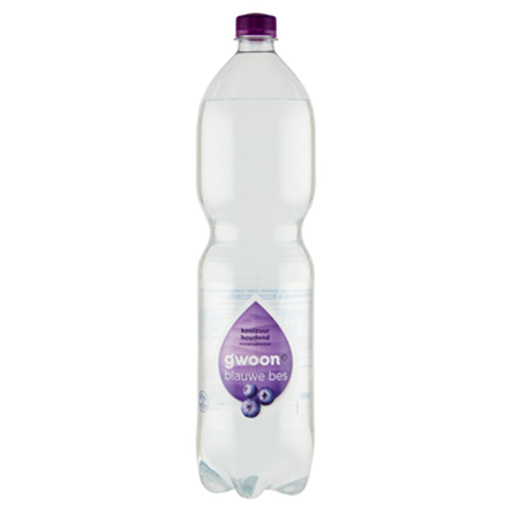
Why it is a good fit: A large bottle is practical for the home, when entertaining guests or with a meal. According to the product information, this sparkling drink contains natural blueberry flavour.
The nutritional information lists 0 grams of sugar and 0 kcal per 100 ml. Check the current label before ordering.
1.5 litres, sparkling and listed as sugar-free.
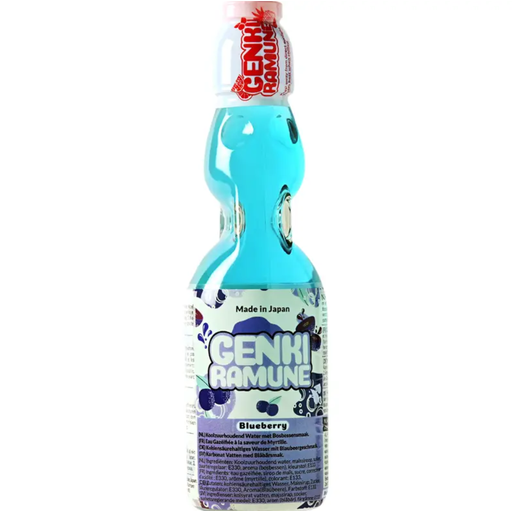
Why it is a good fit: The 200 ml bottle with ramune closure is ideal for parties, gift hampers or a single serving. According to the product description, the drink has a sweet-and-sour blueberry flavour.
The volume per bottle is clearly stated. However, according to the product information, it contains approximately 10 grams of sugar per 100 ml.
Convenient size and a distinctive Japanese ramune bottle with sparkling contents.
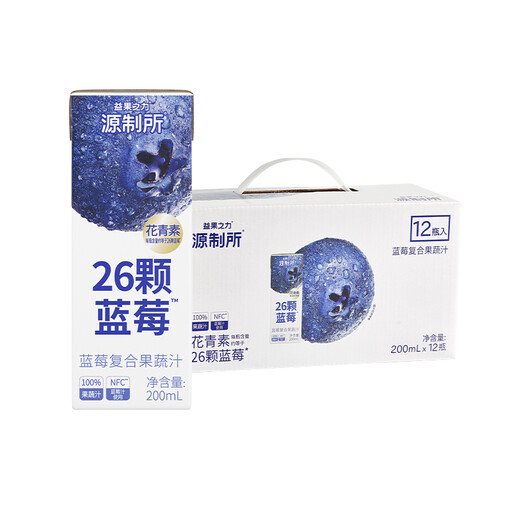
Why it is a good fit: Twelve 200 ml servings are easy to distribute among family members, lunch occasions or a pantry. According to the specification, the drink combines six fruit and vegetable juices.
The packaging states the number of units, volume per pack and a minimum blueberry juice content of 20%. This makes the quantity clear before purchase.
12 x 200 ml, ready to drink and listed at approximately 41 kcal per 100 ml.
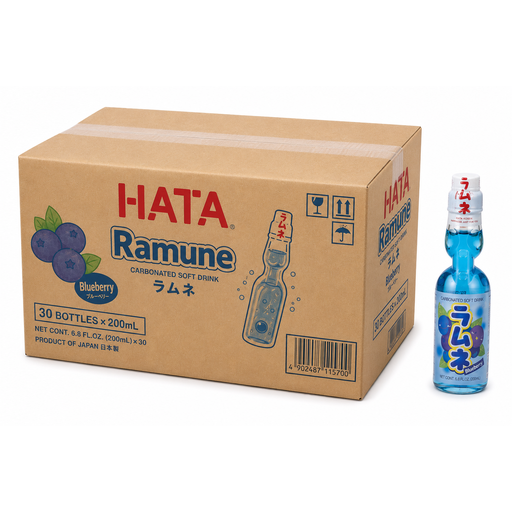
Why it is a good fit: This multipack contains 30 Japanese ramune bottles of 200 ml each. It is well suited to events, themed evenings or individual resale.
The total volume and serving size are clear in advance. The glass marble makes opening different from a standard bottle; children should preferably open it under adult supervision.
30 x 200 ml, sparkling and sourced from Japan according to the product information.
Browse the current range and compare volume, flavour variant, packaging and nutritional information before ordering.
A bottle with a striking purple colour may look appealing, but colour says nothing about the amount of fruit. The term “natural” should also be read in context: a product may contain natural flavouring while still using sugar, sweeteners or colouring agents.
For international drinks, it is wise to pay extra attention to:
For example, according to the product information, HATAKOSEN ramune uses the colourant E129 and contains sugar syrup. If you are specifically looking for a sugar-free drink, choose a product whose nutrition table actually states 0 grams of sugar.
Not necessarily. “Bilberry” and “blueberry” are sometimes used interchangeably in online shops, even though the composition may differ. A juice drink may also contain apple, cranberry or other fruit juice. Always check the juice percentage and ingredients list.
That depends on the price per litre and how you plan to use it. A 1.5-litre bottle is often practical for several people, but it should be refrigerated after opening and consumed within the stated period. A 200 ml serving pack is more convenient if avoiding waste matters more than the price per litre.
Store an unopened drink according to the label, usually in a cool place away from direct sunlight. Refrigerate an opened bottle, close the cap securely and follow the stated storage period. With ramune and other glass bottles, also follow the opening instructions and warnings on the packaging.
