
Vandaag of morgen in huis

Kwaliteit gegarandeerd

Welkomstaanbiedingen ontgrendelen: GRATIS bezorging | Tot 80% korting | Gratis 30 dagen JoyPlus-proefperiode
Download de app
Blue men’s clothing is easy to combine, but not every blue garment is suited to the same activity. A cotton T-shirt for everyday wear needs different properties from quick-drying swim shorts or an outdoor jacket for changeable weather. If you focus only on colour, brand name or an attractive offer, you may end up with a garment that quickly loses its shape, feels too warm or does not fit properly.
With this guide, you can compare blue men’s T-shirts, sweatshirts, hoodies, jogging bottoms, swim shorts and outdoor jackets using objective criteria. This makes it easier to choose the right casual men’s clothing, men’s sportswear or clothing for travelling and outdoor activities.
“Blue” can refer to different shades in a product name, such as navy, indigo, vintage blue or summerblue. The colour may also look different on screen than it does in natural light. Always check the product photos, colour name and material description.
A cotton men’s garment often feels soft and lightweight, but cotton retains moisture for longer than many synthetic sports fabrics. For intensive training, properties such as moisture management and drying time are more important than a soft feel alone.
Brands use these terms in different ways. According to some brands’ product descriptions, “breathable” refers to a lightweight weave or more airy material; this does not guarantee a specific level of ventilation. “Quick-drying” is also only useful as a criterion when the composition and intended use are clear.
Pay attention to the difference between 100% cotton, a cotton blend and polyester. Polyester is often chosen for men’s blue sportswear and swim shorts because it retains little moisture. A cotton blend, on the other hand, can be a practical middle ground for everyday wear.
A regular fit, tall fit and oversized fit will all feel noticeably different. International brands may list EU, UK and US sizes alongside one another. Check the chest, waist, hip and inside-leg measurements in centimetres. If you are between two sizes, check whether the product description recommends sizing up or specifies a closer fit.
For everyday wear, 100% cotton and cotton blends are common choices. The Urban Classics Tall Tee, for example, is described as 100% cotton with a weight of 180 g/m². This indicates the fabric weight, but does not in itself tell you how the shirt will feel on your body.
Synthetic fabrics are often practical for training and warm weather. According to the product description, the PELLIOT shorts feature a polyester piqué knit with integrated moisture-wicking yarns. The manufacturer describes this as a construction that moves moisture to the surface. Treat this as a product claim and check the care instructions too.
With an oversized men’s T-shirt, choosing a larger size does not automatically mean the shirt will become proportionally longer. Check the size guide rather than simply ordering one size up.
For outdoor use, details matter more than a general description such as “waterproof”. Check whether the garment has a water-repellent finish, taped seams, an adjustable hood and ventilation openings. The product description for The North Face Triclimate 3-in-1 jacket mentions an outer layer with GORE-TEX, a PFC-free water-repellent finish, taped seams and underarm zips.
According to the product information, this model also has a removable down layer with 550 fill power. This is a technical indication of the fill quality, but warmth in practice also depends on the fit, base layers and weather conditions.
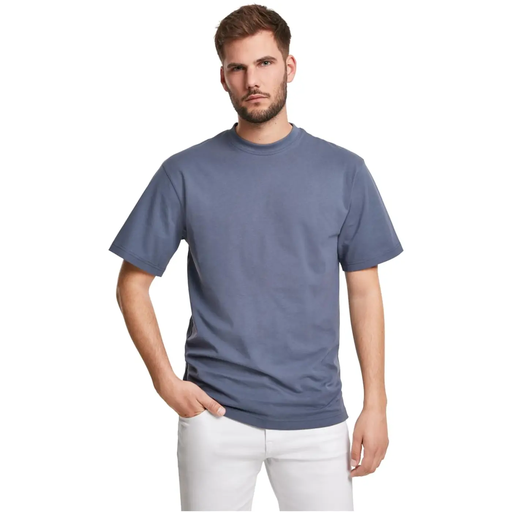
Why it suits this profile: A simple blue T-shirt for everyday wear, layering and casual outfits with jeans, shorts or chinos.
The composition and fabric weight are clearly stated: 100% cotton and 180 g/m². This means you do not have to rely solely on general comfort claims.
100% cotton; tall model; suitable for wearing on its own or under a jacket.

Why it suits this profile: For travelling, walking and changeable conditions where one jacket is not always enough.
The product information lists specific details such as taped seams, underarm zips and an adjustable hood instead of simply claiming “rain protection”.
3-in-1 construction; GORE-TEX outer material according to the product description; removable down layer.
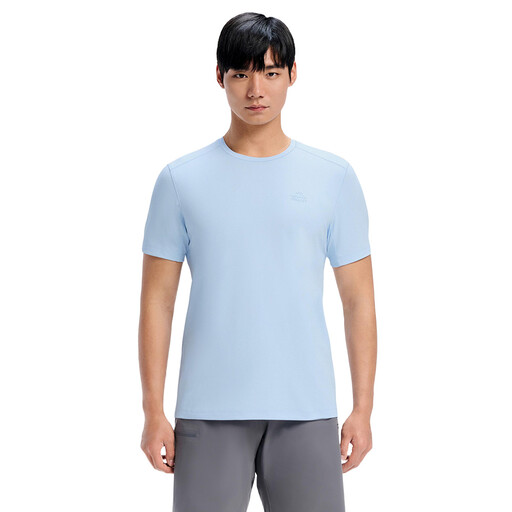
Why it suits this profile: For training, camping and travelling, when a lightweight shirt with moisture management can be useful.
The description specifies polyester piqué, integrated moisture-wicking yarns and a size guide in centimetres.
Stretch polyester piqué; machine washable at a low temperature; available in several sizes.
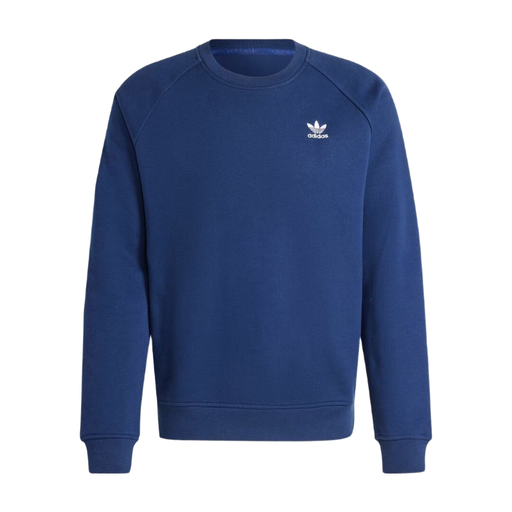
Why it suits this profile: A blue sweatshirt for relaxing at home, travelling, informal occasions and as an extra layer in cooler weather.
The composition is clearly stated: 70% cotton and 30% recycled polyester. The regular fit means you are not relying solely on a fashion term.
Fleece construction; regular fit; ribbed trims at the neckline, cuffs and hem.
We have put together a complete, up-to-date list of products that fully meet these strict selection criteria and the applicable European safety regulations.
That depends on the intensity. For light activity, cotton or a cotton blend may be sufficient. For intensive training, lightweight polyester, moisture management and a stated quick-drying property are practical criteria. Always check that this is mentioned in the brand’s product description.
Wash dark colours inside out and follow the care label. Use the recommended temperature, avoid bleach and do not dry clothing at a higher temperature than indicated. Some product descriptions recommend low temperatures and washing with similar colours.
Yes, provided the fabric and fit are suitable for the weather. A cotton blend with a brushed inner side can be comfortable in cooler weather, while a thinner material is more practical during movement. Look for an adjustable waist, pockets and enough freedom of movement. Bear in mind that fleece is warmer, but generally dries more slowly than lightweight synthetic sports fabric.
