
Vandaag of morgen in huis

Kwaliteit gegarandeerd

Welkomstaanbiedingen ontgrendelen: GRATIS bezorging | Tot 80% korting | Gratis 30 dagen JoyPlus-proefperiode
Download de app
Blue lemonade instantly stands out at a picnic, children's party or summer barbecue. Yet a bright colour says little about the taste, nutritional value or practical usability. If you go only by appearance, you could end up with a drink that's too sweet, packaging that leaks awkwardly, or a large bottle that goes flat quickly after opening.
In this buying guide, the Joybuy Product Recommendation Officer compares several popular choices. The focus is on verifiable information: volume, sugar content, energy, packaging, ingredients and when to use it.
Blue lemonade and blue lemon ade can have a citrus, berry or mixed fruit flavour. The colour doesn't automatically tell you whether the drink tastes of lemon. So check the ingredients and product description. Calypso Ocean Blue Lemonade, for example, lists lemon, blueberry and raspberry as flavour notes. Other blue drinks may mainly have a classic citrus taste.
A blue fizzy drink labelled zero sugar may contain sweeteners instead of sugar. So look at the full ingredients list. Sweet16 Blue Lemon Ade Zero Sugar is offered as a sugar-free product, but the available product information does not include a complete nutrition table. For a targeted choice, it's wise to check the current label before buying.
Even with regular lemonade, the differences can be significant. Ice Talk Blue Lemon Ade contains 35 kcal and 8.4 grams of sugar per 230 ml. San Pellegrino Limonata states 35 kcal and 8 grams of sugar per 100 ml. A 330 ml serving therefore contains more energy and sugar than the figure on the nutrition table might suggest at first glance.
A single-serve lemonade in a pouch is handy for on the go, but less suitable when several people want to fill a glass. A 1.5-litre bottle is better for a party, while a multipack of cans or glass bottles can be convenient for individual portions. Also pay attention to chilling, resealability and storage after opening.
Choose the size based on the occasion:
A pouch, such as with Ice Talk Blue Lemon Ade 230 ml, takes up relatively little space and doesn't need to be poured. A PET bottle like 7UP Lemon Lime Soda 1.5 L is more logical for sharing, but must be chilled after opening and loses its fizz over time.
Always compare the values per 100 ml and per pack. A drink with 8 grams of sugar per 100 ml contains significantly more sugar in a 1.5-litre bottle than the same value in a small can.
For a low-calorie lemonade, the following information is relevant:
G'woon Clear Lemon states 1 kcal and 0 grams of sugar per 100 grams. 7UP Zero Sugar is described as a drink with less than 1 kcal per 100 ml and contains aspartame. Always check the label on a zero drink if you want to avoid certain sweeteners.
A blue colour can come from a colouring agent or a colouring extract. Ice Talk, for example, mentions spirulina extract for the colour. Calypso Ocean Blue Lemonade lists colour E133. That's not a judgement on the product, but it is useful information if you're consciously comparing ingredients.
Also look out for:
The product packaging remains the definitive source for the current ingredients, shelf life and usage instructions.
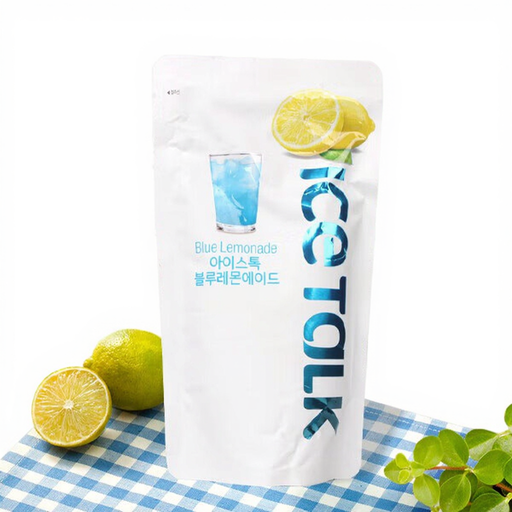
Why this fits the profile: A small ready-to-drink pack is straightforward when you want to try blue lemonade for the first time or need a single portion for on the go.
The volume and nutritional values are clearly stated: 230 ml, 35 kcal and 8.4 grams of sugar per pack. This means you can assess the portion straight away.
Citrus-style lemonade flavour, pouch packaging and 0 grams of fat per stated nutritional value.
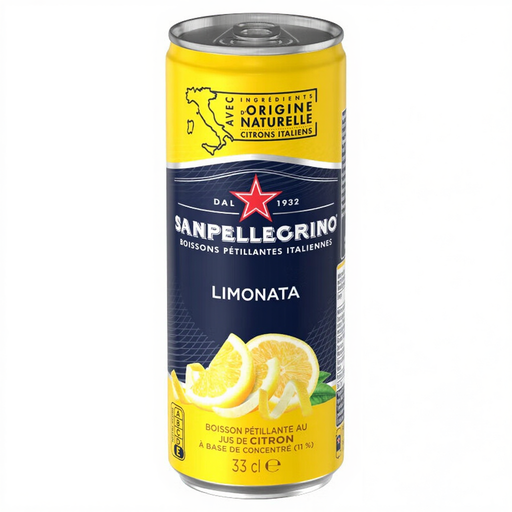
Why this fits the profile: If you're particularly interested in lemon juice, serving temperature and a carbonated lemon lemonade, you can compare this option alongside other brands.
The description mentions 11% lemon juice from concentrate and recommends serving at 6 to 8 °C. This makes the flavour choice more concrete than just a colour promise.
330 ml per can, 35 kcal and 8 grams of sugar per 100 ml; suitable for serving chilled with mint or fruit as a garnish.
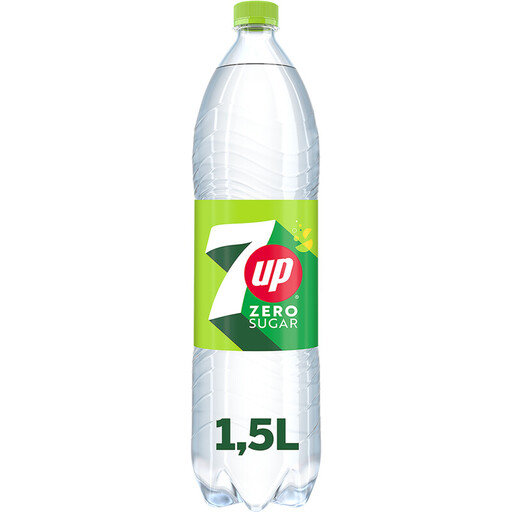
Why this fits the profile: The large size is practical for home use and parties when you're pouring multiple glasses and don't need individual portions.
The product description states no sugar and less than 1 kcal per 100 ml. The ingredients list does mention aspartame; check this if you want to avoid sweeteners.
1.5 litre volume, lemon-lime flavour and a zero-sugar option for those who want to limit sugar in fizzy drinks.
We've put together a full, up-to-date list of products that fully meet these strict selection criteria and current European safety regulations.
No. Some varieties are based on lemon or lemon-lime, while other drinks have additional fruit notes such as blueberry, raspberry or lychee. Look at the flavour description and ingredients list rather than just the colour.
This varies by product. Store opened lemonade according to the label, usually chilled and well sealed. Carbonated drinks gradually lose their fizz after opening. A pouch or small bottle is therefore handy if you're using the drink in one go.
Zero-sugar options such as Sweet16 Blue Lemon Ade Zero Sugar and 7UP Zero Sugar are options to compare. G'woon Clear Lemon states 1 kcal and 0 grams of sugar per 100 grams, but it isn't blue. Always check the current nutrition table and note that "no sugar" is not the same as "no sweeteners".
