
Vandaag of morgen in huis

Kwaliteit gegarandeerd

Welkomstaanbiedingen ontgrendelen: GRATIS bezorging | Tot 80% korting | Gratis 30 dagen JoyPlus-proefperiode
Download de app
A blue backpack suits many situations: from college and commuting to the gym or a short trip. However, a backpack can look roomier, sturdier or better protected in product photos than it actually is in daily use. Making the right choice therefore depends not only on the colour, but above all on capacity, compartment layout, material and wearing comfort.
A 25-litre backpack offers space, but that doesn't mean it's suitable for filling that space completely with heavy books or equipment. Pay attention to the construction of the shoulder straps, the back panel and the zips. A lightweight bag can be pleasant for everyday use, but less suitable for a heavy work or school load.
A water-repellent backpack can help keep out light rain, but it doesn't automatically offer protection during a prolonged downpour or if the bag falls into a puddle. So check whether the product description only mentions water-repellent material or also a covered zip, rain cover or sealed seams. The Eastpak Out of Office, for example, mentions light rain resistance; that's different from full waterproofing.
A laptop compartment shouldn't just match the inch size. The length, width and thickness of your device also matter. A compartment for a 13.3-inch laptop won't suit every larger model. If you're looking for a backpack for a 15.6-inch laptop, it's wise to compare your laptop's dimensions with the stated maximum screen size and the internal measurements of the compartment.
For school and work, a separate laptop compartment or document pocket is practical. A school backpack often needs room for books, a lunchbox and accessories. For the office or study, a padded laptop compartment and a front pocket for keys, phone and charger are handy.
A work backpack doesn't need to be large if you're mainly carrying a laptop and documents. For clothes, shoes and towels, a sports backpack or gym backpack with a capacity of around 20 litres or more is more practical. A travel backpack also benefits from multiple compartments, lockable zips and good weight distribution.
Look for adjustable shoulder straps, a padded back panel and possibly a chest strap. The straps shouldn't dig in when the backpack is loaded. A chest strap can help keep the bag more stable when cycling or walking, but it doesn't replace good weight distribution.
Place heavy items as close to your back as possible. A laptop, books or a power bank at the bottom and far from your back makes the bag heavier to carry than the same items placed close to your body.
Polyester is common for everyday backpacks. The material is usually easy to clean with a damp cloth. Check the care instructions: some bags shouldn't go in the washing machine and should be dried away from direct heat.
A lightweight backpack reduces the weight you have to carry yourself. The NINETYGO Tiny Backpack weighs 194 grams according to the product information and has a 12-litre capacity. This makes this type of bag suitable for light everyday items, but not automatically for heavy school books or lots of sportswear.
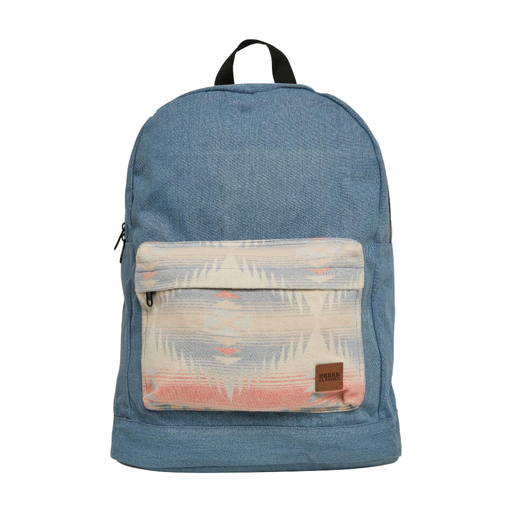
Why it fits the profile: A practical choice for everyday use when appearance and basic storage space matter. The denim look with blue and multicolour details suits a casual city style.
The main compartment has a zip closure and the outer pocket is accessible via a zip under the front flap. This means everyday items aren't just stored in one open compartment.
Adjustable shoulder straps, a carry loop and a separately accessible outer pocket.
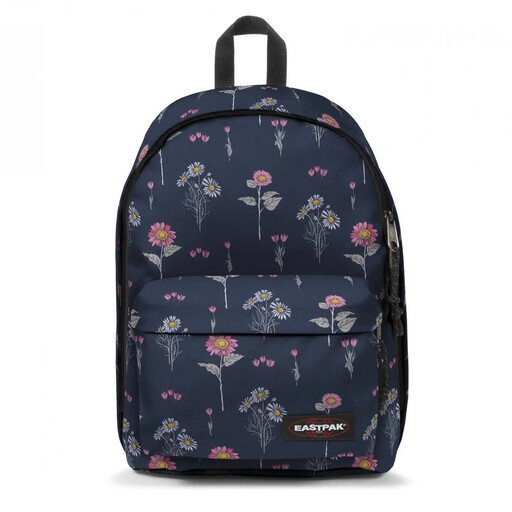
Why it fits the profile: This Eastpak backpack is designed for school, work and daily commuting. The stated capacity is 27 litres and the model has a padded compartment for a 13.3-inch laptop.
The laptop isn't reliant on the main compartment but gets a separate padded pocket. The material is described as water-repellent; extra protection is still needed in heavy rain.
27-litre capacity, padded shoulder straps and a stated 30-year manufacturer's warranty.
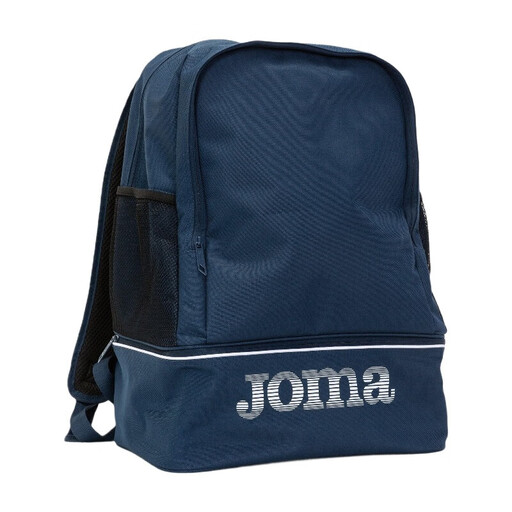
Why it fits the profile: The 24.2-litre capacity and the double bottom compartment are practical for sportswear, shoes and accessories for the gym or training.
The bag isn't limited to one large compartment: there's a front pocket, an internal compartment and a double bottom. This helps keep sports gear more organised and separated.
24.2-litre capacity, 100% polyester according to the product information and padded ergonomic shoulder straps.
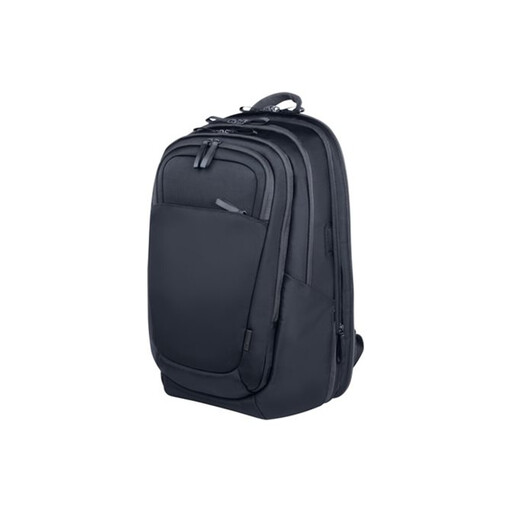
Why it fits the profile: This model is aimed at commuters and travellers who carry a laptop up to 15.6 inches, clothes and accessories. The capacity can be expanded from 25 to 30 litres according to the description.
The laptop size and capacity are clearly stated. There are also multiple compartments, a chest strap and lockable zips for organised transport. The product information explicitly states that this does not guarantee theft prevention.
Suitable for up to 15.6 inches, 25-litre capacity expandable to 30 litres and a stated weight of 860 grams.
We've put together a full, up-to-date list of products that fully meet these strict selection criteria and current European safety regulations.
Choose a model with enough room for books, a sturdy main compartment and preferably a padded laptop pocket. For a heavy school bag, padded shoulder straps and good weight distribution are more important than just a large capacity.
Follow the manufacturer's care instructions. For many polyester backpacks, a soft, damp cloth is sufficient. Don't use bleach and let the bag air dry away from direct heat. First test on an inconspicuous area to check the material doesn't discolour.
The lifespan depends on load, frequency of use, moisture and maintenance. Don't overload the bag, close zips properly and store sharp items carefully. A backpack with sturdy seams, padded straps and a suitable carrying weight generally remains more practical for daily use than a model that is constantly overloaded.
