
Vandaag of morgen in huis

Kwaliteit gegarandeerd

Welkomstaanbiedingen ontgrendelen: GRATIS bezorging | Tot 80% korting | Gratis 30 dagen JoyPlus-proefperiode
Download de app
A good backpack is indispensable. Whether you're cycling to college, commuting to the office, or planning a day trip, you want a bag that's both practical and stylish. But the search for the perfect blue backpack can be frustrating. The market is flooded with models that promise a lot but don't always deliver. Before you make a choice, it's smart to know what to look for to avoid buyer's remorse.
Many buyers fall for a few common pitfalls:
To avoid these problems, it's better to focus on a few concrete specifications. These determine whether a backpack is suitable for your daily use.
The material determines the durability and weight of your bag. A sporty backpack is often made of polyester or nylon, materials that are lightweight and reasonably durable. Canvas offers a more classic look but is often heavier. Pay attention to the fabric's density, indicated in Denier (D). A higher value, such as 600D polyester, means a sturdier and more durable fabric.
Equally important is carrying comfort. A good daypack has padded and adjustable shoulder straps that distribute weight evenly. A ventilated back panel made of mesh or with air channels prevents a sweaty back during a bike ride or walk.
A backpack's capacity is expressed in litres. For daily use, a capacity between 15 and 25 litres is usually sufficient.
Look beyond just the main compartment. Multiple compartments help you stay organised. A padded laptop sleeve, a small zippered pocket for keys, and side pockets for a water bottle or umbrella are features that make a backpack truly functional.
Not everyone needs the same backpack. Below are a few popular choices, matched to a specific user profile.
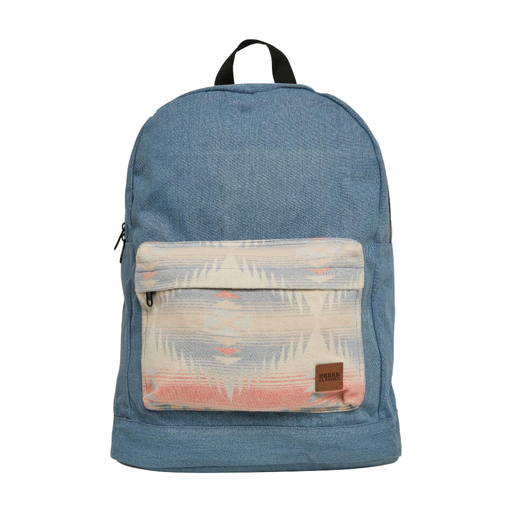
Why This Fits Their Persona: This backpack combines a trendy, washed-denim look with a striking outer pocket. Perfect for those who want a functional bag that doubles as a fashion accessory for a casual, urban outfit.
It focuses on style but doesn't completely ignore comfort, thanks to its adjustable shoulder straps. The clear compartment layout avoids the pitfall of an impractical, disorganized bag.
Unique streetwear design with a standout pattern. Both the main and front compartments are secured with zippers for safe storage.
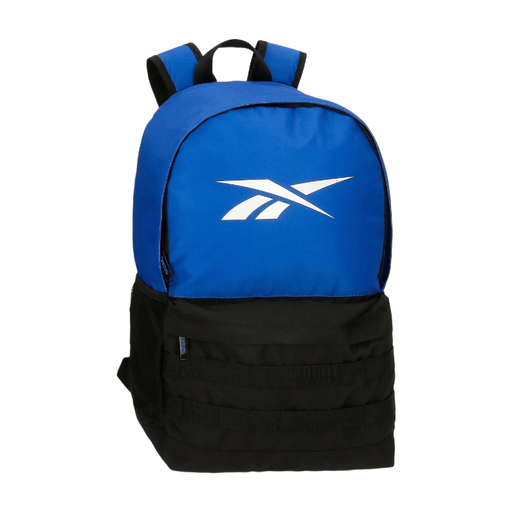
Why This Fits Their Persona: This sporty backpack is designed for daily convenience. It's spacious enough for books, a laptop, and gym clothes, making it ideal for someone who goes straight from college or work to the gym.
This Reebok backpack focuses on functionality. Its durable construction and comfortable shoulder straps avoid the "style over comfort" pitfall. The practical size is suitable for a full day.
Spacious main compartment with extra pockets for organization. The sporty yet sleek look suits both a casual and an active lifestyle.
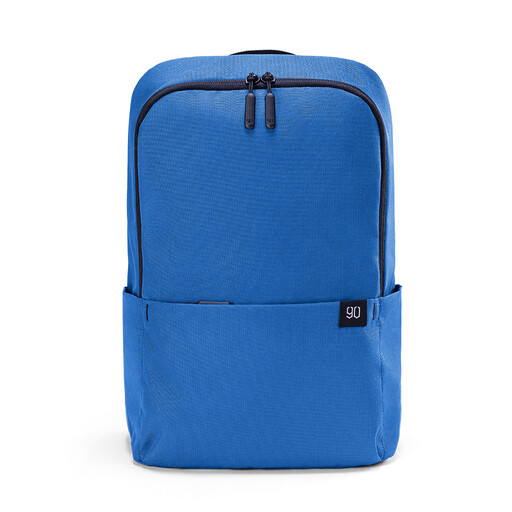
Why This Fits Their Persona: Ideal for those who only carry the bare essentials. Weighing just 194 grams with a 12-litre capacity, this is an extremely lightweight backpack for a day in the city, a festival, or a short walk.
This bag is honest about its compact size. It avoids the pitfall of misjudged capacity by specifically targeting minimalist use. The water-repellent fabric offers basic protection.
Extremely lightweight (194 grams). Compact yet functional with space for an iPad, side pockets for a bottle, and a hidden front pocket.
We have compiled a complete, up-to-date list of products that meet these strict selection criteria and local regulations.
For most people, an everyday daypack with a capacity between 20 and 25 litres is ideal. This provides enough space for a laptop, lunch, an extra sweater, and other necessities without the bag becoming awkwardly large. If you're only carrying light items, a compact bag of around 15 litres may be sufficient.
Water-repellent means the material has been treated with a coating that repels light rain. During a heavy downpour or prolonged exposure, moisture will still seep through. Waterproof means the material and seams (often taped) do not let water through, even under pressure. For protecting electronics in a wet climate, a waterproof bag or a separate rain cover is a safer choice.
It's best to clean most backpacks by hand. Use a soft brush, lukewarm water, and mild soap. Do not just throw your backpack in the washing machine, as this can damage the coatings and structure. After cleaning, let the bag air dry completely, but not in direct sunlight. Check the zippers regularly and clean them to ensure they continue to run smoothly.
