
Vandaag of morgen in huis

Kwaliteit gegarandeerd

Welkomstaanbiedingen ontgrendelen: GRATIS bezorging | Tot 80% korting | Gratis 30 dagen JoyPlus-proefperiode
Download de app
Blonde ale is everywhere. From the supermarket to the specialty shop, the selection is immense. But how do you know if you've got your hands on an authentically brewed specialty beer or just marketing in a bottle? Many ales look alike, but the differences in taste and quality are significant. It's a waste of your money when a promising label leads to a disappointing experience.
As a Joybuy Product Recommendation Officer, I see the challenges consumers face every day. To help you choose the right bottle for that get-together, barbecue, or quiet evening in, we've outlined the most common pitfalls and the most important points to consider.
The 2 pitfalls when choosing a blonde ale:
To avoid disappointment, it's wise to pay attention to a few objective characteristics. These specifications on the label tell you more than the slickest marketing copy.
The colour gives a hint, but the style tells the whole story. The three most common styles within the blonde segment are:
The alcohol percentage isn't just a number; it influences the body, warmth, and ideal drinking occasion of the beer.
To get you started, we've highlighted a few ales that suit different preferences and situations. These recommendations are based on their product characteristics and the profiles of beer lovers.
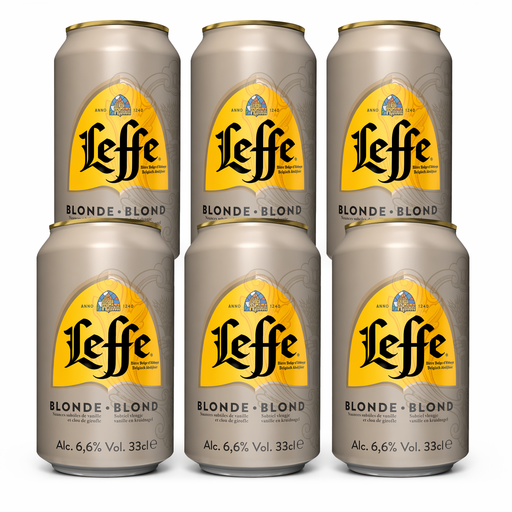
Why This Fits Their Persona: Perfect for those seeking a reliable and flavourful Belgian blonde ale without being too experimental. Ideal for social drinks or when you have guests who enjoy specialty beer.
Leffe is a Certified Belgian Abbey Beer. This means you get the authentic, rich flavour you expect from an abbey ale, not an empty marketing promise.
Smooth, balanced flavour: Fruity and spicy notes with a hint of vanilla. Versatile: Pairs well with a variety of dishes, from chicken to soft cheeses.
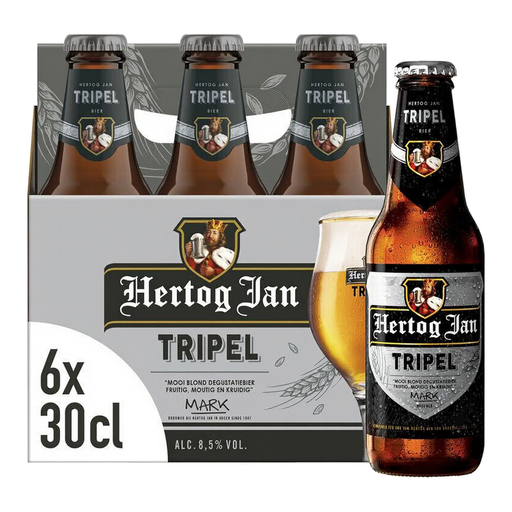
Why This Fits Their Persona: For the drinker looking for depth. This tripel offers a layered taste experience that goes beyond a standard blonde ale.
This is a true tripel. The bottle conditioning is not a marketing term but a process that ensures a richer, fresher taste and finer carbonation.
Complex and fruity: A palate of flavours with a malty to sweet base and a soft bitterness. High alcohol percentage (8.5%): Provides a full and warm mouthfeel.
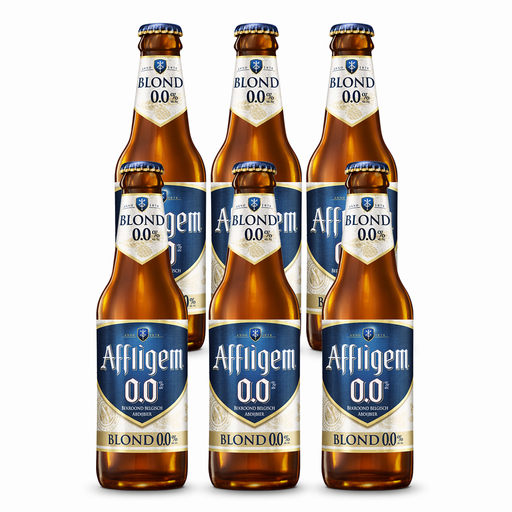
Why This Fits Their Persona: For anyone who wants to experience the full flavour of a Belgian abbey ale but cannot or does not want to drink alcohol at that moment.
Where many non-alcoholic beers taste watery, Affligem 0.0 retains a rich and smooth flavour. It proves that an alcohol-free blonde ale can be just as satisfying as the original.
Full flavour without alcohol: The taste experience of an abbey ale remains intact. Slightly bitter finish: Provides a satisfying and complete beer character.
Want to continue your journey of discovery? We have compiled a complete, up-to-date list of ales that meet clear specifications.
Although both are golden-blonde in colour, 'blonde' is a broad category, while 'tripel' is a specific beer style. A tripel ale is typically heavier and more complex due to a higher percentage of malt and sugar, resulting in a higher alcohol content (usually 8-10%). The flavour is often spicier and fruitier due to the specific yeast strain and brewing process. A standard specialty blonde ale is lighter, milder, and has a lower alcohol percentage (around 6-7%).
Store the bottles upright in a cool, dark place to best preserve the flavour. The serving temperature is important: lighter blonde ales are refreshing at 5-7°C. Heavier styles like a tripel are best when served slightly warmer, around 8-10°C. This brings out the complex aromas of fruit and spice. Use a tulip-shaped glass to capture the aromas effectively.
No, that is a common misconception. Only Trappist beers are actually brewed within the walls of a monastery by or under the supervision of monks. An abbey ale, such as Leffe Blond or Affligem Blond, is often a commercial beer brewed under license with a link to an existing or former abbey. The 'Certified Belgian Abbey Beer' label guarantees that a portion of the profits goes to the abbey or its associated charitable causes.
