
For cooks who blend straight in the pan
If you cook the parsnips in a pan and want to blend the soup there, a hand blender suits the way you cook. Consumentenbond lists blending in the pan as a practical use for a hand blender.


If your parsnip soup is already cooking in a pan, a hand blender is handy because you can blend it straight in the pan. A jug blender is better suited to making several portions, while a soup maker combines heating and blending. Check the permitted temperature and fill level for each model, as not every blender jug is suitable for hot soup.
If you cook the parsnips in a pan and want to blend the soup there, a hand blender suits the way you cook. Consumentenbond lists blending in the pan as a practical use for a hand blender.
If an even texture and enough soup for lunch are your priorities, compare the usable jug capacity and check whether the model you choose can handle hot soup.
A soup maker could be a good fit if you want to combine heating and blending, and can tailor your recipe to the appliance’s fill limits and programmes.
Choose this option: if you’re already cooking the parsnips in a pan and want to blend the soup there, for example when making a smaller amount.
Bear in mind: a hand blender may not blend as evenly as a jug blender. Cook hard pieces until soft first, and add liquid if needed.
Choose this option: if you want to blend liquid soup in several batches and have enough space for a jug.
Bear in mind: a jug takes up extra space and needs washing, and the permitted temperature varies by model. Philips advises that, for the models covered on its support page, ingredients should first be left to cool below 60 °C.
Choose this option: if you’d rather let one appliance handle both heating and blending.
Bear in mind: the fill limits need to suit your recipe. Philips lists a 1.2-litre capacity for its SoupMaker, while Tefal lists 1.75 litres for the Perfectmix Cook BL83SD. These are specifications for individual models, not the results of a comparative performance test.
| What to consider | What to look for when buying | Who is this important for? |
|---|---|---|
| Blending in the pan | Check that the blender foot and instructions are suitable for the way you make soup. A detachable foot can make cleaning easier. | If I want to blend the soup in the cooking pan, I don’t want to have to transfer it first. Around 40% of consumers prioritise being able to blend directly in the pan. |
| Texture and portions | Compare the usable capacity with the amount you want to make, and check the model-specific rules for hot ingredients. | For lunch with several people, I want an evenly blended soup and enough capacity for one permitted fill. Around 30% of consumers give texture and portion size top priority. |
| Heating and blending | Check the programmes and the minimum and maximum fill marks for the exact model. | If I want to combine cooking and blending in one appliance, I focus mainly on its programmes and fill limits. Around 20% of consumers prioritise this combination. |
| Cleaning and storage | Compare which parts can be detached and how much space the complete appliance takes up. | When I make lunch now and then, I’d rather not have extra parts to wash or store. Around 10% of consumers give cleaning and storage space top priority. |
The temperature limit varies by model. For the models covered on its support page, Philips says ingredients should first be left to cool below 60 °C. This guidance does not automatically apply to all blenders.
Before buying, read the manual for the exact model and follow its instructions for hot preparations.
If the soup needs to cool first, you may have to wait longer before you can blend it.
Wattage alone doesn’t show how finely or evenly an appliance will blend soup. Consumentenbond assesses blending results and consistency as separate aspects in its tests.
Compare the preparation method and usable capacity, and, where available, look for a test of the exact model.
Capacity varies by model and needs to suit your recipe. Philips lists 1.2 litres for its SoupMaker, while Tefal lists 1.75 litres for the Perfectmix Cook BL83SD.
Decide how much soup you want to make, then check the usable capacity and the minimum and maximum fill marks.
If the amount you want to make won’t fit within the permitted fill level, you may need to prepare the soup in several batches.
The ErgoMixx MSM66130 is a hand blender for anyone who wants to blend soup in the pan.
The MultiQuick 5 Pro MQ55755M is a hand blender model with several attachments.
The SoupMaker HR2203/80 is designed for anyone who wants to heat and blend soup using set programmes.
The Perfectmix Cook BL83SD30 is a heated jug blender with programmes for hot and cold preparations.
These Joybuy products are suited to blending parsnip soup with a hand blender or jug blender. If you’re using a jug blender, always check the instructions for hot preparations and the permitted fill level.
 No image available
A hand blender option for small batches of soup, with a detachable blending shaft.
The set includes a 700 ml measuring jug and a 500 ml chopper. Use a heat-resistant container for hot ingredients, and work in small batches.
 No image available
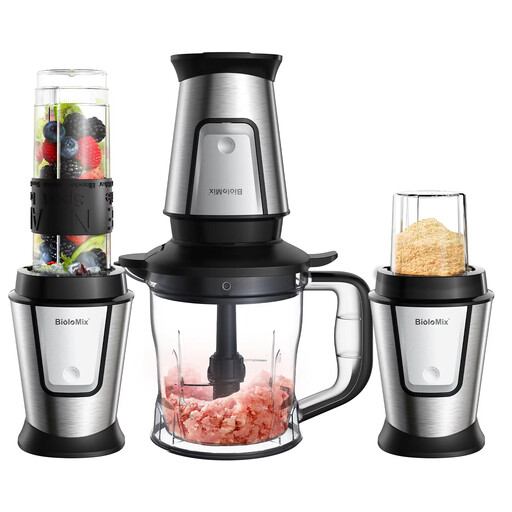
A jug blender for anyone who wants to blend soup in a jug.
The product description lists a 1500 ml glass jug, a chopper bowl and a 600 ml travel bottle. Check the model’s instructions before blending hot soup in the jug.
 No image available
A jug blender option for anyone who wants to blend soup in a blender jug.
The product title lists a 700 W motor and 24,000 rpm. These figures alone don’t tell you how smooth the soup will be, so check the instructions for hot ingredients too.
 No image available
The jug is designed for hot and cold preparations, and its usable capacity may suit making several portions of soup.
The product description lists a heat-resistant glass jug with a usable capacity of 1.5 litres. Follow the instructions for blending hot soup.
 No image available
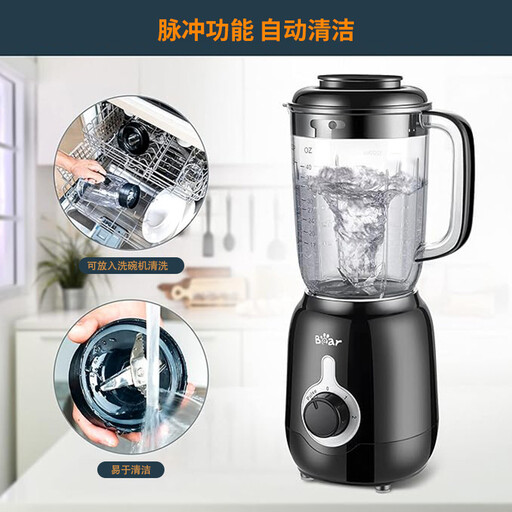
A tabletop blender for anyone who wants to make soup or purée in a jug.
The product description lists a 1.2-litre jug, two speeds and a pulse function. Check the instructions before blending hot soup.
Yes. Cook hard vegetables until soft first so they’re easier to blend. Add liquid if needed; this advice from Consumentenbond doesn’t guarantee a particular result with every appliance.
No. Check the manual for the exact model. For the models covered on its support page, Philips advises that ingredients should first be left to cool below 60 °C; this model-specific limit does not automatically apply to other blenders. A soup maker has its own fill and usage instructions.
Check which parts of the specific appliance can be detached, and follow the cleaning instructions in the manual. A detachable hand blender foot can make cleaning easier; don’t assume that every part is dishwasher-safe.
No. In the Netherlands, the statutory warranty has no fixed duration. According to the Rijksoverheid, a product must meet the standard you can reasonably expect; if it’s faulty, the retailer is your point of contact. A manufacturer’s warranty is separate from this statutory right.
CE marking is mandatory for electrical products where the applicable rules require it. The NVWA explains that separate testing of electrical consumer products is not automatically mandatory, so CE is not an independent performance label.