For a single watermelon drink, a compact blender with a drinking cup is a practical choice. If you often make several portions, look instead at a jug’s usable capacity. In a shared kitchen, cleaning each component and noise matter too. A quiet setting is a model specification, not proof that an appliance is quieter than other blenders.
Which type of blender suits you?
Quick single-serve maker
You usually make one watermelon drink and want to clear the cup away quickly after use in a shared kitchen. Compact models with a drinking cup and clear cleaning instructions for each component are worth considering. Philips describes the parts of the HR2670/01 as dishwasher-safe; for the nutribullet NB603DG, the manufacturer gives separate instructions for the cup and blade.
Noise-conscious housemate
You blend when other people are at home and want to consider noise as well as size and washing up. The Consumentenbond assesses noise as a separate test category. Tefal lists a quiet setting for the Blend Up BL19H4F0, but compares it with the appliance’s own maximum setting.
Maker of multiple portions
You regularly pour drinks for several people and may find a jug’s usable capacity more useful than a personal drinking cup. Check how much liquid the jug can actually hold; its advertised total capacity does not always tell you how much you can blend.
What should you look for when choosing?
Compact blender with a drinking cup
A good fit if: you usually make one portion and want to save space and avoid extra washing up.
Bear in mind: the fill capacity may be limited if you’re making several portions.
Compact blender with a quiet setting
A good fit if: you want a small drinking cup and a dedicated quiet setting matters to you.
Bear in mind: comparing settings on one appliance doesn’t tell you how its noise levels compare with other blenders.
Blender with a jug
A good fit if: you regularly pour drinks for several people in one go.
Bear in mind: a jug and extra parts need storage space and take more effort to clean.
The Consumentenbond assesses blending results, noise and ease of use separately. Wattage alone won’t tell you how a particular model blends a watermelon drink.
| What to consider |
What should you look for? |
Who should pay particular attention? |
| Cleaning between users |
Check which parts are dishwasher-safe for each model and how to clean the blade. |
If I share the blender with housemates, I want to know how to clean the cup and blade after use. Around 26% of consumers put quick cleaning first. |
| Noise for housemates |
If noise is a deciding factor, look for a test of the exact model carried out under comparable conditions. |
When other people are at home, I want to judge whether blending will disturb them. Around 21% of consumers give minimising noise disruption their highest priority. |
| Portion size and space |
Compare the usable capacity, cups included and dimensions. |
If I sometimes pour drinks for several people, I want to know whether one cup is enough and where I can store the appliance. Around 21% of consumers choose mainly according to portion size and available space. |
| A smooth drink |
Look for smoothie test results for the exact model; wattage alone doesn’t prove how well it blends. |
If texture matters to me, I want to know how the appliance blends ingredients rather than looking only at wattage. Around 21% of consumers put blending results first. |
| Ice or frozen fruit |
Check whether the instructions allow ice or frozen fruit, and what conditions apply. |
If I want to add ice or frozen fruit, I check whether this is allowed for the model I’ve chosen. Around 11% of consumers consider this their main priority. |
Common mistakes when choosing
-
Assuming higher wattage means a smoother drink
The Consumentenbond assesses smoothie blending results separately; power doesn’t tell the whole story.
If texture is a deciding factor, compare test information for the exact model with its specifications.
-
Assuming a quiet setting means the blender is quiet
Tefal’s claim about the BL19H4F0’s quiet setting compares it with the maximum setting on the same model, not with other appliances.
To compare models, use a noise test carried out under comparable conditions.
-
Assuming a dishwasher-safe cup means the whole appliance is dishwasher-safe
The cleaning instructions for the cup and blade differ for the nutribullet NB603DG.
Check the instructions for the exact model and follow them for each component.
Brands to consider
Philips
According to Philips, the Blend & Go HR2670/01 is a compact blender with a portable cup, designed for single portions.
- Philips lists a 350 W motor, two speed settings and dishwasher-safe parts for this model.
- These specifications aren’t an independent assessment of noise or blending results with watermelon.
Tefal
According to Tefal, the Blend Up BL19H4F0 is a compact blender with two travel bottles and a quiet setting.
- Tefal lists removable blades, dishwasher-safe bottles and a cleaning setting.
- The quiet-setting claim compares it with the maximum speed of the same appliance; it isn’t a noise comparison with other models.
nutribullet
According to the manufacturer, the Original 600 NB603DG is a personal blender with a 700 ml cup.
- The manufacturer recommends cleaning the blade with soap and water and placing the cup on the top rack of the dishwasher.
- Before following these model specifications and cleaning instructions, check that the product listing is for the NB603DG specifically.
Braun
Braun’s range includes PowerBlend 3 blenders with a jug, making them suitable for preparing several portions.
- Braun describes the JB3272 SI as having a glass jug and two 600 ml Smoothie2Go bottles.
- The range information doesn’t include an independent noise measurement to compare this model with compact blenders.
Joybuy products for fruit drinks
These Joybuy products offer compact options for fruit drinks. Capacities and designs vary, so choose according to portion size, available space and how each component needs to be cleaned.
 No image available
Philips 3000 Series Mini Blender HR2510/90
The product information describes this mini blender as suitable for smoothies and soft fruit; compare its capacity with the amount you want to make at a time.
0,6 L; 350 W; ice crushing.
Joybuy
 No image available
Aigostar Marden BL-250
The stated 500 ml capacity can help you decide whether this version is right for the portion you usually make.
250 W; 500 ml glass jug.
Joybuy
 No image available
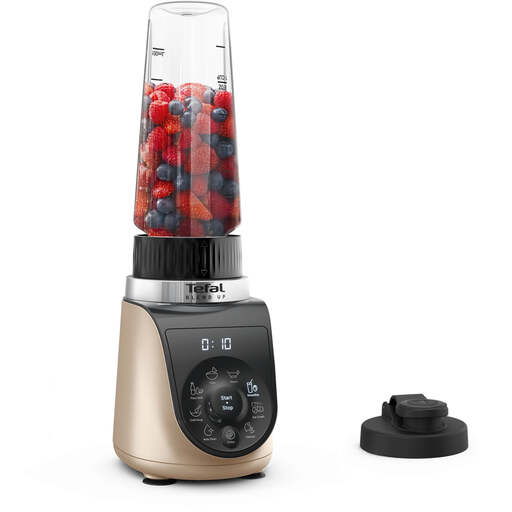
Tefal BL190A Blend Up
The product name identifies this model as a personal smoothie blender; check its capacity and cleaning instructions for the way you plan to use it.
Joybuy
 No image available
nutribullet Portable Personal Blender, 475 ml, White Beige
The product information mentions a drinking lid, which may be useful if you want to take your prepared portion with you.
475 ml; rechargeable battery; USB-C charging; 20-minute runtime.
Joybuy
 No image available
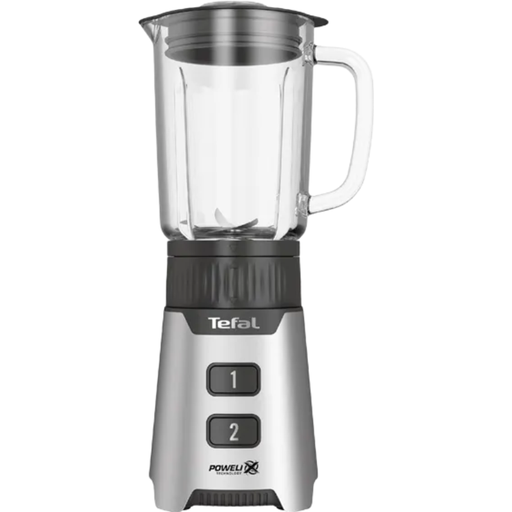
Tefal BL16GE30 Mini Blender
The product information describes a portable design with a drinking lid; compare its capacity with your usual portion size.
400 W; 700 ml capacity.
Joybuy
Frequently asked questions
Should I wash a watermelon if I’m not blending the rind?
Yes. The Voedingscentrum advises washing melons under running water before cutting them. Use clean kitchen utensils when preparing the drink too.
How do I clean the blender ready for the next person?
Clean the parts you’ve used according to the instructions for the exact model. For the nutribullet NB603DG, the manufacturer recommends cleaning the blade with soap and water and placing the cup on the top rack of the dishwasher; don’t apply this instruction to other models without checking first.
How long can I keep a homemade watermelon drink?
For a fruit smoothie, the Voedingscentrum recommends keeping it in the fridge for 1–2 days. If your recipe includes other ingredients, check the storage advice for those too.
Who should I contact if an appliance develops a fault after purchase in the Netherlands?
According to the Dutch government, if there’s a problem, you should contact the retailer to find a solution. A manufacturer’s guarantee or an extended guarantee doesn’t replace your statutory rights.
Does an electric blender sold in the Netherlands need a CE mark?
Yes. The Netherlands Food and Consumer Product Safety Authority states that electrical products must carry a CE mark. Check the CE marking and product information for the specific appliance; the general requirement doesn’t confirm that every product on offer complies.


