
Vandaag of morgen in huis

Kwaliteit gegarandeerd

Welkomstaanbiedingen ontgrendelen: GRATIS bezorging | Tot 80% korting | Gratis 30 dagen JoyPlus-proefperiode
Download de app
A blender and mixer may seem like similar appliances at first glance, but they are designed for different tasks. A blender processes liquids, fruit, vegetables and sauces using blades. A mixer beats, stirs or kneads using beaters and dough hooks. If you only look at the wattage or an attractive offer, you could end up buying an appliance that does not suit your everyday recipes.
Pay particular attention to these three common pitfalls:
Choose a countertop blender, smoothie blender or blender for smoothies if you mainly want to prepare drinks, soups, sauces, purées or frozen ingredients. A jug model is practical for families because you can prepare several portions at once.
A stick blender or hand blender is more compact and suitable for soup in a saucepan, small quantities of sauce, baby food or dips. Models with a chopper and whisk offer extra versatility without requiring a large food processor.
A kitchen mixer, stand mixer or mixer with a bowl is designed for baking and dough. The dough hook kneads bread and pizza dough, the beater mixes batter, and the whisk is suitable for whipped cream or egg whites. An electric mixer without a bowl is lighter and often quicker to store, but you have to hold the bowl yourself.
The stated wattage is a technical specification, but it is not a direct guarantee of a smoother result. Also look at the number of speeds, whether there is a pulse or turbo setting, and the recommended breaks.
Examples from the range:
For heavy yeast dough, check the maximum continuous operating time. For example, the Honinst manual states a maximum of ten minutes for heavy dough, followed by at least fifteen minutes of cooling. The AUCMA information specifies a maximum of six minutes of uninterrupted use. These limits are more important than simply choosing a high wattage.
First, consider how much you usually prepare. For a household that makes one smoothie at a time, a portable blender with a capacity of 400 to 530 ml may be sufficient. For several people, a countertop blender with a larger jug is more convenient.
Check the difference between total and recommended working capacity:
Also measure the space available on your worktop. An appliance standing over 40 cm tall may be difficult to fit beneath a kitchen cupboard. A portable blender is easier to store, but it generally has a smaller capacity and fewer options for hot or hard ingredients.
Parts that come into contact with food must be suitable for food use according to the product information. Several models mention BPA-free or Tritan cups. Also check whether the blades, jugs and accessories can be removed and whether the manual confirms that they are dishwasher-safe.
Follow these basic rules:
Claims about quieter operation, finer textures or automatic recognition come from the relevant brands’ product information. Treat them as product specifications or brand claims, and always compare the concrete details, such as decibel level, speeds and capacity.
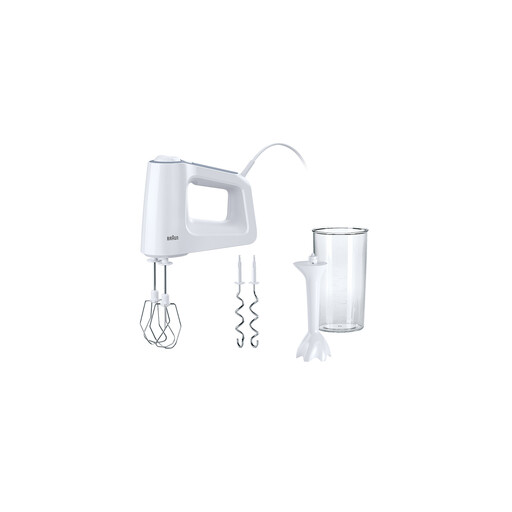
Why it suits this profile: A compact electric mixer for cake batter, whipped cream and simple baking recipes. The hand mixer takes up little space and has a non-slip handle.
The speed control ranges from low to turbo, so you are not limited to a single fixed setting. According to the product description, the motor is positioned above the accessories, creating a different weight distribution while mixing.
ComfortClick for attaching accessories, a non-slip handle and a flexible cable outlet. According to the product information, the appliance is covered by at least two years’ statutory warranty.

Why it suits this profile: For households that want to prepare larger portions, smoothies, iced drinks and different textures using both automatic programmes and manual control.
The jug capacity and manual speeds are clearly stated. The BlendSense function is a claim from Ninja’s product description; if you want complete control, you can also use the 14 manual speeds.
1,200 watts, a 2.1-litre jug, four programmes and a 700 ml cup. The manufacturer states that the product comes with at least two years’ statutory warranty in the EU.
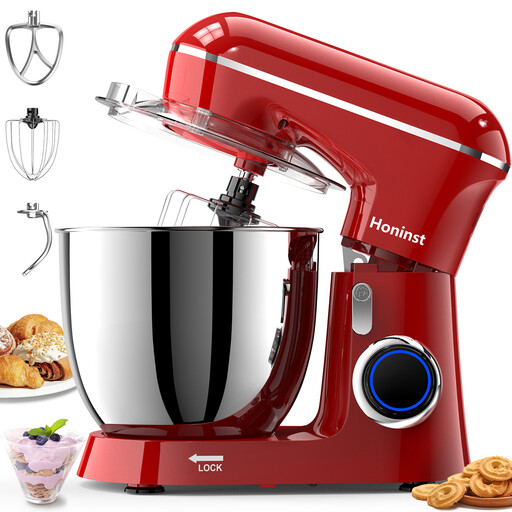
Why it suits this profile: A dough mixer for home bakers who regularly make bread, pizza, cakes or pastries and want to keep their hands free while mixing.
The manual specifies a clear limit for heavy yeast dough and a cooling break. This prevents high power from being mistaken for unlimited continuous use.
6.5-quart stainless-steel bowl, 10 speeds, tilt head and three accessories: dough hook, whisk and beater. The product information states that it has overheating protection.
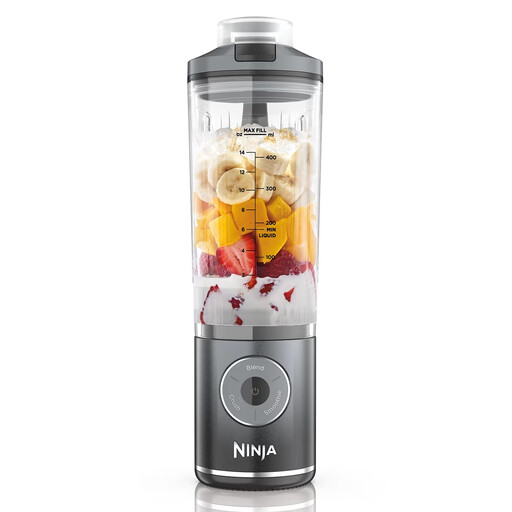
Why it suits this profile: Handy for a smoothie at the office, after a workout or in a kitchen with limited storage space. The blender works wirelessly using a rechargeable battery.
Its portability comes with a clearly stated capacity of two 530 ml cups. This makes it clear in advance that the model is intended for individual portions rather than large family-sized preparations.
150 watts, USB charging, a leak-proof lid and dishwasher-safe parts according to the product description. Use the fill mark and do not prepare hot liquids.
We have compiled a complete, up-to-date list of products that fully meet these strict selection criteria and the applicable European safety regulations.
Energy consumption depends on the wattage and usage time. A stick blender often has a shorter preparation time and is suitable for small portions. A countertop blender may be more efficient when you are making several portions at once. Always compare the wattage with your own usage situation.
The lifespan depends on the workload, maintenance and following the operating times specified in the manual. Overloading, running the appliance for too long without a break and cleaning it incorrectly can accelerate wear. Check the accessories regularly, and do not replace damaged cables or parts yourself when this must be carried out by the manufacturer.
A multifunctional kitchen mixer can mix, beat and knead, but it is not a fully fledged blender. A hand blender with a chopper can perform several small tasks, but usually has less capacity than a food processor. Choose based on the two or three recipes you make most often rather than simply the number of accessories included.
