
Vandaag of morgen in huis

Kwaliteit gegarandeerd

Welkomstaanbiedingen ontgrendelen: GRATIS bezorging | Tot 80% korting | Gratis 30 dagen JoyPlus-proefperiode
Download de app
A blender and stand mixer may look like similar kitchen appliances at first, but they’re designed for different tasks. A blender is mainly used with liquids, fruit, vegetables and ice. A stand mixer is designed for batters, cream and dough. If you choose based only on wattage or the number of functions, you could end up with an appliance that doesn’t suit the way you use it every day.
These three pitfalls are common:
Power is measured in watts, but don’t compare models on this figure alone. A smoothie blender for soft fruit has different requirements from an ice-crushing blender or an appliance that processes nuts and hard vegetables.
Check the instruction manual too. Some compact models can only run for short periods before they need to cool down. For example, the ochama Multifunction Blender instructions state that it shouldn’t run continuously for more than one minute, followed by a rest period. This matters if you want to prepare large quantities of soup, nut butter or crushed ice.
A blender with multiple speed settings and a pulse function gives you more control. A low setting is suitable for gentle mixing, while a higher setting helps make smooth smoothies and sauces. The pulse function is handy for short bursts of power.
For a family, a capacity of around 1.5 litres is useful for preparing several portions. Always check the difference between total capacity and recommended working capacity. For example, the Philips HR3020/20 has a 2-litre jug, with a stated working capacity of 1.5 litres.
A blender with a glass jug is described as heat- and scratch-resistant, but glass is heavier and more fragile than plastic. The Emerio BL-130988 has a 1.5-litre glass jug and dishwasher-safe parts. Check the safety instructions before blending hot liquids; this model has a stated maximum temperature of 60 °C.
For baking, bowl capacity is the main consideration. A dough mixer with a 5- or 6-litre bowl gives you room to prepare larger quantities, but it also takes up more worktop space. So check its dimensions and weight, as well as how stable its feet are.
A stick blender is handy for soup, sauces and small portions. A hand mixer with beaters and dough hooks is better suited to cake batter, whipped cream and light dough. A food mixer or stand mixer with a whisk, beater and dough hook is a better choice if you regularly make bread, pizza or cakes.
Check the following before you buy:
Claims about features such as automatic programmes, quiet operation or a longer lifespan come from information provided by the brand or seller. Treat them as product specifications, rather than guaranteed results for every recipe.

Why it suits this type of user: This compact blender combines a 600W motor with a 1.5-litre jug and functions for making smoothies, preparing food, chopping herbs and making baby food.
The product information describes a design that’s easy to dismantle. The warning about using short cycles helps prevent overheating from blending for too long.
600W power, three speeds and a range of uses in a relatively compact design.

Why it suits this type of user: This countertop blender is designed for families who want to make smoothies, soups and sauces in several portions.
The stated working capacity of 1.5 litres makes it clear that the jug’s total capacity isn’t the same as its recommended filling capacity.
1000W motor, three speeds plus a pulse function, and removable, dishwasher-safe parts according to the product description.
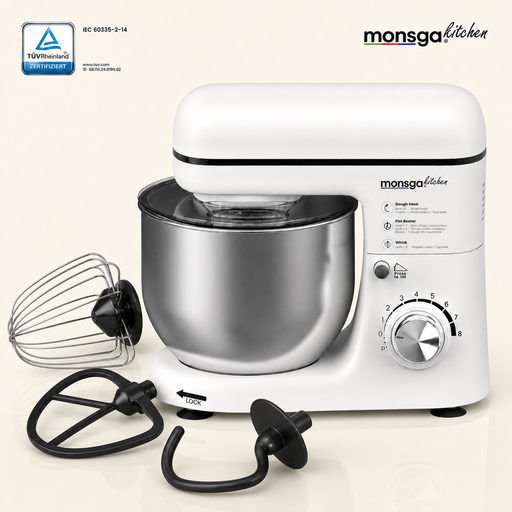
Why it suits this type of user: This stand mixer is designed for keen bakers who regularly make dough, cake batter, biscuits or whipped cream.
The bowl, dough hook, whisk and flat beater are clearly specified. The recommended usable capacity of 5 litres helps you avoid choosing based solely on the maximum capacity of 6 litres.
1000W peak power, eight speeds, a stainless-steel bowl and dishwasher-safe accessories according to the product information.
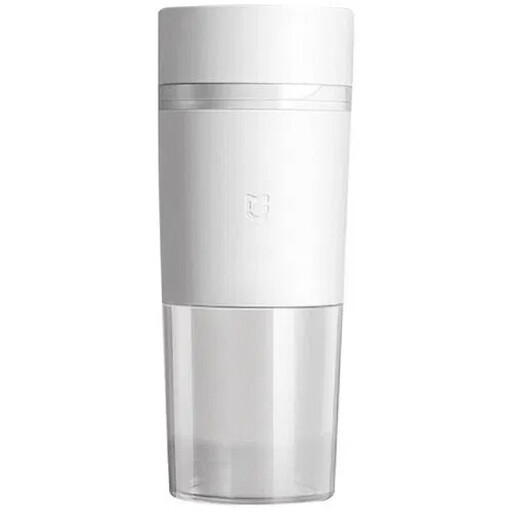
Why it suits this type of user: This portable blender has a 400 ml capacity, a rechargeable battery and a USB-C connection for making smoothies and shakes on the go.
Its limited capacity makes it clear that this model isn’t designed for family-sized portions or tough ingredients. The safety information states that hot liquids must not be blended.
400 ml capacity, rechargeable design and USB-C charging for use at home, in the office or while travelling.
We’ve put together a complete, up-to-date list of products that meet these strict selection criteria and the applicable European safety requirements.
A blender liquefies or finely chops ingredients, for example for smoothies, soups, sauces and baby food. A stand mixer uses beaters, a flat beater or a dough hook for batters, cream and dough. A combination appliance with food processor accessories may offer both functions, but check carefully which accessories are actually included.
A lower-powered model may be enough for soft ingredients and everyday smoothies. For ice, frozen fruit and hard vegetables, a more powerful motor is more practical. As well as wattage, look at the blade design, pulse function, recommended operating time and maximum filling capacity.
Energy use depends on the appliance’s power and how long you use it for. A 1000W appliance running for five minutes uses approximately 0.083 kWh in theory. In practice, blending usually takes just a short time. Cleaning the appliance regularly, not overfilling the jug and following the recommended rest periods can also help you use it in line with the instructions.
