
Host serving several glasses
You want to serve the same drink to friends quickly and are choosing between small blending batches and a larger jug. The Consumentenbond describes smoothie blenders as models with a small blending cup.


Choose based on how much you want to serve at a time: a blender with a larger jug may be more practical for serving several friends, while a personal blender is suited to making smaller batches one after another. The personal blenders reviewed have stated cup capacities of 0.6 to 0.7 litres (Bosch Nederland, nutribullet and Tefal Nederland), so be prepared to blend several batches. Wattage alone does not prove that one blender makes smoother lassi than another.
You want to serve the same drink to friends quickly and are choosing between small blending batches and a larger jug. The Consumentenbond describes smoothie blenders as models with a small blending cup.
You want to blend fruit with yoghurt and are checking the ingredient instructions. A stated motor power, on its own, is no proof of a particular texture.
You want to wash as few parts as possible after your guests leave, so check the manufacturer's instructions to see which parts are dishwasher-safe.
First decide how much lassi you want to make per serving round. Then compare the ingredient instructions and how much cleaning you can expect after each batch.
| What to consider | What to look for | Who is this most important for? |
|---|---|---|
| Servings for guests | Compare the maximum fill level, the number of cups included and the amount you can make per serving round. | If I want to pour drinks for several friends at once, I need to know whether I’ll have to blend in batches; around 36% of consumers prioritise serving size when entertaining. |
| Blending and texture | Check the instructions for chilled or frozen ingredients, the amount of liquid needed and the permitted blending time. | If you want to blend fruit and yoghurt to your preferred lassi texture, check the ingredient instructions; around 29% of consumers focus mainly on blending and texture. |
| Cleaning | Check the cleaning instructions for each part; don’t assume the motor base is dishwasher-safe. | If I’m making several batches, I need to know how many parts I’ll have to clean in between; around 21% of consumers want to tidy up quickly. |
| Using it without a plug socket | Check the cup capacity, charge level and product instructions for your ingredients. | If you want to blend away from the kitchen while entertaining, a model that works without a plug socket could be useful; around 14% of consumers prioritise blending on the go. |
A cup’s stated capacity is not the same as its maximum fill level or the amount of lassi you’ll end up with.
Check the fill marker and plan your servings before choosing a model.
The stated wattages are manufacturers’ specifications, not a comparison using the same recipe under the same conditions.
Check the ingredient instructions and, if texture is a deciding factor, look for independent tests of the exact models you’re comparing.
According to nutribullet, the nutribullet Portable NBP003B reviewed has a 475 ml cup, which is smaller than those of the corded models reviewed.
Choose a portable model only if blending without a plug socket matters more to you than making several servings quickly, one after another.
The Blend Up Essential BL1EHB is worth considering if you want to compare two cup sizes and a range of programmes.
The VitaPower Serie 2 MMB2111S is a compact blender with a to-go cup.
The Original NB603B and rechargeable Portable NBP003B are different models and should be compared separately.
The 3000 Series Mini HR2510/90 is worth considering if compact storage and easy cleaning are important to you.
This selection includes jug blenders for larger batches and a compact blender for smaller servings. Compare the capacity with the amount you want to serve, and remember to allow for the maximum fill level.
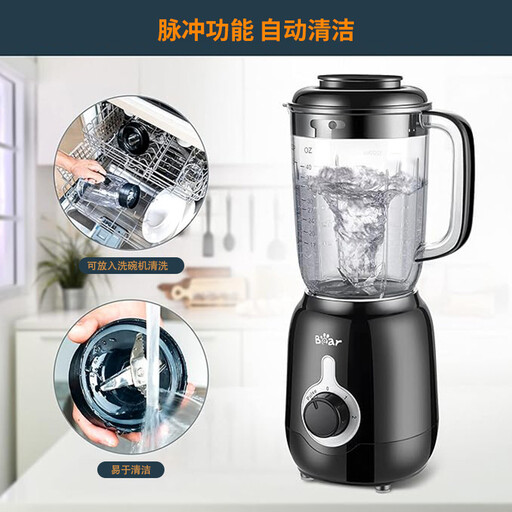 No image available
The jug capacity gives you a starting point for planning a larger batch for guests; remember to allow for the maximum fill level too.
The product information lists a 1.2 l capacity, 500 W, 2 speeds plus a pulse function, four stainless steel blades and a self-cleaning function.
 No image available
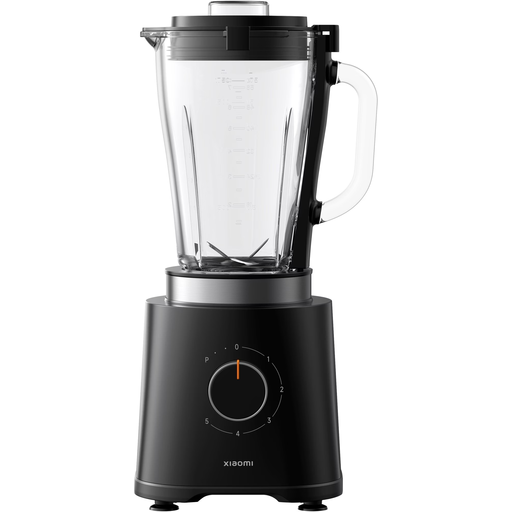
The 1.75 l jug can help you plan a larger batch; adjust the amount to match the filling instructions.
The product information lists 1600 W, 35.000 rpm and a Tritan jug. It has five automatic programmes, including smoothies, and an Auto-Clean programme; the jug is listed as dishwasher-safe.
 No image available
The stated 2.1 l jug capacity gives you a starting point for larger batches; check the maximum fill level for your recipe.
The product information lists an ice crusher, 14 manual speeds and automatic programmes. It also mentions fresh and frozen ingredients.
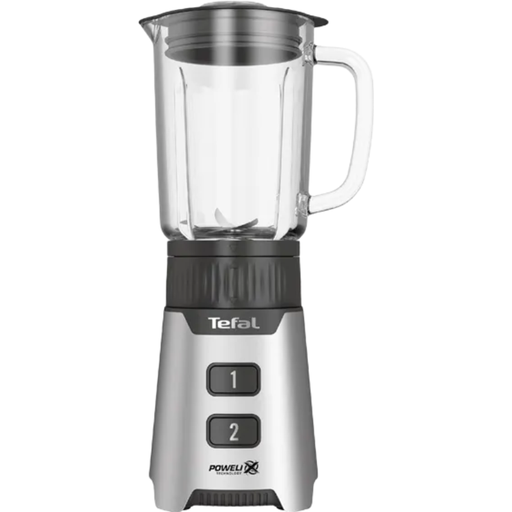
 No image available
The stated jug capacity can help you plan a larger batch for guests; follow the filling instructions for your recipe.
The product information lists a 1.75 l glass jug, five speeds, a pulse function and automatic cleaning.
 No image available
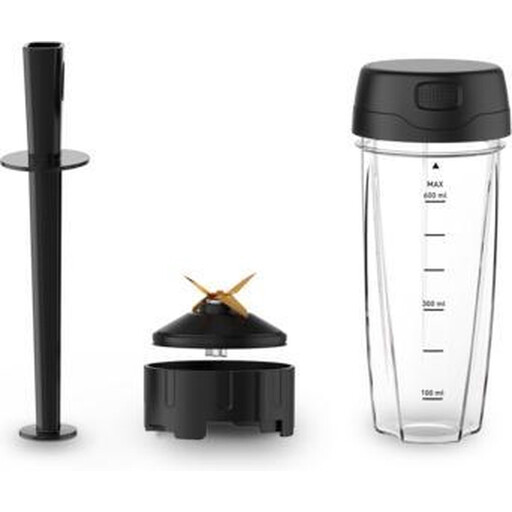
This compact model is designed to make smaller batches at a time; you may need to blend several batches for multiple guests.
The product information lists 400 W, a 700 ml capacity, two speeds, a travel drinking lid and removable blades. Dishwasher-safe parts are also mentioned.
That depends on the maximum fill level and how much you want to serve. The 0.6 and 0.7 l cups reviewed are likely to require several batches when entertaining; a blender with a larger jug is an alternative if you’d rather make a bigger batch.
No. The stated wattage alone does not prove a particular texture. Follow the instructions for your ingredients and compare independent tests of the exact models if the result is a deciding factor.
Follow the cleaning instructions for each part. Bosch lists dishwasher-safe parts for the MMB2111S; Tefal lists dishwasher-safe bottles and removable blades for the BL1EHB. This does not mean the motor base can go in the dishwasher.
The Voedingscentrum advises chilling highly perishable food and drink at 4 °C and not leaving it out of the fridge for more than two hours. This is food safety advice, not a blender product specification.
No. According to the Rijksoverheid, the Netherlands does not have a fixed statutory warranty period: you are entitled to a product that works as it should, and the retailer is your point of contact if there’s a problem. A manufacturer’s warranty is an extra benefit.