
A colleague who wants to keep noise down
Makes a smoothie while others are working nearby and wants to know whether the chosen spot is suitable. A manufacturer’s claim that a blender is quiet is not the same as a comparable noise measurement.


For a single smoothie made with soft melon, a compact blender with a suitable blending and drinking cup is often more practical; a jug is better if you’re making drinks for several colleagues at once. Choose a rechargeable model if there’s no socket available, and don’t assume a blender is quiet just because the manufacturer says so. Also check the fill markings, cleaning instructions and any rules about using appliances at your workplace.
Makes a smoothie while others are working nearby and wants to know whether the chosen spot is suitable. A manufacturer’s claim that a blender is quiet is not the same as a comparable noise measurement.
Wants to blend melon in a suitable cup, drink from it or take the smoothie away, then clean the parts used.
Needs to move the blender or smoothie, or doesn’t always have a socket nearby. A rechargeable model will need charging and may come with a smaller cup.
First decide how much you want to blend at a time and where you can do it. Then compare how easy each model is to clean and what information is available about its noise. Wattage alone won’t tell you how loud a blender is or what texture your smoothie will have.
| What to consider | What to look for | Who is this most relevant to? |
|---|---|---|
| Noise in the office | Look for an independent noise measurement of the exact model and check where you’re allowed to use it. The Consumentenbond treats noise as a separate test topic. | If I’m blending while colleagues are working nearby, I want to know first whether the place and time are suitable. Around 28% of consumers in this buying guide put noise at the top of their list. |
| Serving size | Compare the blending or working capacity with your ingredients, and take note of the maximum fill marking. | For one drink, I don’t want to use an unnecessarily large jug; if I’m making drinks for colleagues, I need enough capacity. Around 22% of consumers give serving size top priority. |
| Cleaning and storage | Check which parts of the exact model are dishwasher-safe and how to clean the blade unit. Also consider whether there’s a fridge available for cut fruit. | After blending, I want to be able to clean the cup and parts without a complicated routine, and store cut melon appropriately. Easy cleaning is the top priority for around 22% of consumers. |
| Taking it with you and power supply | Check the power source, the cup and lid supplied and, for rechargeable models, the stated number of blending cycles and charging requirements. | If I don’t have a regular kitchen space, I want to be able to take my smoothie with me or blend somewhere without a socket. Portability and access to power are the top priority for around 17% of consumers. |
| Texture and ingredients | Check the manual to see which ingredients the model can handle and follow the instructions for cutting, liquid and maximum filling. | I mainly want to know whether the model is suitable for my recipe; extra suitability for hard or frozen ingredients only matters if I use them. Around 11% of consumers prioritise texture or other ingredients. |
A manufacturer’s description doesn’t prove that one model is quieter than another. The Consumentenbond lists noise as a separate test topic, but a useful comparison needs to cover the exact models.
Look for comparable independent measurements and agree with colleagues where the blender can be used.
A larger capacity can mean more storage space and cleaning. Wattage on its own doesn’t prove that your smoothie will have a particular texture.
Start with your serving size and ingredients; only choose extra capacity or features if you need them.
The stated cup capacity doesn’t mean you can fill it to the brim with melon and liquid.
Follow the maximum fill marking and secure the blending cup as instructed in the manual.
A product page may show an availability message or use a model name that doesn’t include the manufacturer’s full model number.
Before ordering, check the full model number, current availability and product details.
The VitaPower Serie 2 MMB2111S is designed for making a smoothie in a to-go cup.
The KITCHENminis 0416500011 is designed for blending in one place and taking your drink with you in one of the bottles.
The Lightmix BL1C02 is a portable option for a small serving and use without a socket.
The PowerBlend 1 JB1051BK combines a blender jug with an included to-go bottle.
These products suit different office situations: making a single serving, taking a smoothie with you or using a jug.
 No image available
The 0.6 l jug is a good size for a smoothie for one.
The product information lists two speeds and removable dishwasher-safe parts.
 No image available
The blending cup with a replaceable drinking lid is designed for a smoothie you can take with you.
The product information lists removable dishwasher-safe parts.
 No image available
This portable blender with a rechargeable battery is designed for making a smoothie without a mains power supply.
The title mentions USB-C charging; the product information lists a drinking lid and removable parts that can be rinsed with soap and water. Charging is still part of using it.
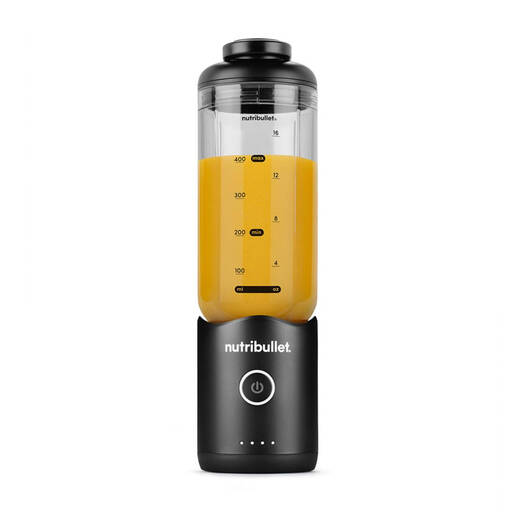 No image available
This portable blender with a rechargeable battery is suitable for a smoothie on the go or somewhere without a permanent power supply.
The product information lists a 590 ml cup, USB-C charging and a removable blade assembly.
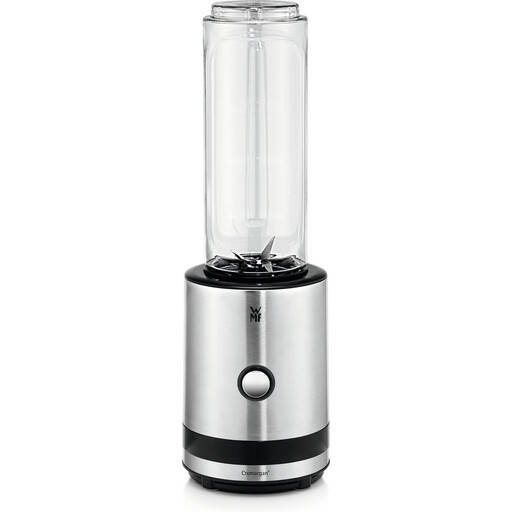 No image available
The product information lists two 600 ml drinking bottles with leakproof lids, so you can take a smoothie with you.
It also mentions four stainless steel blades and dishwasher-safe bottles. Before ordering, check that the product variant listed matches the model you’re looking for.
Not for soft melon alone. According to the Consumentenbond’s buying advice, a standard blender can make smoothies; uses such as crushing ice may be a reason to consider a high-powered blender. Check the ingredients and maximum fill level in the manual for the model you choose.
Clean the parts you’ve used according to the model’s manual. The Voedingscentrum advises keeping cut melon covered in the fridge and recommends storing a fruit smoothie in the fridge for 1–2 days. If you add dairy, check the advice that applies to that combination.
For a consumer purchase, the retailer is responsible for the legal guarantee if a product doesn’t meet what you can reasonably expect when using it normally. Online purchases generally come with a statutory 14-day cooling-off period after delivery; check which exceptions and conditions apply to trying and returning the product.
Electrical appliances placed on the market in the EU must meet the applicable safety requirements and carry the required CE marking. Rules for food contact materials also apply to parts that come into contact with food. These general requirements don’t confirm that a specific product on offer complies with them; check the product information and instructions for use.