
Cooking for a group
Wants to make mango purée in one go if possible, so compares the usable capacity of blenders. Philips lists an effective capacity of 1 l for the HR2041/00; Tefal lists a usable capacity of 1.5 l for the BL871D31.


Start by considering how much mango purée you want to make at once, then compare the usable capacity rather than just the maximum jug capacity. According to the Dutch Consumers’ Association, a standard blender can purée food; extra settings are mainly useful if you want to adjust the texture or use the blender for other recipes too. The specifications listed are not the result of a comparative test using mango.
Wants to make mango purée in one go if possible, so compares the usable capacity of blenders. Philips lists an effective capacity of 1 l for the HR2041/00; Tefal lists a usable capacity of 1.5 l for the BL871D31.
Wants to adjust the blend as they go, so looks for different settings and a pulse function. Tefal and nutribullet list these controls for specific models; they do not guarantee a particular result with mango.
Makes smaller quantities or is happy to blend in several batches in return for a compact appliance. According to Bosch, the MMB2111S has a 0.6 l blending cup.
First, compare the usable capacity with the portion you want to make. Then consider which controls and cleaning features really matter for the way you’ll use it.
| What to consider | What to look for | Who should pay particular attention? |
|---|---|---|
| One-batch portion size | Compare the amount you want to make with the listed usable capacity and the model’s fill line. | If I’m making mango purée for several people, I want to know whether the whole portion will fit in one go. Around 36% of consumers with this buying need mainly consider portion size. |
| Desired texture | Check whether the model has a pulse function or adjustable settings, and what the instruction manual allows. | If you want to adjust the purée to your liking, the controls are what matter most. Around 29% of consumers make texture control their main consideration. |
| Cleaning | Check which parts are dishwasher-safe and how to clean the blades safely. | After cooking, I’d rather not have lots of parts to wash by hand. Easy cleaning is the main priority for around 21% of consumers. |
| Space and features | Compare the dimensions and capacity with the space you have, and choose only the features you’ll use. | If I usually make a small portion, a compact appliance may be more practical, even if I sometimes have to blend in several batches. Space and simplicity are the most important considerations for around 14% of consumers. |
The maximum capacity listed may be greater than the amount you should use when planning a recipe. Philips lists a maximum capacity of 1.9 l and an effective capacity of 1 l for the HR2041/00; Tefal distinguishes between a 2 l jug and a usable capacity of 1.5 l for the BL871D31.
Compare the usable capacity and follow the fill line for the specific model.
A higher stated wattage or more programmes don’t prove that a blender works better with ripe mango unless it has been tested in a comparative blending trial. The Dutch Consumers’ Association says a standard blender is suitable for puréeing.
First, decide on your portion size and preferred texture. Don’t treat claims about speed or smoothness as comparative test results.
The Tefal BL871A and BL871D31 have different full model numbers. Being part of the same product range or having a similar capacity doesn’t automatically make them identical.
Before buying, check the full model number, specification and what’s included with the product.
The HR2041/00 is a standard jug blender for anyone who doesn’t need a wide range of programmes.
The PerfectMix+ BL871D31 is designed for anyone who values usable capacity and adjustable controls.
According to the manufacturer, the Full Size Blender Combo NBF500MB combines a jug with to-go cups.
The MMB2111S is a personal blender for smaller portions when a compact design matters more than making a large batch to share.
This selection includes jug blenders with a stated capacity or adjustable settings to compare for mango purée you’ll be sharing with others.
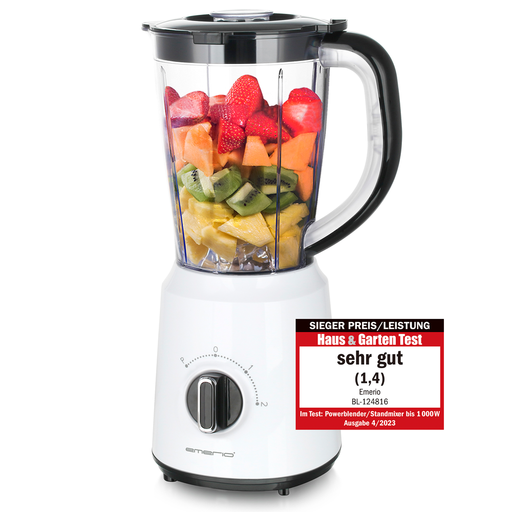 Image unavailable
The stated jug capacity gives you a figure to compare with the portion you want to make.
Specifications: 1.5 l; 2 speeds; white.
 Image unavailable
The stated capacity and three speed settings are useful points of comparison if you’re making a portion to share and want to adjust the controls.
Specifications: 600 W; 1.5 l; 3 speed settings.
 Image unavailable
The stated capacity is worth comparing with the portion you want to make. Check the full model number: the BL871A is not the same model as the BL871D31.
Specifications: 1200 W; 1.5 l usable capacity; variable speed control and pulse function.
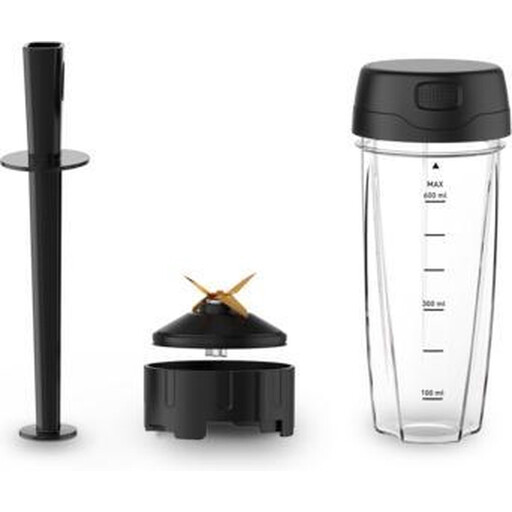 Image unavailable
The jug capacity gives you a starting point for deciding whether the blender will suit the portion you want to share.
Specifications: 1600 W; 1.75 l; 35000RPM; the product description lists five programmes and manual speed and time controls.
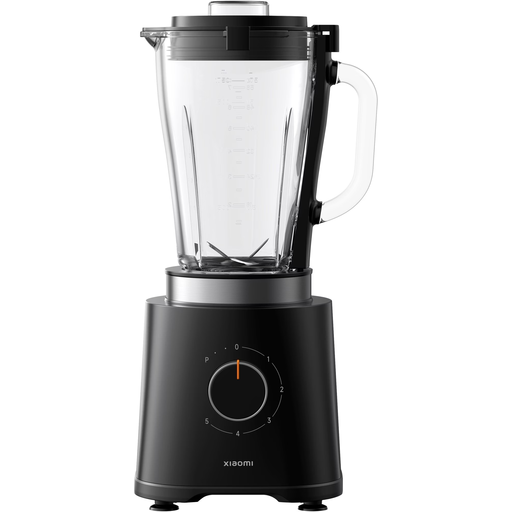 Image unavailable
The product description lists a 1.75 l glass jug, a pulse function and automatic cleaning; compare the capacity with the portion you want to make.
Specifications: 5 speeds; multiple attachments; 1.75 l glass jug according to the product description.
No, not just to purée mango: according to the Dutch Consumers’ Association, a standard blender can purée food. A power blender may be worth considering for tougher jobs, such as crushing ice, according to its buying advice; first compare the usable jug capacity with the portion you want to make.
According to the Netherlands Nutrition Centre, store the pieces in a sealed container in the fridge. The Centre recommends a fridge temperature of 4 °C for safely chilling and storing food. This should not be taken as guidance on how long homemade purée will keep.
In the Netherlands, if a product doesn’t do what you could reasonably expect under normal use, you can claim under the statutory guarantee and contact the seller. According to ACM ConsuWijzer, a manufacturer’s guarantee does not automatically limit this legal right. Online purchases also generally come with a cooling-off period of up to 14 days after delivery, subject to legal exceptions.
The Netherlands Food and Consumer Product Safety Authority (NVWA) includes kitchen appliances among the electrical equipment that must meet applicable statutory safety requirements. According to the European Commission, CE marking is required when specific harmonised EU rules apply to the product. CE marking alone is not independent approval or proof of blending performance.