What should you look for in a blender for mango lassi?
Compact blender with drinking cup
Choose this if: you usually make one glass, have a plug socket and want to save worktop space.
Bear in mind: you’ll need to blend in batches if you’re making lassi for several guests.
Mains-powered jug blender
Choose this if: you want to make lassi for several guests at once or prefer to pour it from a single jug.
Bear in mind: the jug and motor base take up space and are less convenient to transport.
Rechargeable personal blender
Choose this if: you make small servings somewhere without a plug socket nearby.
Bear in mind: cup capacity and the number of blending cycles per charge are limited; check the instructions for ice too.
First decide how many glasses you want to make per blend, then consider the ingredients and the power supply available.
| Consideration |
What to look for when buying |
Who is this important for? |
| Small servings and limited space |
Compare the cup capacity, removable parts and cleaning instructions for the exact model. |
If I’m making one glass and have limited space in the holiday kitchen, I want a compact cup that’s easy to clean. Around 37% of consumers say small servings and limited space are their main considerations. |
| Several glasses |
Compare the jug’s usable fill level with the amount you want to pour at once. |
If I’m making lassi for several guests, I want to know how much I can blend in one go. Around 27% of consumers prioritise making several servings per blend. |
| Frozen mango |
Check the instructions for the specific model on frozen fruit and ice; don’t judge suitability by wattage alone. |
If I want to use frozen mango, I want to know in advance what the manufacturer says the exact model can handle. Around 18% of consumers prioritise blending frozen mango. |
| Blending without a plug socket |
Check how to charge the model, its cup capacity and the stated number of blending cycles per charge. |
If I can’t blend near a plug socket, a charged battery matters more than having a dedicated spot on the worktop. Around 18% of consumers prioritise blending without a plug socket nearby. |
Blenders for different serving sizes and uses
This selection from Joybuy includes everything from jug blenders for several servings to compact and portable models for smaller portions.
 No image available
Cecotec Power Black Titanium 1300Max, 1,5 l
This jug blender is an option for making several servings.
1300 W, 1,5 l jug, 4 blades and an ice-crush function, according to the product name.
View at Joybuy
 No image available
Aigostar Marden BL-250, 250 W, 500 ml
The 500 ml capacity is worth considering if you want to make one smaller serving.
250 W and a 500 ml glass jug, according to the product name.
View at Joybuy
 No image available
Philips Blender HR3020/20, 1000 W
The jug capacity makes this model worth comparing if you want to make several servings.
1000 W and a 1,5 l jug, according to the product name.
View at Joybuy
 No image available
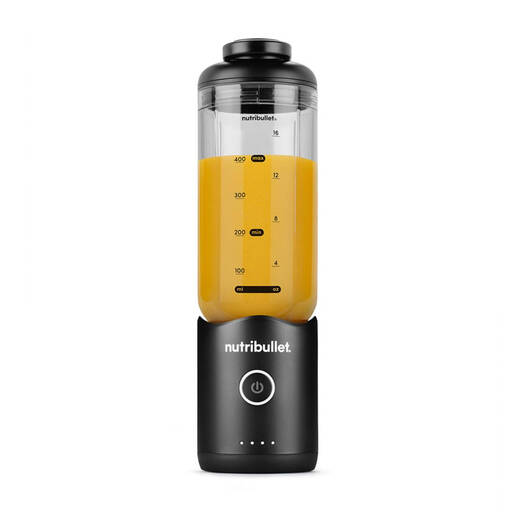
nutribullet Flex, 590 ml, black
This rechargeable portable model is designed for blending without being plugged into a socket.
590 ml capacity, rechargeable battery and USB-C charging, according to the product name.
View at Joybuy
 No image available
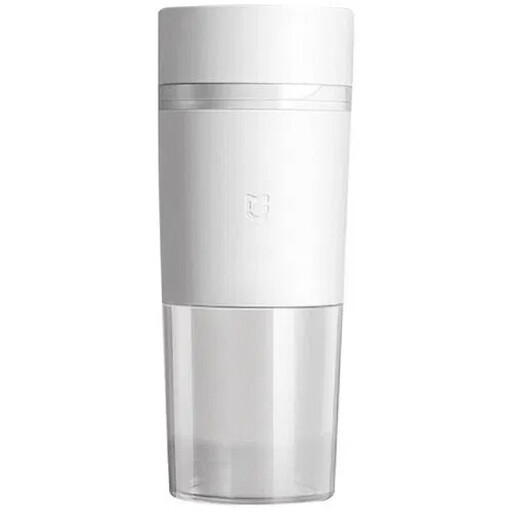
Xiaomi Portable Blender EU
A portable blender worth comparing if you want to take a small serving with you.
View at Joybuy
Frequently asked questions
Can I use a regular blender to make mango lassi?
Yes, a regular blender may be suitable for mango lassi made with ripe mango and yoghurt. The Dutch Consumers' Association describes a regular blender as suitable for smoothies; choose a cup or jug size to suit the number of servings you want to make.
Does a blender for lassi need to crush ice cubes?
No, not if you’re using ripe mango and yoghurt. If you want to add frozen mango or ice, check the instructions for the exact model; for the nutribullet Portable NBP003YE, the manufacturer specifies only a small amount of ice.
What should I do with the yoghurt and leftover lassi after blending?
Clean the cup and blades according to the model’s instructions, and promptly return perishable ingredients and any leftover drink to the fridge. The Netherlands Nutrition Centre recommends a fridge temperature of 4 °C and advises that highly perishable food should not be left out of the fridge for more than two hours.
What if the blender breaks while I’m on holiday?
If you buy a product in the Netherlands and it is faulty, the seller must put things right. According to the Dutch government, there is no fixed statutory guarantee period; factors such as normal use, the expected lifespan and the cause of the fault are taken into account.
What should I check for electrical safety when buying a blender?
Check the instructions and make sure the appliance is compatible with the power supply in your holiday cottage. According to the European Union’s Your Europe, CE marking is compulsory for products covered by harmonised EU rules. Where those rules apply, the mark is the manufacturer’s declaration that the product complies when placed on the market; it is not a quality mark issued by a central EU body.


