
Cook making small portions
You’re making herb oil for one meal and want the blades to reach the mixture properly, even when using a modest amount of herbs and oil.


For a small amount of herb oil, a stick blender with a suitably tall beaker is often practical. A personal blender may suit you if you also make other compact, liquid preparations. A jug blender makes most sense if you regularly prepare larger quantities of sauce or smoothies too. Check the box contents and the instructions for making small portions for each model. As the Netherlands Nutrition Centre advises, don’t store homemade herb oil outside the fridge for extended periods.
You’re making herb oil for one meal and want the blades to reach the mixture properly, even when using a modest amount of herbs and oil.
You’d like to use the appliance for larger quantities of liquid sauce or smoothies too, so the jug capacity and cleaning requirements matter.
You want to use the same set to finely chop herbs and purée sauces. Compare which accessories are actually included with the version you’re considering.
Best for: a small portion of herbs and oil, with minimal space needed and washing up.
Bear in mind: the blending foot needs to reach the mixture properly in your chosen beaker; check which beaker is included.
Best for: anyone who regularly chops herbs, onions or nuts separately as well as making herb oil.
Bear in mind: a chopper adds parts to clean and doesn’t automatically replace a suitable blending beaker.
Best for: anyone who also wants to make other compact, liquid preparations in a blending cup.
Bear in mind: the cup’s maximum capacity doesn’t tell you the minimum amount of herb oil it can blend properly; follow the model’s instructions.
Best for: anyone who regularly makes larger quantities of sauce or smoothies as well as herb oil.
Bear in mind: Consumentenbond says jug blenders are less suitable for small portions; they often take up more space and mean more washing up.
A Dutch recipe for herb oil recommends either a blender or a stick blender with a tall beaker. Consider its ability to purée a small portion separately from extra features such as chopping.
| What to consider | What should you check? | Who is this important for? |
|---|---|---|
| Small portion | Check the minimum working quantity and whether the blades or blending foot reach your portion. | If I’m only making herb oil for one meal, I don’t want to rely on the beaker’s maximum capacity; around 36% of consumers focus mainly on small portions. |
| Larger preparations | Compare the usable capacity with other recipes and assess suitability for small portions separately. | If I also make larger quantities of sauce or smoothies, the appliance’s capacity matters; around 29% of consumers prioritise larger liquid preparations. |
| Cleaning and storage | Check which parts can be removed and follow the cleaning instructions in the manual. | If I want to do minimal washing up after making a small portion and have limited cupboard space, I compare the number of parts; around 21% of consumers focus mainly on cleaning and storage. |
| Chopping ingredients | Check the full model code and box contents; compare chopping and puréeing separately. | If I also want to chop herbs, onions or nuts separately, I want to know whether the set includes a chopper for this; around 14% of consumers focus mainly on extra chopping functions. |
A jug blender may work well for larger liquid preparations, but Consumentenbond identifies small portions as a limitation. Maximum capacity alone doesn’t tell you whether the blades will reach a small amount of herb oil.
Check the minimum working quantity for the exact model and compare it with the portion you want to make.
An awkwardly large jug can take up more worktop space and mean extra washing up.
Accessories can vary between models and versions. Braun’s official product information for the MQ10.001MWH lists a measuring beaker and blending foot; check the box contents before counting on a chopper.
Ask the retailer to confirm the contents using the full model code, and assess the chopping and puréeing functions separately.
The Netherlands Nutrition Centre warns of a botulism risk with homemade herb oil, particularly if it’s stored outside the fridge for extended periods.
Make a suitable amount for your meal and don’t store leftovers outside the fridge for extended periods.
According to Bosch, the Bosch MSM66120 combines a stick blender with a measuring beaker and chopper, making it a good option if you want to blend and chop ingredients separately.
According to Braun, the Braun MultiQuick 1 MQ10.001MWH is a straightforward stick blender with a measuring beaker for blending and making sauces.
The nutribullet Original 600 NB603B is a personal blender for anyone who also makes other compact, liquid preparations.
According to Tefal, the Tefal Blendforce Cook BL5768F0 combines a jug for cold preparations with a separate mini chopper.
These models are suited to puréeing herb oil with a stick blender or personal blender, as well as other kitchen preparations.
 No image available
This set is designed for puréeing in a measuring beaker, as well as chopping herbs separately.
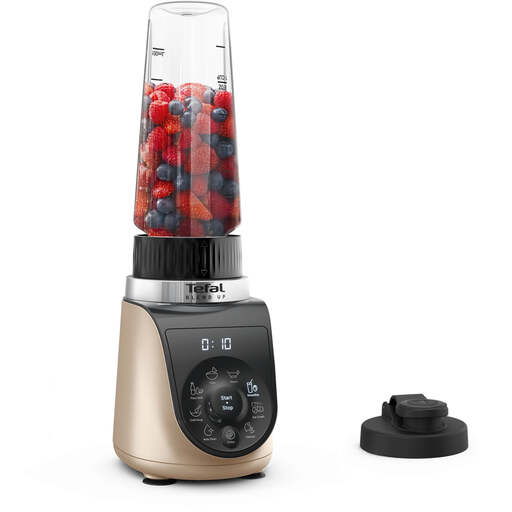 No image available
This personal blender may suit you if you want to make other small liquid preparations as well as herb oil; the product information mentions pesto and basil sauce, among other things.
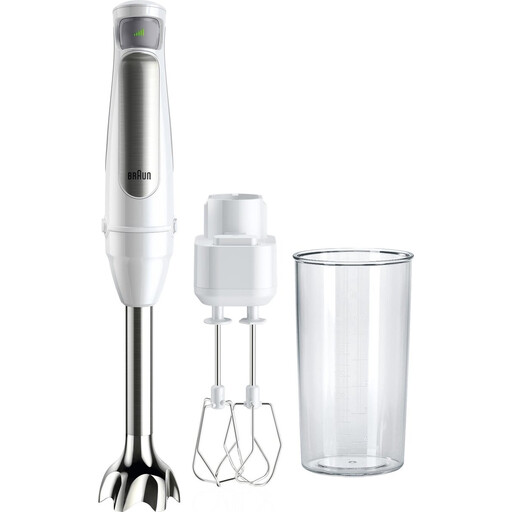 No image available
A stick blender with a measuring beaker is suited to puréeing in a separate container; check which accessories are included with each version.
 No image available
This set is designed for puréeing in a measuring beaker, as well as chopping ingredients.
The product name lists up to 1200W, 15000rpm, a 700ml beaker and a 500ml chopper.
Use the blender for no more than one minute at a time, then let it rest for one minute.
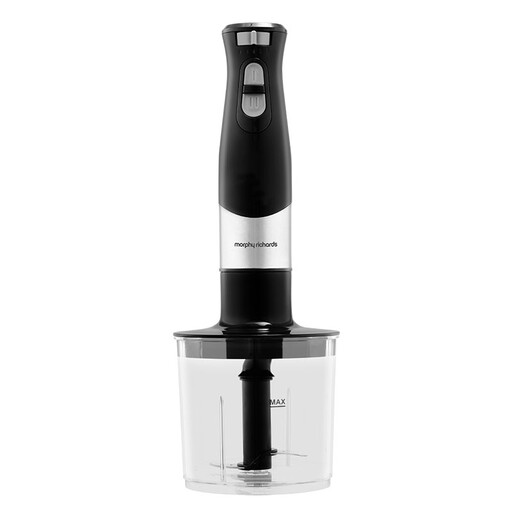 No image available
This stick blender set may suit you if you want to chop ingredients as well as purée them in a measuring beaker.
The product name lists 600W, a 700ml measuring beaker, a whisk and a chopping bowl.
No, you don’t need a chopper to purée herb oil. A Dutch recipe from Albert Heijn Allerhande recommends a blender or a stick blender with a tall beaker. A chopper is an extra option for finely chopping ingredients such as herbs, onions and nuts separately.
It depends on the minimum working quantity for the exact model. Consumentenbond identifies small portions as a limitation of jug blenders, so check whether the blades will reach your portion. Don’t judge this by the jug’s maximum capacity alone.
The Netherlands Nutrition Centre warns of a botulism risk with homemade herb oil, particularly if it’s stored outside the fridge for extended periods. Make a suitable amount for your meal and don’t assume that a storage time given in another recipe applies to yours.
According to Consumentenbond’s usage tips, place the blending foot in the bowl before switching the appliance on. Unplug it after use and remove the attachments; check the manual to see whether each part is dishwasher-safe.
When you buy as a consumer, a product must meet reasonable expectations; if it’s faulty, the retailer must provide a solution. According to the Dutch government, there is no fixed two-year statutory warranty period in the Netherlands; any manufacturer’s guarantee is separate from your statutory rights.