
Vandaag of morgen in huis

Kwaliteit gegarandeerd

Welkomstaanbiedingen ontgrendelen: GRATIS bezorging | Tot 80% korting | Gratis 30 dagen JoyPlus-proefperiode
Download de app
Buying a blender seems simple, until you have to choose between a smoothie blender, a high-powered blender, a personal blender or a hand blender. Marketing often focuses on wattage, speed or a long list of accessories. But one impressive number doesn’t automatically tell you whether an appliance is right for your recipes.
The most common buying mistakes come down to three pitfalls:
As well as the total capacity, check the usable capacity. A blender with a 1.5-litre jug is more practical for making several portions, while a personal blender is best suited to a single smoothie or shake.
A smoothie blender with a drinking cup saves time if you want to drink straight from the same cup. Check that the lid seals securely and that the material is BPA-free. For families, a jug of around 1.5 litres may be more useful than several small cups.
A high-powered blender isn’t simply an appliance with a high wattage. Also consider:
A 600-watt appliance may be powerful enough for soft vegetables, fruit and shakes. If you regularly make thick mixtures or larger quantities, a 900 to 1,200-watt model may be a better choice. Always follow the limits in the instruction manual. Some models, for example, should not run for more than one minute at a time.
A blender with a glass jug feels sturdy and is often suitable for both hot and cold preparations, but glass is heavier and can break. Always check the temperature limit. A model designed for cold ingredients only must not be used for boiling-hot soup.
If you make smoothies, sauces or baby food every day, dishwasher-safe parts can make life easier. Check exactly which parts are dishwasher-safe: on many models, this doesn’t include the motor base or blades. A removable blade unit or automatic cleaning setting can also make maintenance easier.
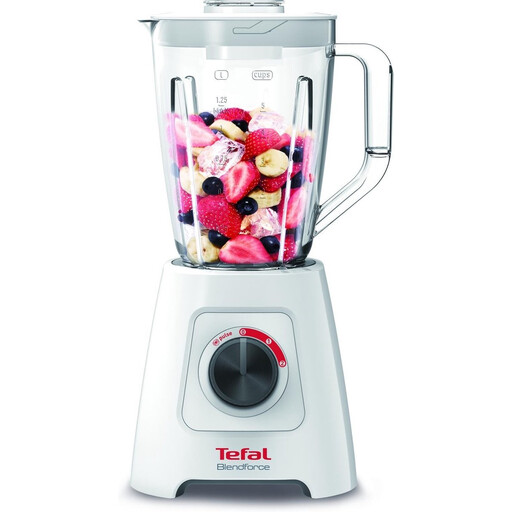
Why it suits this profile: The 1.25-litre capacity is ideal for everyday smoothies, sauces and smaller family portions, without features you may not use.
The specifications state a maximum blending time of three minutes and mention a removable, split blade holder for cleaning. Check the instruction manual before preparing hot ingredients.
600 watts, 1.25-litre capacity, rotary dial, Smart Lock and stable suction feet.

Why it suits this profile: This model combines a usable capacity of 1.5 litres with 1,200 watts, several programmes and a glass jug, making it a good choice if you prepare a variety of recipes.
The product description mentions a heat-resistant glass jug, a pulse function and an automatic cleaning setting. Check the temperature limit before blending hot liquids.
1,200 watts, 1.5-litre working capacity, glass jug, touchscreen, pulse function and ice-crushing programme.
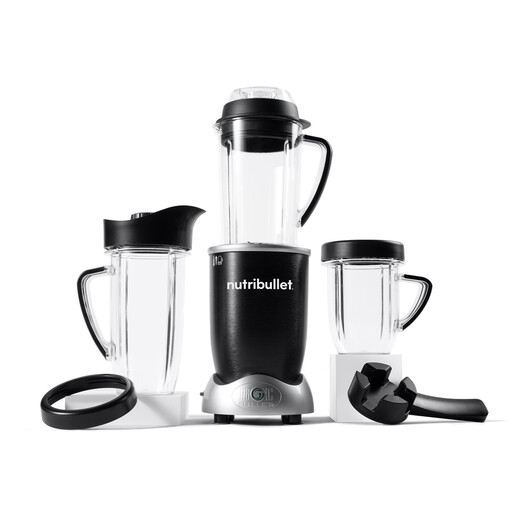
Why it suits this profile: With 1,700 watts, a 1.3-litre jug and a soup programme, this model is well suited to those who regularly make thick mixtures and hot dishes.
The product information mentions a vented lid for hot ingredients and a separate soup programme. Use only the jug supplied and follow the safety instructions.
1,700 watts, 30,000 revolutions per minute, soup function, heat-resistant cups and dishwasher-safe accessories.

Why it suits this profile: This mini blender is designed for single portions and has a rechargeable battery, USB-C connection and drinking lid, making it ideal for the office, gym or on the go.
Its limited capacity makes it clear that this isn’t a family blender. The cordless design means you don’t need a socket to make a single smoothie.
475 ml capacity, 17,000 revolutions per minute, USB-C charging, portable design and BPA-free Tritan.
We’ve put together a complete, up-to-date list of products that meet these strict selection criteria and current European safety regulations.
A hand blender is handy if you want to purée food straight in a pan. You won’t need a separate jug, and it’s usually easier to store. Look for a splash-proof blending foot, speed control and accessories such as a whisk or chopper. For large quantities of smoothies, a countertop blender is usually more practical.
A cordless blender offers portability, but has limited capacity and battery life. For everyday use at home, a corded model can deliver more consistent power.
For one person, a personal blender with a capacity of around 475 to 700 ml is often enough. For several people, a jug with around 1.5 litres of usable capacity is more practical. Check that the blades are suitable for frozen fruit and that the running time is right for your recipe.
No. Only use it for hot liquids if the manufacturer explicitly says it’s suitable. A sealed cup can build up pressure. Ideally, choose a blender with a suitable vented lid and follow the temperature and filling instructions in the manual.
Its lifespan depends on how often you use it, how you clean it and how hard you work it. Don’t run the motor for longer than recommended, avoid overfilling cups and clean the blades straight after use. A minimum two-year guarantee is in addition to your statutory consumer rights; check the terms and conditions for each product.
