For cold tomato soup for a crowd, a standard jug blender is a good choice if its maximum fill level suits your recipe; you won’t need a heating function. Also compare how you can achieve the smooth texture you want and which parts are easy to clean. Extra power mainly matters if you regularly blend hard or frozen ingredients too, and the jug’s total capacity isn’t necessarily its usable capacity.
Who is this advice for?
Cooking for a crowd
You want to make enough cold soup for everyone in as few batches as possible. So compare the maximum fill level with your recipe, rather than looking only at the jug’s total capacity. The Consumentenbond recommends considering capacity and intended use when choosing a blender; the Voedingscentrum explains how to purée tomatoes for gazpacho.
Fans of smooth soup
You want to purée tomatoes and other vegetables until smooth, so look at the controls and purée settings as well as the motor power. The Voedingscentrum includes puréeing as a preparation step for gazpacho, while the Consumentenbond tests blenders on their ability to purée vegetables.
Practical home cooks
After cooking for several people, you’ll want to know how much cleaning there is to do. The Consumentenbond recommends checking the instructions for each removable part before putting it in the dishwasher.
What should you look for when buying?
First, compare the maximum fill level with your recipe and the number of people you’re cooking for. Then consider the texture you want and how easy it is to clean. Only pay extra for features if you’ll use them for other recipes too.
| What matters |
What to look for |
Who is this important to? |
| Enough soup in each batch |
Compare the fill markings and instructions with the quantity in your recipe. Don’t assume the jug’s total capacity is its usable capacity. |
When I make soup for a crowd, I want to know whether the fill level lets me make enough in one go. Around 36% of consumers prioritise making enough soup in each batch. |
| The smooth texture you want |
Look at the purée controls, such as a pulse setting, and follow the guidance on ingredients and maximum fill levels. |
When I want to purée tomatoes and other vegetables until smooth, I look for controls that let me adjust the texture. Around 29% of consumers prioritise achieving a smooth texture. |
| Cleaning after use |
Check the instructions for each part, such as the jug, lid and blade, to see how to remove and clean it. |
When I want to avoid washing up by hand after a meal, I check which parts are dishwasher-safe. Around 21% of consumers prioritise keeping cleaning to a minimum. |
| Extra features and cost |
Decide whether you’ll also be blending ice or frozen ingredients before factoring in extra power or features. |
When I mainly use a blender for cold tomato soup, I don’t want to pay for features I don’t need. Around 14% of consumers weigh up extra uses against the cost. |
Common buying mistakes
-
Confusing the jug’s total capacity with its usable capacity
The amount you can actually blend at a time determines whether you’ll make your soup in one batch or several. For example, Tefal lists a replacement jug with a total capacity of 2 litres, of which 1.25 litres is usable.
Compare the quantity in your recipe with the fill markings and instructions for the exact model.
-
Assuming you need high power or a heating function
A heating function isn’t essential for cold tomato soup. The Consumentenbond describes high-performance blenders as being suited to heavier tasks and notes that they cost more than lower-powered blenders.
Start by choosing a blender based on portions and the texture you want. Only consider extra features if you’ll use them for other ingredients or recipes too.
-
Assuming one dishwasher-safe part means the whole blender is dishwasher-safe
Cleaning instructions can vary from one part to another, including the jug, lid and blade unit.
Before buying, read the cleaning instructions for the exact model and check each removable part separately.
Parts that aren’t dishwasher-safe will need to be washed by hand after use.
Brands to compare
The features listed below apply to the specific models shown; they aren’t a verdict on the brand as a whole.
Bosch
Bosch lists a 1.5-litre glass jug for the VitaPower MMB6172S.
- The manufacturer says that the parts are dishwasher-safe.
- The jug’s total capacity doesn’t tell you how much soup you can blend at a time according to the fill markings; check that it suits your recipe.
Tefal
Tefal lists a plastic jug with a total capacity of 2 litres for the Blendforce II BL420838.
- Tefal describes a compatible replacement jug as having a usable capacity of up to 1.25 litres.
- Total and usable capacity aren’t the same; check which model and fill level apply to the one you’re buying.
Braun
Braun lists an 800-watt motor and a ThermoResist glass jug for the PowerBlend 3 JB3150BK.
- The manufacturer also lists cleaning as a feature of this model.
- These details apply to the model mentioned; check the specifications and instructions for the version you’re considering.
nutribullet
nutribullet describes the Combo NBF500MB as a set that includes a large jug and cups for individual portions.
- The extra cups may be useful if you want to make individual portions as well as soup.
- Check the jug’s usable capacity and whether the accessories are included with the exact model.
Blenders at Joybuy
These jug blenders are designed for puréeing. Compare the stated jug capacity with the usable fill level, and check the instructions to see which parts you can clean.
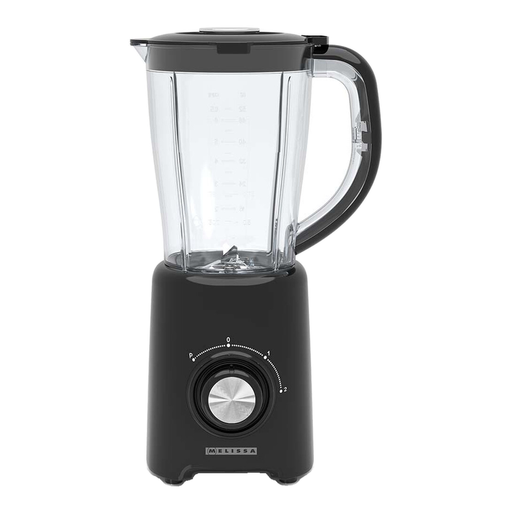 Image unavailable
MELISSA Blender 800 W, 1.5 L plastic jug
A jug blender for anyone who wants to purée cold soup and is looking for a 1.5-litre jug.
The product information lists 800 W, two speeds, a pulse function and four stainless steel blades. The jug is described as dishwasher-safe.
View at Joybuy
 Image unavailable
3-in-1 Multifunction Blender 800 W, 1,500 ml jug, 600 ml bottle and 300 ml chopper cup
An option if you’d like to use a bottle or chopper cup as well as making soup.
The product information lists a 1,500 ml glass jug, six stainless steel blades and a pulse function. The parts are described as dishwasher-safe.
View at Joybuy
 Image unavailable
Tefal PerfectMix+ BL871A, 1.5 L, 1200 W
A jug blender for anyone who wants to consider usable capacity and cleaning after use.
The product information lists a usable capacity of 1.5 litres, variable speed control and a pulse function. It also mentions an Auto-Clean programme and a dishwasher-safe glass jug.
View at Joybuy
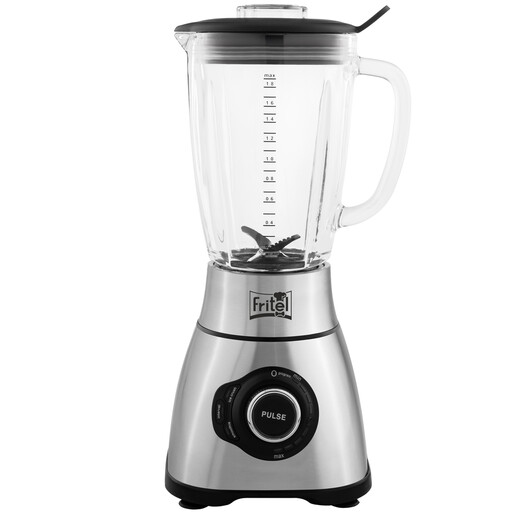 Image unavailable
Fritel BL 3890 High Speed Blender, 1.8 L, 1800 W
The product description lists soup and vegetable purée among the uses for this blender.
The glass jug has a capacity of 1.8 litres. Features listed include nine speeds, Ice Crush and Interval; the blade set is removable and the parts are described as dishwasher-safe.
View at Joybuy
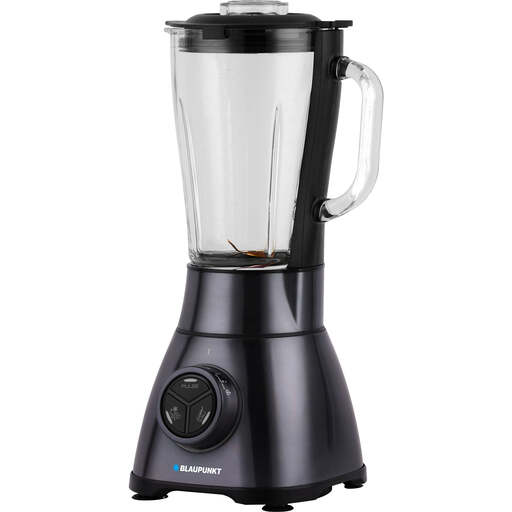 Image unavailable
BLAUPUNKT TBG801 countertop blender, 1.5 L, glass jug, black
A jug blender for anyone who wants to purée soup and adjust the speed while blending.
The product information lists a 1.5-litre glass jug, stepless speed control and a pulse function. It also mentions a tamper and a Blend&Go bottle.
View at Joybuy
Frequently asked questions
How large should the jug be for our evening meal?
Work out how much soup your recipe will make, then compare it with the blender’s maximum fill level. The jug’s total capacity isn’t necessarily its usable capacity: for example, Tefal lists a replacement jug with a total capacity of 2 litres and a usable capacity of 1.25 litres. Alternatively, you can make the soup in several batches.
Does a blender need to heat cold soup?
No, heating isn’t essential for cold tomato soup. The Voedingscentrum recipe says to chill the puréed soup in the fridge for at least an hour; a heating function is a separate feature for other recipes.
How do I clean the blender after use?
Check the instructions to see whether each removable part is dishwasher-safe. The Consumentenbond recommends wiping the housing with a damp cloth and drying the jug thoroughly after washing.
How long can I keep leftover soup?
According to the Voedingscentrum, you can keep leftovers in the fridge for up to two days after preparing them. Refrigerate them within two hours in clean, airtight containers and set your fridge to 4 °C.
What product safety rule applies to blenders in the Netherlands?
CE marking is compulsory for electrical blenders placed on the Dutch market as consumer electrical products, according to the NVWA. Check the marking on the specific model; it isn’t a test score for how well the blender purées.


