
Fans of iced frappés
If you want a cold drink made with crushed ice, check the ice-use instructions for the exact model. The Consumentenbond stresses that not every blender can crush ice cubes.


For an iced coffee frappé, a blender is a suitable choice only if the instructions for the exact model say it can be used that way; the Consumentenbond points out that not every blender can crush ice cubes. A rechargeable blender is handy if you don’t want to be tied to a plug socket, while a corded model works well at the kitchen counter. Also compare the serving size, cleaning requirements and any limitations on using ice.
If you want a cold drink made with crushed ice, check the ice-use instructions for the exact model. The Consumentenbond stresses that not every blender can crush ice cubes.
If you’re looking for a machine for small servings that takes up little worktop and storage space, also check how its parts need to be cleaned after use.
If you’d like to blend somewhere in your holiday cottage without access to a plug socket, a rechargeable model could be a good fit. Bear in mind that it needs charging and has its own usage limits.
Start by considering whether you’ll be using ice and where you want to blend. Then choose a capacity and cleaning routine to suit the number of drinks you want to make at once.
| What to consider | What should you look for? | Who is this most important for? |
|---|---|---|
| Blending ice | Check the instructions for the exact model, including the permitted amount of ice. Wattage alone doesn’t tell you whether it’s suitable for ice cubes. | If I want to make an iced frappé, getting the texture right comes first; around 36% of consumers say ice-crushing ability is their top priority. |
| Space and serving size | Compare the dimensions and usable jug capacity with your storage space and the number of servings you want to make at once. | In a small kitchen, I want a blender that fits away easily and makes the right amount each time; around 29% of consumers prioritise space and serving size. |
| Blending without a plug socket | Check the charging connection and follow the model-specific guidance on charging and blending cycles. | If I want to blend away from a plug socket, freedom of movement matters; around 21% of consumers make cordless use their top priority. |
| Cleaning | Check which parts are removable and dishwasher-safe. Follow the model’s cleaning instructions for the motor unit. | After making coffee with milk, I want the jug and removable parts to be easy to clean; around 14% of consumers prioritise ease of cleaning. |
Wattage on its own doesn’t predict how well a blender will process ingredients. And, as the Consumentenbond points out, not every blender can crush ice cubes.
Check the ice-use instructions for the exact model and the amount you want to use.
A rechargeable battery needs charging, and some models have limits on using ice. For the nutribullet Portable, the manufacturer says to use small amounts of ice.
Match the amount of ice and charging time to the instructions for the model you choose.
If the cup is designed for one drink, you may need to blend several batches when making frappés for a group.
Compare the cup’s capacity with the number of servings you want to prepare at once.
The Netherlands Food and Consumer Product Safety Authority states that CE marking is compulsory for electrical products. Parts that come into contact with coffee, milk or other ingredients must meet Dutch and European requirements for materials that come into contact with food.
Before buying, check the product information and documentation for the version you’re considering.
The nutribullet Portable NBP003NBL is a rechargeable personal blender with a 475 ml cup.
The VitaPower Serie 2 MMB2111S is a corded mini blender with a 0.6 l to-go cup.
The 3000 Series HR2510/90 is a compact blender with a jug for use on the kitchen counter.
The Blend Up BL19H4F0 comes with two bottles for taking drinks on the go.
This selection includes compact corded blenders and rechargeable models for making a coffee frappé in a holiday cottage. If you’re using ice, always check the instructions and limitations for the exact version.
 No image available
Suitable for blending at the kitchen counter; the product description recommends speed 2 for hard ingredients and ice.
The removable parts are dishwasher-safe. The cord is 85 cm long; designed for indoor domestic use.
 No image available
Suitable for a drink to take with you; the product description mentions a drinking lid and ice-crushing ability.
The cup has a capacity of 500 ml. A 230V connection is required for use; the removable parts are dishwasher-safe.
 No image available
Suitable for a portable serving when you don’t want to rely on a plug socket; the product information lists ice as a possible ingredient.
Rechargeable battery and USB-C charging. The removable parts can be rinsed. Do not use for hot liquids.
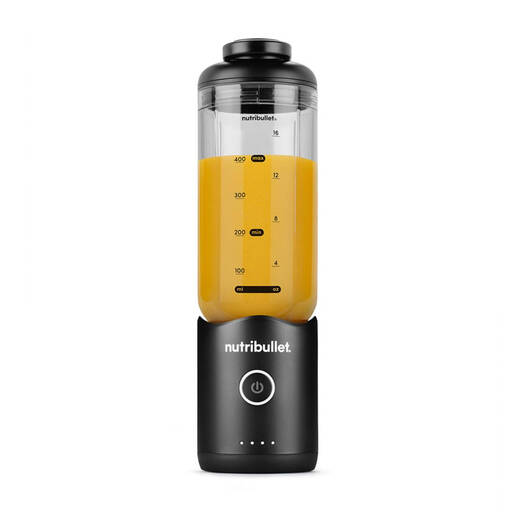 No image available
Suitable for a portable serving without a cord; the product description says it can crush ice and process frozen ingredients.
Rechargeable battery, USB-C charging and removable blade assembly. Do not use for hot liquids.
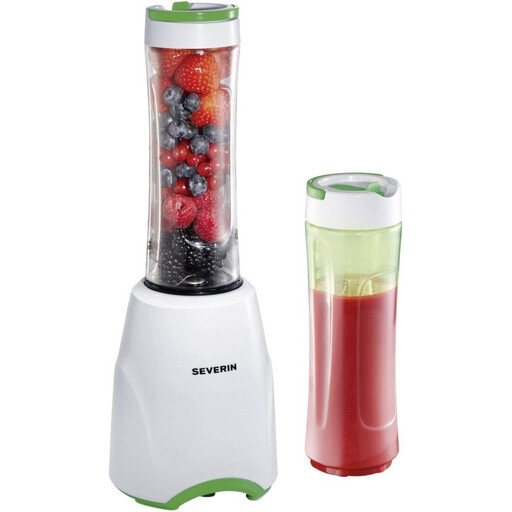 No image available
Suitable for corded blending and taking your drink with you in a drinking cup; the product description says the appliance can crush ice.
The description lists two drinking cups, 300 W of power and dishwasher-safe parts. Not suitable for children under 8; children aged 8 and over may use it only under supervision.
No. According to the Consumentenbond, not every blender can crush ice cubes. Check the instructions for the exact model and the permitted amount; nutribullet says the Portable NBP003NBL can process small amounts of ice.
For a corded model, check that you have a suitable plug socket and enough worktop space, or charge a rechargeable model. Follow the instructions for the exact version when using ice and cleaning the blender.
The Netherlands Nutrition Centre (Voedingscentrum) advises keeping your fridge at 4 °C and not leaving highly perishable food and drink, including milk, out of the fridge for more than two hours.
In the Netherlands, statutory warranty rights apply alongside any manufacturer’s warranty. According to ACM ConsuWijzer, the seller must put a faulty product that has been used normally right at no cost, for example by repairing or replacing it, or refunding you. There is no single fixed reasonable lifespan for a blender.
The Netherlands Food and Consumer Product Safety Authority states that CE marking is compulsory for electrical products, and that items intended to come into contact with food must meet Dutch and European requirements. Check the information and documentation for the specific version.