
Vandaag of morgen in huis

Kwaliteit gegarandeerd

Welkomstaanbiedingen ontgrendelen: GRATIS bezorging | Tot 80% korting | Gratis 30 dagen JoyPlus-proefperiode
Download de app
Buying a blender seems simple, until you have to choose between a smoothie blender, powerful countertop blender, personal blender or portable blender. Marketing copy often focuses on wattage, high speeds and extra programmes. However, these figures do not tell you everything about day-to-day use.
The right choice mainly depends on three questions: what do you want to blend, how many people are you blending for and how often do you want to clean it? The points below will help you avoid paying for features you will hardly use.
A 1000-watt blender sounds powerful, but wattage is not a complete indication of blending performance. The shape of the jug, blade design, amount of liquid and the way the appliance cools also play a part. A compact 600-watt personal blender may be suitable for soft vegetables and fruit, while a larger blender with similar power will not automatically produce the same texture.
Use wattage as just one part of your comparison. Also look at the capacity, speed settings, pulse function and recommended uses.
A 1.5-litre jug is not always suitable for processing 1.5 litres of ingredients at once. With foamy smoothies, hot preparations or ingredients that move upwards, you need to stay below the maximum fill line. So check the instructions and the markings on the jug.
For one person, 500 to 700 ml can be practical. Families will generally benefit more from a 1.2 to 2-litre jug, depending on the space available on the worktop.
With a dishwasher-safe blender, usually only the detachable parts are suitable for the dishwasher. The motor base must not be submerged. The blades may also be excluded, depending on the product specifications.
So check exactly which parts are dishwasher-safe. A removable blade unit, wide opening and smooth jug will often save more time than an additional automatic programme.
For smoothies and shakes made with soft fruit, a lower wattage is often sufficient. If you regularly want to process frozen fruit, nuts, hard vegetables or ice, it is better to look for a powerful blender with a suitable blade and cooling system.
A blender with an ice-crushing function or pulse function is useful for short, powerful blending bursts. Do not assume that every model with an ice function is suitable for crushing ice for long periods or very frequently. Always follow the manufacturer's maximum operating time and filling instructions.
A blender with a glass jug feels sturdy and generally absorbs fewer odours. Glass is heavier, however, and can break if knocked hard. Plastic and Tritan are lighter and more convenient for everyday use or taking with you. Check whether the material is BPA-free according to the product information and whether the jug is suitable for hot ingredients.
Take extra care when choosing a blender for soup and sauces. Not every blender is suitable for hot liquids. Some personal blenders explicitly state that hot ingredients must not be used. A heat-resistant jug and ventilated lid are then relevant specifications, but you should still follow the instructions.
Two speeds with a pulse function are easy to use for many recipes. Models with automatic programmes can be convenient if you often make the same preparations. However, having more settings does not automatically mean better results.
Also look for:
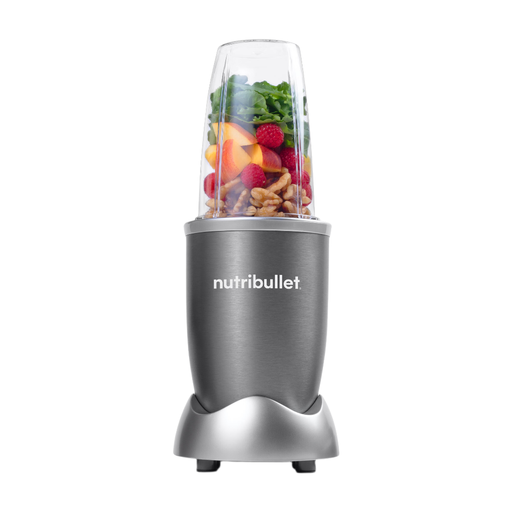
Why it suits this profile: This compact set is designed for smoothies and shakes for one or a few people. The included cups can also be used when you are out and about.
The product information specifies 600 watts, a 700 ml capacity and dishwasher-safe detachable parts, making the choice straightforward.
600 watts, 700 ml capacity, portable cups and simple operation without extensive settings.

Why it suits this profile: This countertop model combines a glass jug, automatic programmes and manual speed control for households that prepare a variety of recipes.
The stated usable capacity is 1.5 litres, and the glass jug is described as suitable for both hot and cold preparations.
1200 watts, glass jug, pulse function, three automatic programmes and an Auto-Clean programme.
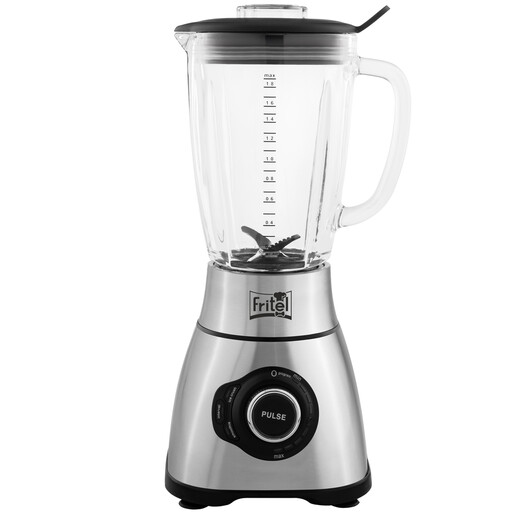
Why it suits this profile: The large glass jug and programmes for smoothies, interval use and ice crushing are well suited to larger portions and regular use.
The product details specify a 1.8-litre capacity, pulse function, removable blade unit, and dishwasher-safe jug and lid.
1.8-litre glass jug, three preset programmes, pulse function and automatic switch-off.
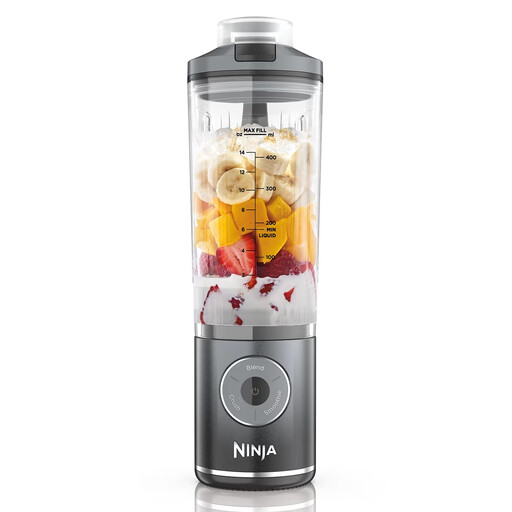
Why it suits this profile: The cordless operation, USB-rechargeable battery and leak-proof lids are practical for sport, work or travel.
The compact size makes the limited capacity clear: you choose this model for personal portions, not family-sized quantities.
150 watts, two 530 ml Tritan cups, USB charging, one-button operation and dishwasher-safe parts.
We have compiled a complete, up-to-date list of products that fully meet these strict selection criteria and the applicable European safety regulations.
For soft ingredients, a compact model with around 350 to 600 watts may be sufficient. For frozen fruit, nuts and ice, a more powerful model with suitable blades and a pulse function is more practical. Do not look only at wattage; also consider the permitted ingredients and operating time.
No. Check whether the manufacturer permits hot liquids. Some personal blenders are intended exclusively for cold preparations. For soup and sauces, you need a jug that the product information confirms is suitable for hot ingredients, as well as a lid that can safely release pressure.
Its lifespan depends on how often it is used, cleaning and overloading. Do not run the motor for longer than stated in the instructions, use enough liquid and do not process ingredients above the maximum fill line. Before buying, also check the statutory guarantee and any additional manufacturer's warranty.
