
Vandaag of morgen in huis

Kwaliteit gegarandeerd

Welkomstaanbiedingen ontgrendelen: GRATIS bezorging | Tot 80% korting | Gratis 30 dagen JoyPlus-proefperiode
Download de app
A blender can be handy for smoothies, shakes, sauces, soups and quick meal preparation. However, not every model is suited to the same task. A portable blender for on the go works differently from a powerful blender for hard ingredients. Likewise, a hand blender – also called a stick blender – comes with different expectations than a personal blender with a cup.
Most buying mistakes arise from three common pitfalls:
The stated power across the range varies from around 150 W for a cordless blender to 1,000 W for a stick blender. A higher wattage can be useful for hard ingredients, nuts or ice, but always check the maximum running time and the manufacturer’s instructions.
For smoothies made with soft fruit and liquid, a mini blender or smoothie maker with lower power may be sufficient. If you also want to prepare sauces, pesto, dips or thicker mixtures, you’ll benefit from multiple speeds, a pulse function or a more powerful model.
Also pay attention to the difference between watts (W) and revolutions per minute (rpm) . Watts indicate the electrical power; rpm describes the rotation speed. These figures cannot be directly compared.
Think about the quantity you make each time:
A BPA-free blender, according to the product information, uses a cup without BPA in the relevant plastic material. Also check whether the cup is suitable for transport, whether measurement markings are present, and whether a drinking lid is included. Tritan is used in various models as a sturdy, lightweight material; always check the product specifications of the model you choose.
A blender with a cup is not automatically suitable for hot liquids. Steam can build up pressure in sealed cups. Always follow the temperature limit stated in the manual.
A removable blade assembly and dishwasher-safe parts save time. The motor base, plug and USB connection must not be placed in water or the dishwasher. With a cordless blender, it’s important to use only the supplied or compatible USB cable and adapter.
Check before you buy:
Running a powerful blender for longer than recommended can cause overheating. A short pause between blending cycles helps you follow the usage instructions and avoid unnecessary strain on the motor.
The following choices are linked to verifiable specifications and different usage scenarios. Brand information about performance is presented here as product information from the manufacturer or seller, not as an independently established result.
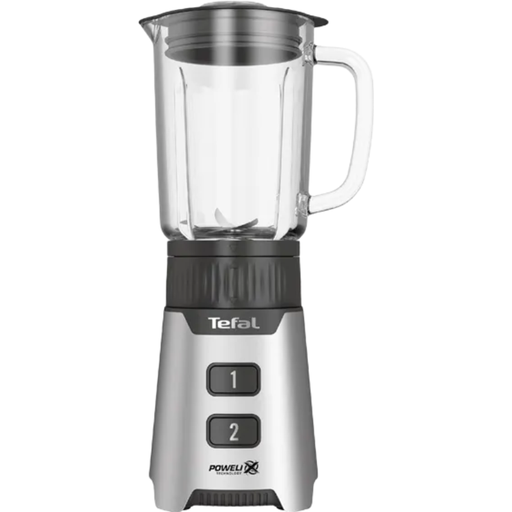
Why this fits the profile: This compact smoothie blender combines 400 W of power with two speeds and an included drinking bottle. That’s practical for everyday use in a smaller kitchen.
The specifications list both the total jug capacity of 1 litre and a usable capacity of 0.7 litres. This makes the difference between the two measurements clearer.
400 W, two speeds, removable blades, dishwasher-safe parts and a Tritan travel bottle of 0.81 litres according to the product information.
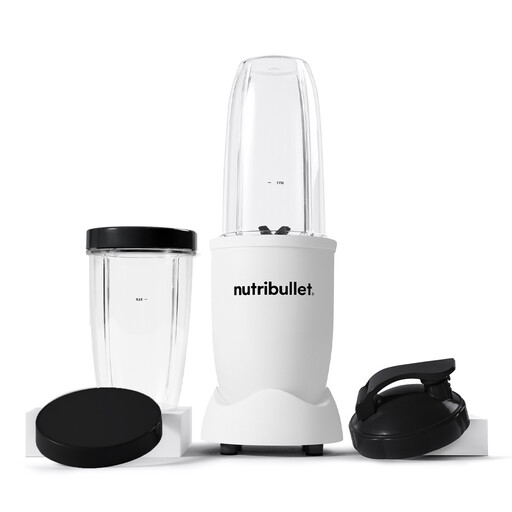
Why this fits the profile: For households looking for a compact blender for smoothies, shakes, sauces and dips, this model offers 900 W and two 900 ml cups.
The product information states the recommended blending time of a maximum of one minute per cycle. This prevents a high wattage from being mistaken for unlimited running time.
900 W, 22,000 rpm according to the product specifications, two 900 ml cups and BPA-free Tritan material.
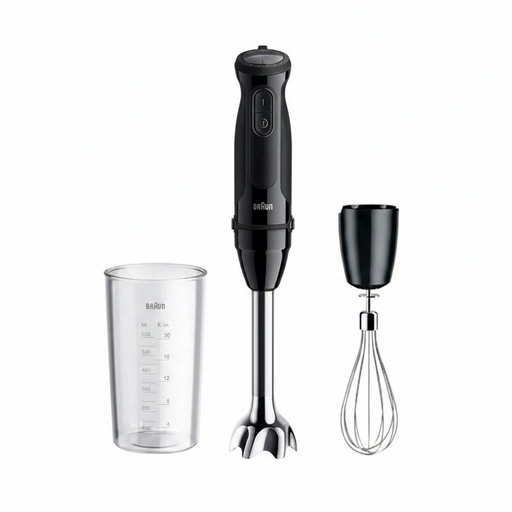
Why this fits the profile: This stick blender is aimed at users who want to whisk or chop as well as purée. The included accessories make it suitable for a variety of preparations.
Instead of only showing a high power rating, the model lists 21 speeds and a system for changing accessories. This allows you to tailor the preparation more precisely.
1,000 W, 21 speeds, whisk and chopper accessory, and dishwasher-safe parts according to the product description.
We’ve put together a full, up-to-date list of products that fully meet these strict selection criteria and comply with current European safety regulations.
Choose a personal blender if you mainly make single portions of smoothies or shakes and want to drink straight from the cup. A portable blender or cordless blender is suitable for the office, gym or travel, but check the battery life, capacity and charging time.
A hand blender is more versatile for soup, sauce, purée and batter, because you work directly in a bowl or pan. For hot preparations, pay attention to the temperature limit and prevent splashing by fully submerging the blender shaft before switching the appliance on.
For soft ingredients and simple smoothies, 300 to 400 W may be sufficient. For harder ingredients, thicker mixtures or more intensive use, 600 to 1,000 W offers more scope. Always also look at the blade construction, speeds and maximum running time.
The power consumption depends on the wattage and the duration of use. An appliance running at 600 W for one minute uses approximately 0.01 kWh. The difference on your energy bill per preparation is usually small; the purchase price, cleaning and suitability for your recipes often carry more weight.
The lifespan depends on usage, maintenance, overloading and the quality of the cup and blades. Follow the recommended blending time, let the motor cool down when necessary and replace damaged parts. In the UK, statutory conformity rights apply to consumer purchases; in addition, many manufacturers state a warranty period of two years.
