
Vandaag of morgen in huis

Kwaliteit gegarandeerd

Welkomstaanbiedingen ontgrendelen: GRATIS bezorging | Tot 80% korting | Gratis 30 dagen JoyPlus-proefperiode
Download de app
Buying a blender seems straightforward until you have to choose between a smoothie blender, hand blender, portable blender or a powerful model for the whole family. Marketing often focuses on wattage, speed or smart programmes. But those figures alone don’t determine how easy an appliance is to use. The jug capacity, blade type, cleaning and intended use are just as important.
Use this buying guide to compare blenders on practical points. It’ll help you avoid buying a compact personal blender for large portions, or a full-featured hand blender when all you want to do is make smoothies every day.
A higher wattage doesn’t automatically mean every blend will be smoother. The blade design, jug shape and amount of liquid all play a part too. A 300-watt blender may be suitable for soft fruit and shakes, while frozen ingredients or larger quantities may call for a more powerful model with a sturdy jug.
So always check the combination of power, capacity and permitted ingredients. A 600-watt rating also tells you nothing about energy use per blend; that depends on how long you use the appliance and how many cycles you run.
A portable blender or mini blender is handy for making a single portion on the go. Many personal blenders have a capacity of around 475 to 700 ml. That’s practical for a smoothie or shake, but less suitable for soup for several people.
If you mainly want to make family-sized portions, sauces or larger quantities, consider a blender with a jug of around 1.5 to 2.1 litres. For a cordless blender, also check the charging time, battery life and whether hot liquids are prohibited.
A blender with accessories may look appealing, but a whisk, chopper or masher takes up space. Think in advance about the tasks you’ll actually use it for:
Don’t just look at the wattage; check the speed settings and recommended operating time too. The Russell Hobbs Desire 3-in-1, for example, has 500 watts and two speeds. The ochama 4-in-1 hand blender offers 600 watts, two speeds, a whisk, chopper and blending beaker.
A powerful blender such as the Kenwood Triblade XL+ HBM60 is rated at 1000 watts in the product specifications and has a wider blending foot. This can be useful for larger quantities, but always check the manual for maximum operating time and rest periods. Some motors can only run for short cycles at a time.
Choose a capacity to suit the number of people you’re preparing food for and the space you have available. Common sizes include:
Also check the clearance beneath your kitchen cupboards. A tall jug may not fit easily on the worktop, while a compact smoothie blender is often easier to store.
Stainless steel blades are common in blenders and hand blenders. Check whether the blade is removable and which parts are dishwasher-safe. The motor base must never go in water or the dishwasher.
For use on the go, a leakproof drinking lid, a sturdy cup and an easy-to-clean blade assembly are important. For hot preparations, always check that the appliance is suitable. Portable blenders are generally not designed for hot or carbonated liquids.
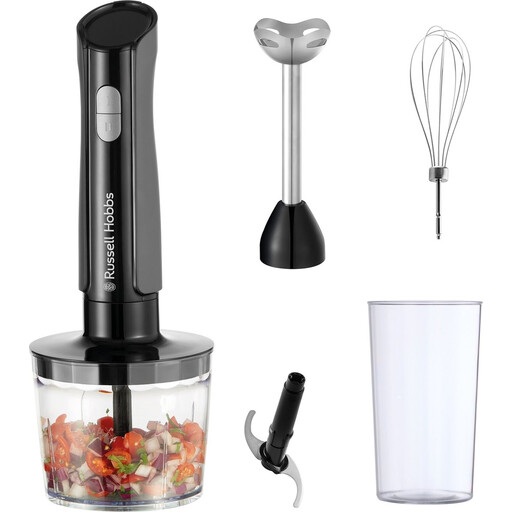
Why it suits this profile: This hand blender combines blending, chopping and whisking in one compact set for everyday use.
You’re not just paying for high wattage: the set includes a 500 ml chopper and a 600 ml blending beaker.
500 watts, two speeds and removable parts that are dishwasher-safe according to the product specifications.

Why it suits this profile: The large jug and range of programmes are ideal for households that regularly prepare several portions at once.
The choice is based on practical features: a 2.1-litre jug, 1200 watts and manual speed settings.
Large capacity, four automatic programmes and a separate 700 ml cup, according to the product information.
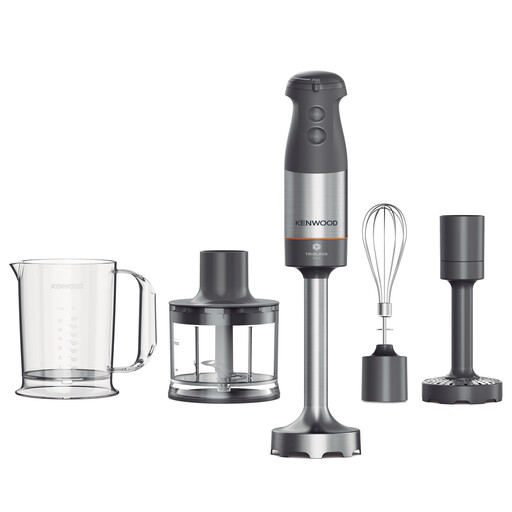
Why it suits this profile: The long blending foot and included accessories are designed for soups, purées, sauces and larger batches.
This set isn’t chosen for speed alone: the blending foot, whisk, mini chopper and masher each have a clear purpose.
1000 watts, an XL blending foot and dishwasher-safe accessories, according to the product description.
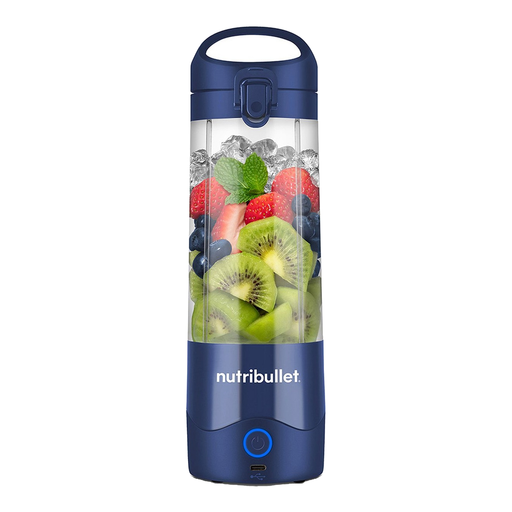
Why it suits this profile: This cordless model is made for a single portion on the go, whether you’re heading to the office, the gym or travelling.
Its limited capacity makes its purpose clear: this is a personal blender, not a replacement for a large kitchen blender.
475 ml capacity, USB charging, a carry handle and, according to the product information, more than 15 blends per charge.
We’ve put together a complete, up-to-date list of products that meet these strict selection criteria and the applicable European safety regulations.
For one or two portions, a smoothie blender or personal blender with a cup of around 475 to 700 ml is often enough. If you also want to prepare larger quantities, dips or iced drinks, consider a model with a larger jug and more power. Always check whether the manufacturer allows frozen ingredients or ice.
It depends on what you’re making. A hand blender is practical for soups, sauces and small quantities, as you can often blend straight in a pan or bowl. A kitchen blender or smoothie blender usually has a fixed jug and is better suited to drinks, larger portions and ingredients that need intensive blending.
Its lifespan depends on how you use and maintain it, and whether you follow the manual. Don’t run the motor for longer than recommended, don’t exceed the maximum fill level, and clean the parts straight after use. Check the warranty terms before you buy, too. In the EU, many electrical kitchen appliances come with a minimum two-year legal guarantee; additional manufacturer terms may vary by brand and product.
